
 En
 Español
 русский
 عربى

Children’s Adjustable Camouflage Inline Skates for Comfortable Outdoor Play
Date:Oct 21, 2026
Content
- 1 Introduction: A Better Starting Point for Young Skaters
- 2 Product Positioning and Core Design Concept
- 3 Growth-Adjustable Sizing: Extending Product Use
- 4 Comfort Through Soft, Breathable Construction
- 5 Secure Fit and Beginner-Friendly Control
- 6 Camouflage Design and Market Differentiation
- 7 Durability for Everyday Outdoor Use
- 8 Outdoor Applications and User Scenarios
- 9 Manufacturing Capabilities and Production Strengths
- 10 Quality Management and Certifications
- 11 Advantages for OEM and Wholesale Buyers
- 12 Comparison with Conventional Children’s Inline Skates
- 13 Packaging, Logistics, and Product Information
- 14 Responsible User Guidance
- 15 Q&A: Common Questions About the Product
- 15.1 Q1: What type of user is the BW-185 designed for?
- 15.2 Q2: What size ranges are available?
- 15.3 Q3: Why is adjustable sizing valuable for children?
- 15.4 Q4: Does the adjustable structure make the skate loose?
- 15.5 Q5: What makes the design different from minimalist children’s skates?
- 15.6 Q6: Is the upper comfortable for extended outdoor use?
- 15.7 Q7: Can the product be used for professional training?
- 15.8 Q8: Where can children use these skates?
- 15.9 Q9: What manufacturing capabilities support the product?
- 15.10 Q10: What certifications are associated with the company’s products?
- 15.11 Q11: Is OEM or private-label cooperation possible?
- 15.12 Q12: What should buyers confirm before ordering?
- 16 Why the Product Is Competitive
- 17 Conclusion
- 18 References
- 19 Product: BW-185 Children's Inline Skate
Introduction: A Better Starting Point for Young Skaters
Choosing inline skates for a child involves more than selecting an attractive color or the lowest available price. Children’s feet change quickly, their balance is still developing, and their confidence depends greatly on how secure and comfortable their equipment feels. A suitable pair of skates should provide a stable fit, reasonable protection against everyday wear, simple adjustment, breathable materials, and an enjoyable appearance that encourages children to use the product regularly.
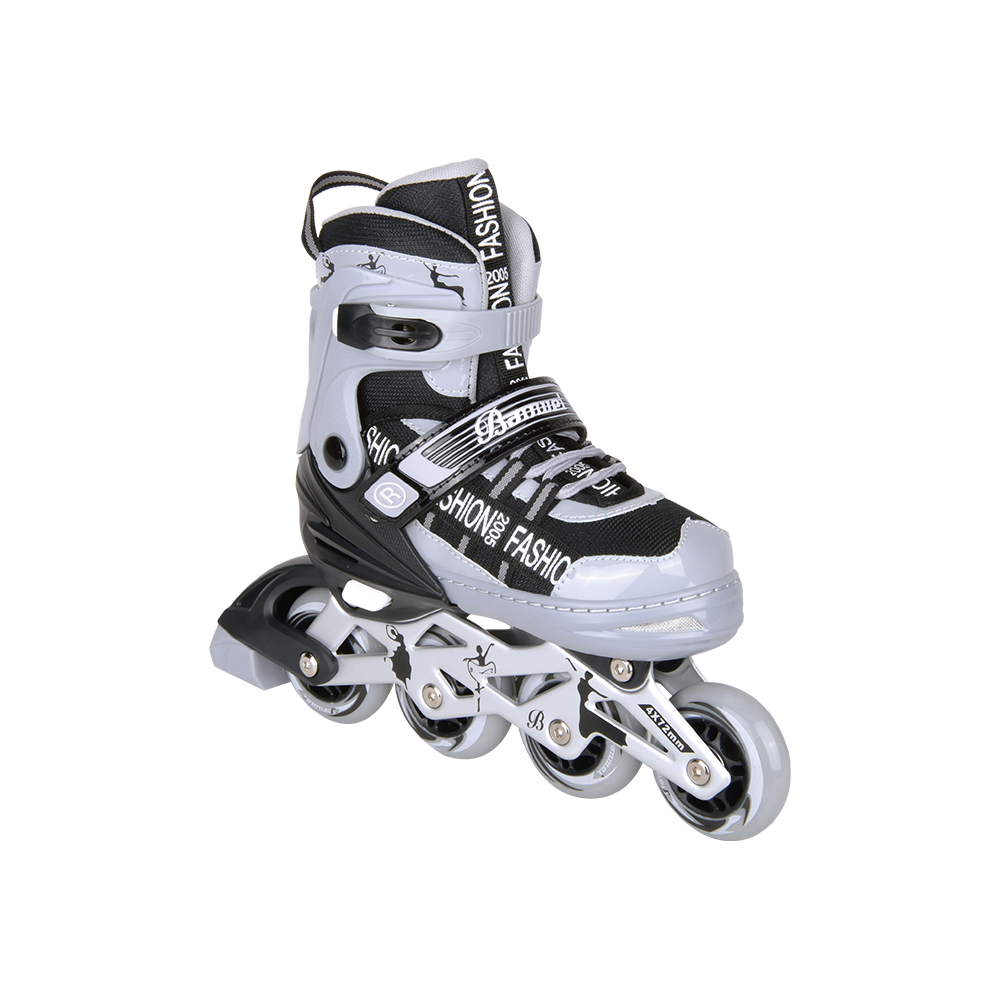
The BW-185 children’s inline skate is designed around these practical requirements. It combines a fashionable camouflage appearance with a growth-adjustable structure, soft upper materials, secure foot support, ventilation, and a construction intended for light outdoor recreation. Rather than being developed only for short-term use, the skate is designed to accommodate children through several stages of foot growth. This helps families reduce the need for frequent replacement while giving children a more consistent skating experience.
For importers, distributors, retailers, and private-label buyers, the product also represents a useful combination of market appeal and manufacturing practicality. Its adjustable sizing, recognizable visual identity, and broad application range make it suitable for children’s leisure skating, outdoor play, beginner practice, and recreational sports programs. Behind the finished product is an established production system that includes mold development, injection molding, sewing, assembly, quality management, and product research.
This article examines the product’s design, user benefits, competitive advantages, manufacturing strengths, quality considerations, and commercial potential. It also explains why a well-engineered children’s inline skate should be evaluated as a complete system rather than as a simple footwear item.
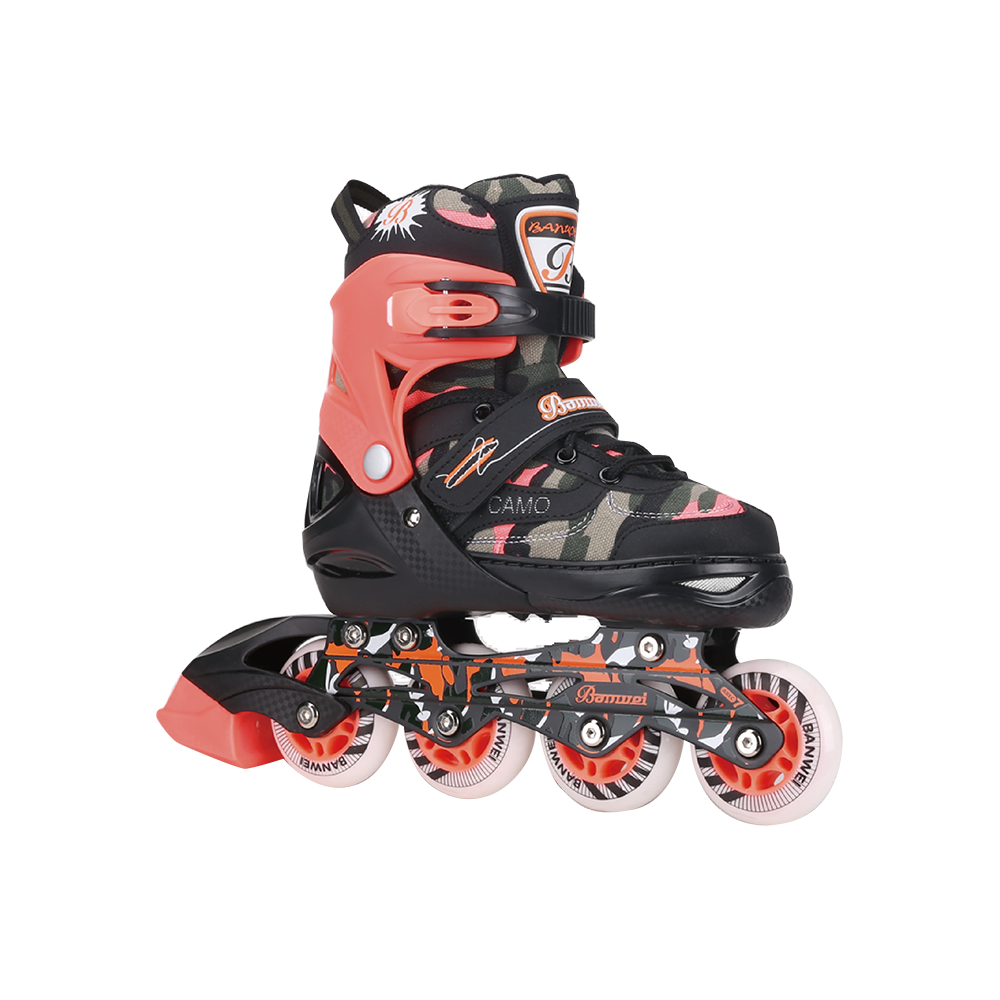
BW-185 Children's Inline Skate
Product Positioning and Core Design Concept
The BW-185 is positioned as a children’s inline skate for outdoor leisure, light exercise, and beginner-level recreational use. It is not intended to replace specialized high-performance racing equipment or professional training skates. Instead, it is designed for the everyday situations in which most children first encounter inline skating: parks, plazas, smooth paths, residential recreation areas, school activity spaces, and other flat outdoor surfaces.
This positioning is important because young users need an approachable product. Highly technical equipment may include advanced performance features, but it can also be heavier, more difficult to adjust, and less comfortable for casual use. The BW-185 focuses on practical control and ease of use. Children can put on the skates, adjust the fit, and gradually become familiar with the rhythm of skating without facing an unnecessarily complicated setup process.
The product’s three adjustable size ranges are designed to follow children’s growth. The available size groupings are 31–34, 35–38, and 39–42. This structure allows a retailer or distributor to offer a product that serves several stages of childhood foot development. For parents, the adjustable construction can improve purchasing value. For retailers, it can simplify inventory planning because one product style can cover multiple adjacent foot sizes.
The visual concept is another important part of the product’s positioning. Many children’s skates use plain solid colors or highly conventional combinations. The camouflage pattern offers a more energetic and distinctive alternative. It gives the skates a sporty appearance while helping them stand out on a retail shelf or in an online product catalog. For children, visual character can influence whether they feel excited about using sports equipment. A product that reflects their preferences is more likely to become part of regular outdoor play.
Main Product Characteristics
The product is built around several connected characteristics rather than one isolated feature:
• Three-stage adjustable sizing for growing children.
• A soft, skin-friendly upper that follows the shape of the foot.
• A snug structure designed to reduce unnecessary foot movement.
• Breathable construction intended to improve comfort during extended use.
• A fashionable camouflage design with strong visual identity.
• Durable fabric and structural components for ordinary outdoor conditions.
• Simple adjustment and operation for children and parents.
• Suitability for leisure skating, light exercise, and beginner practice.
These features work together. A breathable upper is more useful when the fit is secure. Adjustable sizing is more valuable when the internal structure remains comfortable across the adjustment range. A stylish exterior is more commercially effective when it is supported by reliable construction and practical function.
Growth-Adjustable Sizing: Extending Product Use
Children’s feet grow rapidly, which creates a common challenge for families purchasing sports footwear. A pair that fits correctly at the beginning of the season may become too small several months later. When the product is used only for a short period, parents may hesitate to invest in a higher-quality pair. Adjustable sizing addresses this concern by allowing the skate length to change as the child grows.
The BW-185 uses three size groups covering sizes 31–34, 35–38, and 39–42. The adjustment system is intended to provide a flexible fit within each range. This gives the child additional room for growth while maintaining support around the heel, ankle, and forefoot. Correct adjustment remains important: the skate should not be excessively loose, and the child’s foot should not be forced into a cramped position.
Compared with fixed-size children’s skates, an adjustable model can provide several advantages. First, it may remain usable for a longer period. Second, parents can purchase with greater confidence when the child is between standard sizes. Third, retailers can present the product as a value-oriented solution for families who expect continued growth. Fourth, distributors may be able to reduce the number of individual size SKUs required for a comparable sales volume.
Adjustability also supports shared household use in some situations, although the product should always be fitted carefully to the individual user. The most important objective is not simply to make the skate longer. It is to maintain a balanced relationship between the foot, the upper, the insole area, the frame, and the wheels. A well-designed adjustment system allows the skate to change size without compromising the child’s basic control.
How Proper Adjustment Supports Control
A child who is learning to skate needs predictable equipment. If the foot slides inside the skate, the child may need to use extra effort to maintain balance. Unnecessary movement can also reduce confidence and make turning or stopping more difficult. A snug but comfortable fit helps transfer the child’s movements more directly to the skate.
The BW-185’s form-fitting construction is intended to keep the foot and ankle positioned securely. When the upper follows the foot’s contours, the child can experience less internal shifting. This does not mean the skate should feel tight or restrictive. The intended fit is moderate: secure enough to limit wobbling, but comfortable enough to permit natural movement and accommodate normal foot development.
| Size Range | Intended Use | Adjustment Benefit | Typical Product Positioning |
|---|---|---|---|
| 31–34 | Smaller children and early-stage users | Allows continued use as the foot grows within the range | Beginner leisure skating |
| 35–38 | Growing children with developing skating skills | Supports changing foot length without immediate replacement | Outdoor recreation and light exercise |
| 39–42 | Larger children and older youth users | Provides a flexible fit for a broader growing stage | Recreational skating and regular outdoor play |
For commercial buyers, the size grouping is also useful for packaging and assortment planning. Each range can be marketed separately, while the overall product family maintains a consistent appearance. Retailers can use the size information in product listings, shelf labels, fitting guides, and customer service materials.
Comfort Through Soft, Breathable Construction
Comfort is a decisive factor in children’s sports equipment. If the interior feels rough, hot, stiff, or poorly shaped, the child may stop using the product regardless of its appearance. The BW-185 uses a soft upper material intended to feel skin-friendly and conform to the foot and ankle. This construction reduces the harsh, rigid sensation that can sometimes occur with low-quality recreational footwear.
The upper is designed to provide a close fit without excessive constriction. Its flexible structure follows the curves of the foot, helping distribute contact more evenly. This is particularly useful for children, whose feet are still developing and who may be more sensitive to pressure points. A comfortable upper can also make the process of putting on and removing the skates easier for parents and children.
Breathability is another key element. Outdoor skating can produce heat and perspiration, especially during warmer weather or extended play. An all-around breathable design encourages airflow around the foot, helping reduce the damp feeling associated with enclosed footwear. While no skate can eliminate perspiration completely, better ventilation can contribute to a more pleasant wearing experience.
The combination of soft material and airflow gives the BW-185 an advantage over basic children’s skates that focus almost exclusively on appearance. A visually attractive product may encourage the initial purchase, but comfort is what supports repeated use. For distributors, this is commercially significant because products that children enjoy wearing are more likely to receive positive reviews, repeat recommendations, and stronger seasonal demand.
Balancing Comfort and Support
A children’s inline skate must balance flexibility with stability. An upper that is too soft may fail to provide sufficient support, while an excessively rigid upper may feel uncomfortable and restrict movement. The BW-185 uses a form-fitting construction intended to offer moderate support around the foot and ankle while retaining a comfortable feel.
This balance is especially helpful for light recreational skating. Young users typically need equipment that responds gently to movement rather than demanding advanced technique. The skate should help them maintain a stable position while they practice basic gliding, turning, stopping, and balance. A comfortable structure can reduce distractions and allow the child to focus on learning.
Parents should still ensure that the child wears suitable socks, tightens the adjustment components correctly, and checks the fit before each use. Comfort is not a substitute for correct fitting. The heel should remain reasonably stable, the toes should not be compressed, and the child should be able to stand and move without feeling that the foot is sliding inside the skate.
Secure Fit and Beginner-Friendly Control
One of the product’s central benefits is its emphasis on secure positioning. When a child’s foot wobbles inside a skate, movements can become less precise. The child may compensate by tightening the leg muscles or leaning awkwardly, which can lead to fatigue and reduced confidence. A snug interior fit helps the foot remain firmly positioned during normal skating activity.
The BW-185 is designed to reduce shifting and loosening during use. By keeping the foot and ankle aligned more consistently, the construction can support smoother movement and more predictable control. This is valuable for children who are still developing coordination and balance. Equipment that reacts consistently can make the learning process less frustrating.
The product is also intended to be simple to operate. Children and parents do not need a complicated series of technical adjustments before beginning a short recreational session. Easy size adjustment supports independence as children become more familiar with their equipment. It can also reduce preparation time when the skates are used in parks, public recreation areas, or family outings.
Simple operation should not be confused with a lack of structure. The goal is to make the essential functions understandable and manageable. A child should be able to recognize how the skate fits, where adjustment is required, and when the equipment is ready for use. Parents should always supervise young children and confirm that all fastening and adjustment points are secure.
Supporting a Positive Learning Experience
Inline skating can help children develop balance, coordination, body awareness, and confidence. However, these benefits are more likely to appear when the learning experience remains enjoyable. If equipment feels unstable or uncomfortable, a child may avoid practicing. The BW-185’s design aims to make casual skating approachable, allowing children to develop skills gradually.
Beginners can start with short periods of standing, controlled gliding, and simple movement on suitable flat surfaces. As confidence improves, they can practice turning and stopping under adult supervision. The product’s stable fit and moderate support are intended to complement this gradual process rather than encourage high-intensity or risky use.
For families, the skate can become part of an active lifestyle. It can be used during weekend outings, school holidays, neighborhood play, or visits to outdoor parks. For organizations and retailers, it can be positioned as an entry-level product that introduces children to skating without presenting the equipment as professional or intimidating.
Camouflage Design and Market Differentiation
Product appearance has a direct influence on children’s purchasing preferences and parents’ perceptions of value. The BW-185 uses a camouflage pattern to create a sporty, adventurous identity. This differentiates it from plain white, black, or solid-color children’s skates and gives retailers another visual option for seasonal displays.
The design is especially suitable for children who prefer outdoor, action-oriented themes. Camouflage styling can be combined with sportswear, casual clothing, and other outdoor accessories. It also gives the product a stronger presence in online images, where distinctive patterns may attract attention more effectively than generic designs.
From a business perspective, visual differentiation can help reduce direct comparison based only on price. When several products offer similar basic functions, appearance can influence the customer’s final choice. A recognizable design gives distributors an opportunity to create dedicated product presentations, themed promotions, and coordinated collections with scooters or protective gear.
However, design alone is not enough to create a durable competitive advantage. The camouflage appearance works best because it is combined with useful features: adjustable sizing, breathable materials, secure fit, and outdoor-oriented construction. The result is a product that offers both emotional appeal for the child and practical justification for the parent.
Durability for Everyday Outdoor Use
Children’s sports equipment is frequently exposed to conditions that are less controlled than indoor training environments. Skates may be used on outdoor paths, plazas, park surfaces, and other areas where minor bumps, dust, and repeated contact can occur. The BW-185 uses robust fabric and structural construction intended to withstand normal daily play and light outdoor activity.
Durability in this category does not mean that the product is indestructible. Inline skates should be used on appropriate surfaces and checked regularly. Nevertheless, a well-constructed upper and reliable assembly can help the product resist the routine stresses associated with children’s recreation. Materials should tolerate repeated putting on and removing, ordinary flexing around the ankle, and contact with common outdoor environments.
The product’s durability also supports its adjustable value proposition. If the skate is expected to serve a child through more than one size stage, the upper, adjustment structure, frame area, and wheel components must continue to perform throughout that period. A durable product can reduce the hidden cost of replacement and provide families with greater confidence in their purchase.
For importers, durability can influence warranty exposure and customer satisfaction. Products that maintain their appearance and function during normal use are less likely to generate complaints. Consistent manufacturing, suitable material selection, and effective inspection are therefore as important as the initial product concept.
Appropriate Use and Maintenance
To preserve the product, users should select smooth, flat surfaces free from loose stones, deep cracks, water, oil, and heavy traffic. Skating should take place in safe areas away from vehicles and other hazards. The skates should be stored in a dry, ventilated location after use. If they become wet or dirty, they should be cleaned and allowed to dry naturally rather than being placed next to intense heat.
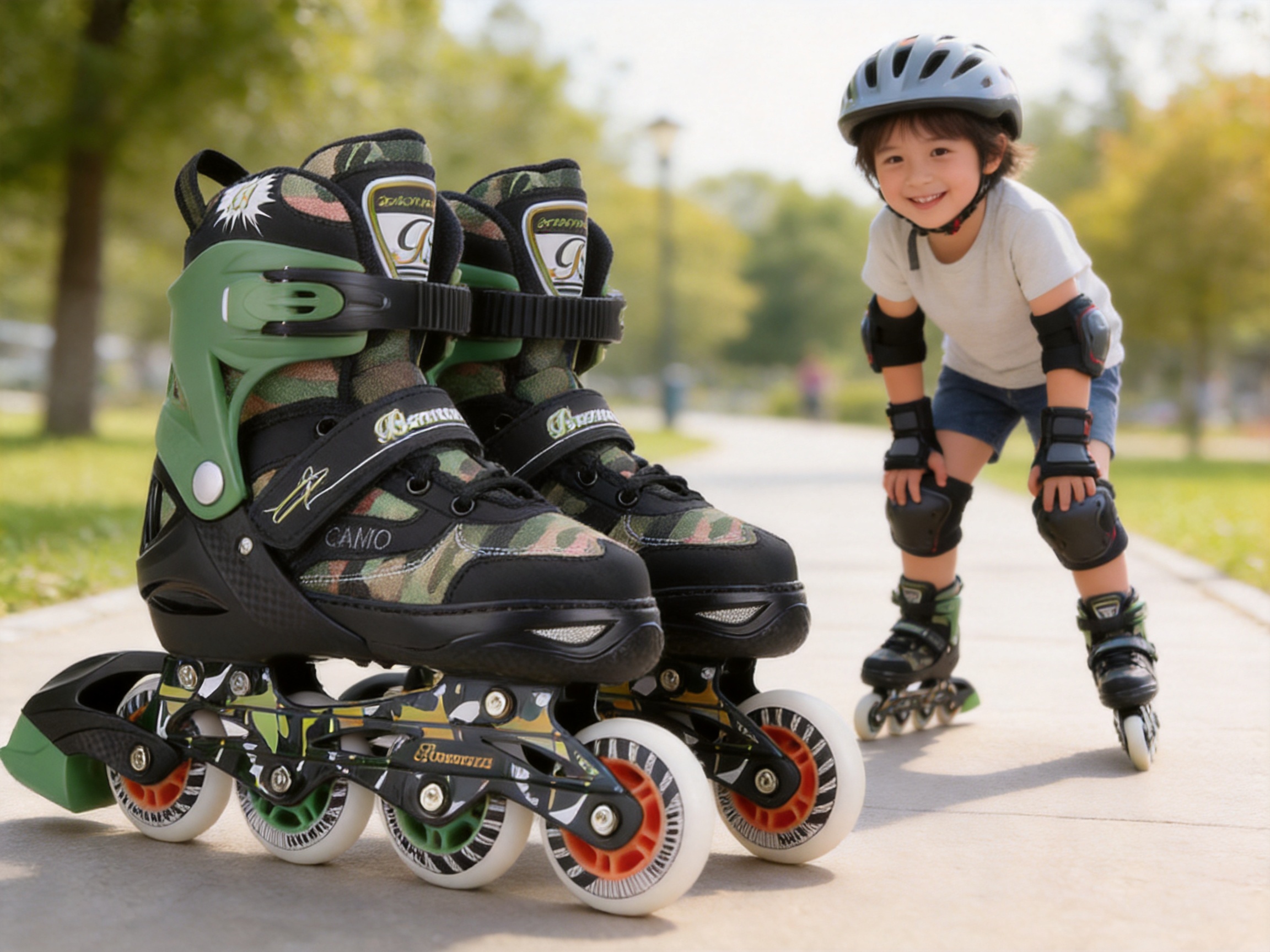
Parents should examine the wheels, frame area, adjustment points, and fastening components regularly. Any loose or damaged part should be addressed before the next use. Children should wear suitable protective equipment, including a properly fitted helmet and appropriate wrist, elbow, and knee protection. Protective gear is especially important for beginners who are still developing stopping and balance skills.
Outdoor Applications and User Scenarios
The BW-185 is intended for a variety of low-intensity outdoor scenarios. Parks and plazas are natural applications because they often provide open space for supervised skating. Smooth recreational paths can also be suitable when local rules permit skating. Families may use the product during weekend activities, holidays, or casual play with friends.
The product is also appropriate for children who want to explore skating without entering a formal high-intensity training program. It provides a way to develop interest in the sport at a comfortable pace. Children can begin with short sessions and gradually improve their coordination, balance, and movement control.
Light skating exercise may contribute to general physical activity. It engages the legs and core while requiring the child to respond to changes in body position. Regular recreational use can encourage children to spend more time outdoors and develop a positive relationship with movement. The objective is not to make unsupported medical or athletic claims, but to provide an enjoyable activity that naturally involves balance and coordination.
Retailers can present the product as part of a broader children’s outdoor sports assortment. It can be displayed with helmets, protective pads, scooters, skate bags, and other recreational equipment. Since the manufacturer also produces children’s scooters, roller skates, and ice skates, buyers may have opportunities to build a more complete category offering.
Manufacturing Capabilities and Production Strengths
The quality of a children’s inline skate depends heavily on the manufacturer’s ability to coordinate multiple processes. The product combines soft goods, molded components, adjustment mechanisms, rolling components, and final assembly. Reliable output requires more than one specialized workshop. It requires an integrated production system capable of managing materials, molds, sewing, injection molding, assembly, inspection, and packaging.
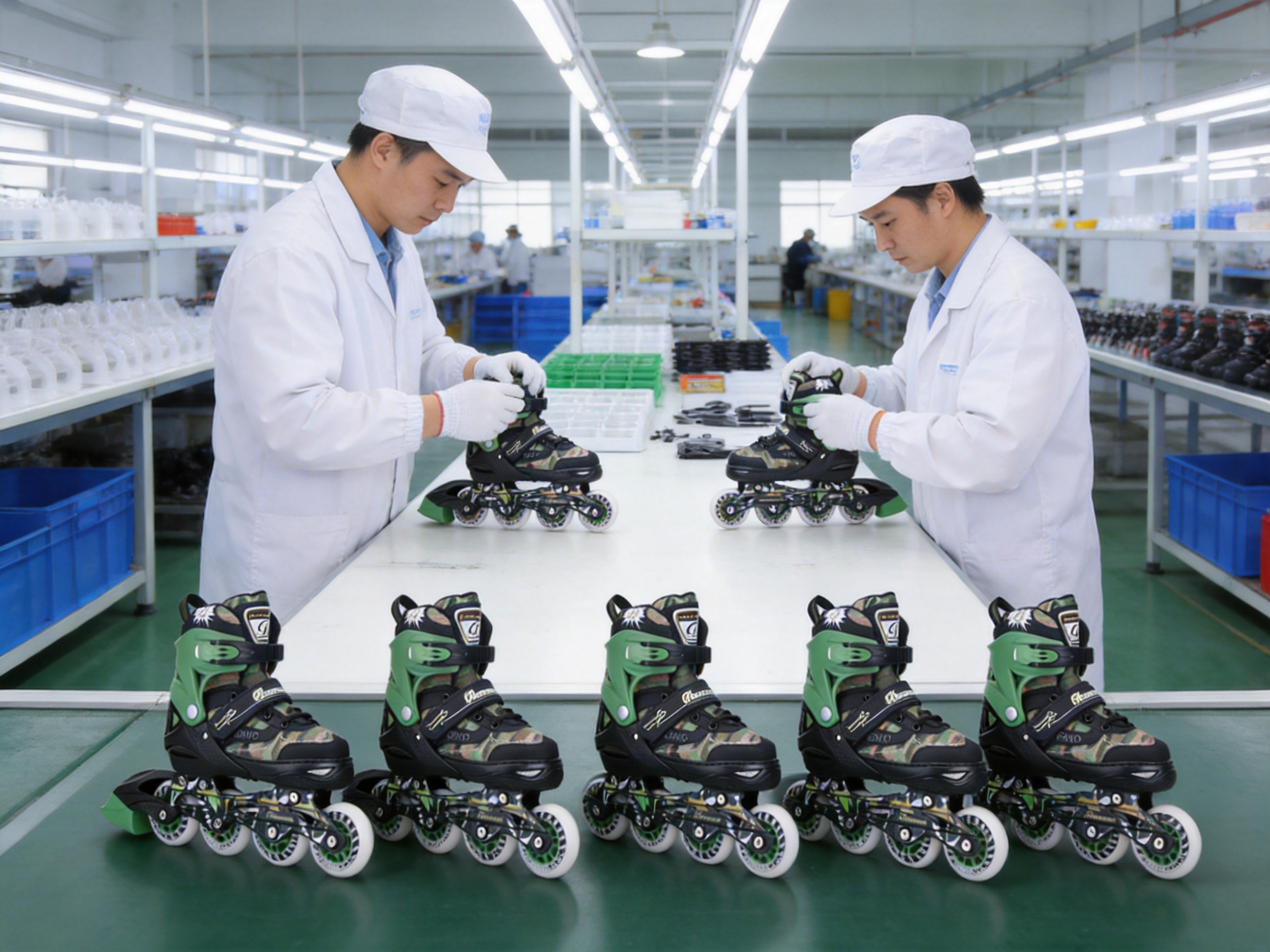
Ningbo Feile Sporting Goods Co., Ltd. was established in 2010 and specializes in children’s scooters, inline skates, roller skates, and ice skates. The company operates a workshop of approximately 20,000 square meters and employs more than 200 people. Its production system includes five advanced automatic production lines, supported by mold, injection molding, sewing, and assembly workshops.
This combination of facilities provides several advantages. Mold capability supports the development and refinement of shaped plastic components. Injection molding allows repeatable production of structural parts. Sewing facilities support the manufacture of textile and upper components. Assembly operations bring the components together into a finished skate. When these functions are coordinated within one manufacturing organization, communication between product development and production can be more direct.
The company also maintains a professional research and development engineering team. An internal engineering function can help adapt designs to market requirements, improve product details, and support private-label or OEM projects. For international buyers, this is valuable because product specifications may need to be adjusted for different market preferences, packaging standards, age groups, or sales channels.
Automation and Process Consistency
Automatic production lines can improve consistency when they are properly managed. Repeatable processes help control dimensions, output volume, and assembly rhythm. In a product with adjustable sizing, consistent component alignment is particularly important. Small differences in the placement of structural parts or adjustment components can affect fit and user experience.
Automation does not eliminate the need for skilled personnel. Operators, technicians, engineers, and quality staff remain essential for setting equipment, checking materials, monitoring production, identifying deviations, and improving processes. The strongest manufacturing systems combine equipment efficiency with human oversight.
For buyers, a structured production environment may support more predictable lead times and repeat orders. A factory with its own mold, injection molding, sewing, and assembly capabilities can also reduce dependence on multiple external suppliers. This may simplify communication and improve control over product revisions.
Research, Development, and Product Renewal
Children’s sports products must respond to changing tastes, safety expectations, and market trends. A product that remains visually and functionally unchanged for too long may lose attention even if its basic performance remains acceptable. Feile launches new products each year to address customer and market needs.
Product renewal can include new colors, patterns, structural refinements, packaging updates, size arrangements, or related product categories. For distributors, this creates opportunities to refresh seasonal collections and maintain consumer interest. For OEM customers, the company’s development resources may assist in transforming a general product concept into a market-specific offering.
The BW-185 illustrates this approach by combining a current camouflage design with practical features that support longer use. It is not simply a decorative variation. The design is integrated with adjustable sizing, breathable construction, outdoor durability, and beginner-friendly operation.
Quality Management and Certifications
Quality management is particularly important for products used by children. Buyers need confidence that the manufacturing system is organized, documented, and capable of maintaining consistent standards. The company has passed ISO9001 and BSCI-related factory certification systems, as well as Kmart factory certification requirements. These systems indicate attention to quality procedures, social responsibility, and factory management.
The company’s product certification portfolio includes 3C, CE, EN71, EN62115, ASTM, EMC, and EN13843:2009 certifications or compliance references for relevant products and markets. Certification requirements can vary according to product type, market, age classification, and selling region. Importers should confirm the current documentation applicable to the exact model and destination market before placing an order.
Certifications do not replace responsible use or proper supervision, but they are important elements in a professional supply chain. They can support customs preparation, retailer onboarding, technical files, product listings, and customer confidence. Buyers should request current certificates, test reports, material information, and applicable declarations during the sourcing process.
Inspection Priorities for Inline Skates
A comprehensive inspection program for children’s inline skates may include the following areas:
• Visual appearance, including camouflage pattern consistency and surface finish.
• Upper stitching, material quality, and possible sharp or rough edges.
• Adjustment function across the designated size range.
• Alignment of the footbed, frame, wheels, and support structure.
• Stability of fasteners and assembled components.
• Wheel rotation and general rolling performance.
• Packaging accuracy, size identification, and user instructions.
• Product labeling and market-specific compliance information.
Inspection should be performed during production and before shipment. A documented quality process can identify trends early, reduce rework, and protect both the manufacturer and the buyer from avoidable problems.
Advantages for OEM and Wholesale Buyers
The BW-185 has several characteristics that may appeal to OEM customers and wholesale distributors. Its broad adjustable size ranges can simplify assortment decisions. Its camouflage appearance provides a clear design direction. Its recreational positioning makes it suitable for sporting goods stores, children’s activity retailers, online marketplaces, and seasonal outdoor product collections.
The manufacturer’s in-house capabilities may support more efficient OEM communication. Buyers can discuss product specifications with a supplier that understands the complete manufacturing process rather than working only with a trading intermediary. This can be useful when adjusting colors, logos, packaging, accessories, size labels, or market-specific documentation.
Feile’s experience across scooters, inline skates, roller skates, and ice skates may also support category expansion. A buyer who begins with children’s inline skates may later source related products from the same supplier. Consolidating categories can simplify vendor management, product development, quality review, and shipment planning.
The company participates in international exhibitions and maintains a professional management team, including more than 30 college-educated management staff. International exposure can help a manufacturer understand varied customer expectations, packaging requirements, retail trends, and communication practices. This is an advantage when serving buyers in different regions.
Commercial Benefits of Adjustable Products
Adjustable products can create value at several points in the distribution chain. Parents may view them as more economical because they can remain useful as a child grows. Retailers may use the long-use message to explain the product’s price. Distributors may benefit from fewer size-specific inventory units. Online sellers can highlight the size range as a major product feature.
However, the product should be presented accurately. Adjustable sizing does not mean one pair fits every child or that the skate will remain suitable indefinitely. Retail listings should include clear size guidance, adjustment instructions, recommended usage information, and safety reminders. Accurate communication helps reduce returns and improves customer satisfaction.
Comparison with Conventional Children’s Inline Skates
The BW-185 offers several practical differences compared with conventional fixed-size or minimalist children’s inline skates. A basic fixed-size model may be simple to manufacture and purchase, but it can become unsuitable when the child’s foot grows. A plain design may appeal to some users, but it may have less visual distinction in a crowded retail environment. A poorly ventilated upper may feel uncomfortable during longer outdoor sessions.
By contrast, the BW-185 combines size flexibility, visual differentiation, comfort-oriented materials, and recreational durability. Its advantages are not based on a single technical claim. They arise from the way several design decisions support the same user objective: making outdoor skating easier, more comfortable, and more enjoyable for children.
| Evaluation Area | Conventional Fixed-Size Skate | BW-185 Design Approach | Practical Benefit |
|---|---|---|---|
| Size life | Limited to one fixed size | Three adjustable size ranges | Potentially longer use as the child grows |
| Visual identity | Often plain or minimalist | Distinctive camouflage styling | Stronger child appeal and shelf visibility |
| Upper comfort | May use basic rigid materials | Soft, form-fitting, breathable construction | Improved comfort during recreational use |
| Foot positioning | Performance depends heavily on exact size | Snug structure designed to reduce shifting | More stable feel for developing users |
| Market application | General entry-level use | Leisure, outdoor play, light exercise, and beginner skating | Clearer positioning for family-oriented retail |
| Supply capability | May rely on several external production stages | Integrated mold, injection, sewing, and assembly facilities | More coordinated OEM and quality management |
This comparison does not suggest that every conventional skate is unsuitable. Many products serve different purposes and price levels. The relevant point is that the BW-185 is designed to compete through a combination of family value, child-friendly appearance, comfort, and manufacturing support.
Packaging, Logistics, and Product Information
Product information should be clear and complete when the skate is sold internationally. Packaging should identify the model, size range, adjustment method, materials where appropriate, recommended use, and safety guidance. Retail packaging should also communicate that the product is intended for children’s recreational skating rather than professional high-intensity competition.
The available carton dimensions are listed by size group as follows: 31–34, approximately 540 × 410 × 290 millimeters; 35–38, approximately 560 × 420 × 305 millimeters; and 39–42, approximately 600 × 430 × 315 millimeters. Buyers should confirm whether these measurements refer to master cartons, packaging configurations, or another logistics unit before final shipping calculations.
Accurate carton data assists with container planning, warehouse allocation, freight quotations, and e-commerce fulfillment. Since adjustable skates may be sold in multiple size groups, clear external markings are essential. Labels should allow warehouse staff to identify the correct range without opening every carton.
For online sales, product photographs should show the camouflage pattern, adjustment mechanism, upper construction, wheel arrangement, and size range. Written descriptions should avoid vague claims and instead explain what the product is designed to do. Clear communication is particularly important for children’s products because parents are often the final purchasing decision-makers.
Responsible User Guidance
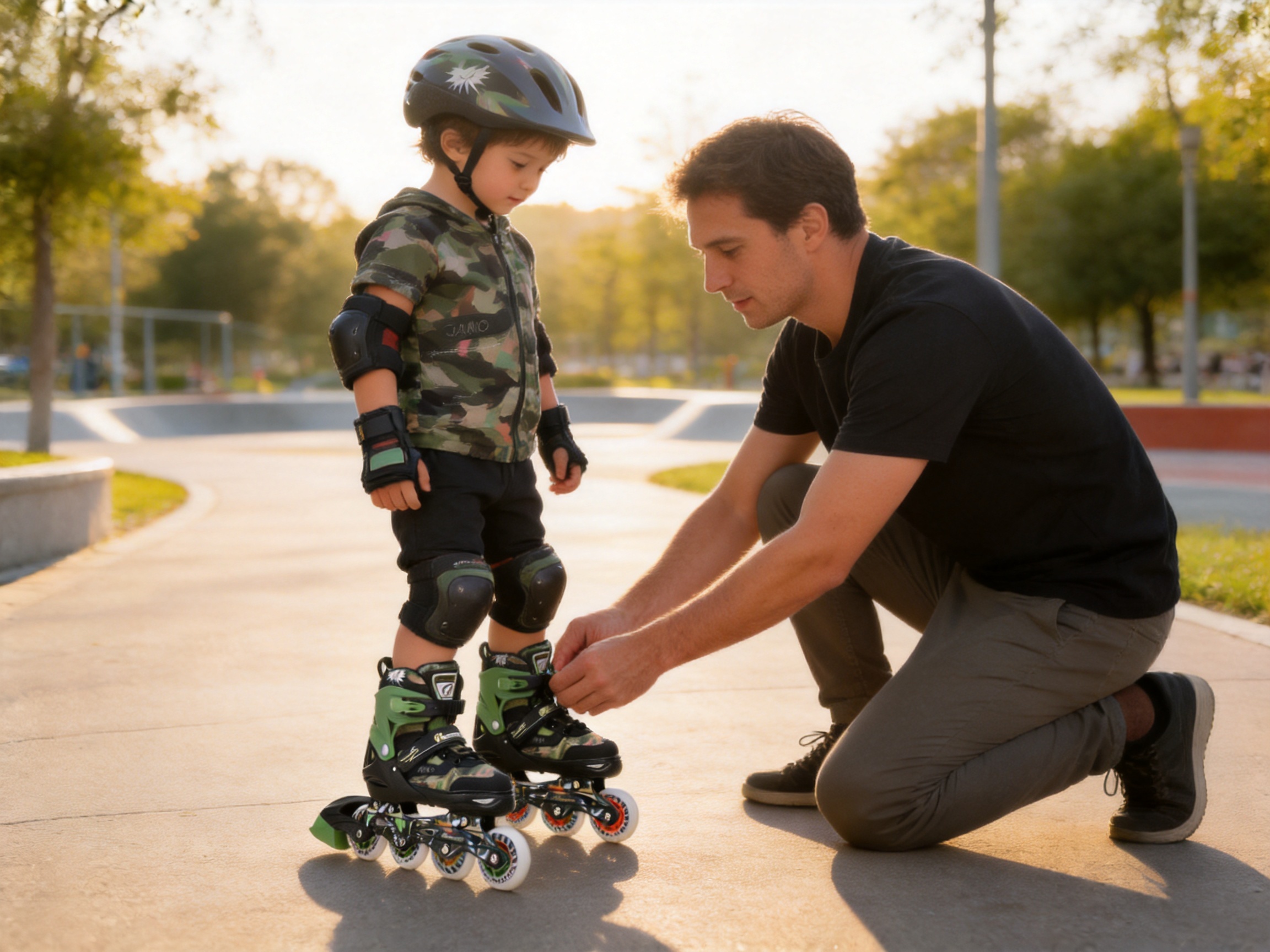
Children should use the skates only under suitable supervision and on appropriate surfaces. A helmet and protective pads are strongly recommended. Beginners should practice in open, flat areas away from traffic, stairs, water, steep slopes, and crowded pedestrian zones. They should learn basic stopping and balance techniques before attempting faster movement or complex turns.
The adjustable mechanism should be set correctly before every session. The foot should not slide significantly inside the skate, and the fastening system should remain secure during movement. Parents should inspect the product for loose parts, unusual wheel movement, visible damage, or changes in fit. If a component appears damaged, use should be stopped until the issue is resolved.
These recommendations support the product’s intended role as a safe and enjoyable recreational tool. They also help protect the product from misuse. No children’s sports equipment can eliminate all risk, so responsible supervision and appropriate protective equipment remain essential.
Q&A: Common Questions About the Product
Q1: What type of user is the BW-185 designed for?
The BW-185 is designed for children who want to enjoy inline skating during outdoor leisure, light exercise, and beginner practice. It is suitable for parks, plazas, and other smooth, flat outdoor surfaces. It is not positioned as specialized racing equipment or professional high-intensity training gear.
Q2: What size ranges are available?
The product is available in three adjustable size groups: 31–34, 35–38, and 39–42. Each group is intended to accommodate growth within the specified range. Buyers should still use the manufacturer’s fitting guidance and check the child’s actual foot length before selection.
Q3: Why is adjustable sizing valuable for children?
Children’s feet grow quickly. Adjustable sizing can extend the useful period of a pair of skates, reduce the need for immediate replacement, and provide more flexibility when a child falls between standard sizes. It can also simplify inventory planning for retailers and distributors.
Q4: Does the adjustable structure make the skate loose?
The skate is designed to provide a snug fit when adjusted correctly. The objective is to reduce foot movement and wobbling while maintaining comfort. The adjustment should be checked each time the skates are used, and the skate should never be worn if the foot shifts excessively inside it.
Q5: What makes the design different from minimalist children’s skates?
The product uses a distinctive camouflage appearance rather than a conventional plain-color design. It also combines that visual identity with breathable, soft, form-fitting construction and growth-adjustable sizing. This gives it both child-oriented style and practical family value.
Q6: Is the upper comfortable for extended outdoor use?
The upper is made with a soft, skin-friendly material and a breathable structure intended to improve comfort during outdoor activity. Comfort will also depend on correct sizing, suitable socks, weather conditions, and the length and intensity of use.
Q7: Can the product be used for professional training?
The BW-185 is intended for leisure, beginner practice, and light outdoor exercise. Children involved in advanced training or competitive skating should consult a qualified coach about equipment designed specifically for their technical requirements.
Q8: Where can children use these skates?
Suitable locations include smooth, flat outdoor areas such as parks, plazas, and recreational paths where skating is permitted. Users should avoid traffic, steep slopes, wet surfaces, loose gravel, major cracks, and crowded areas.
Q9: What manufacturing capabilities support the product?
The manufacturer operates mold, injection molding, sewing, and assembly workshops, as well as five automatic production lines and an engineering research and development team. These capabilities support coordinated production of molded parts, textile uppers, structural components, and finished assemblies.
Q10: What certifications are associated with the company’s products?
The company has passed ISO9001, BSCI, and Kmart factory certification systems and has obtained or referenced certifications including 3C, CE, EN71, EN62115, ASTM, EMC, and EN13843:2009 for relevant products and markets. Buyers should request current documents for the exact product and destination region.
Q11: Is OEM or private-label cooperation possible?
The company’s manufacturing facilities, engineering team, product development experience, and international market participation support OEM and sourcing cooperation. Buyers should discuss logo application, color, packaging, documentation, minimum order quantities, lead times, and customization scope directly with the supplier.
Q12: What should buyers confirm before ordering?
Buyers should confirm the current specification, size ranges, materials, packaging configuration, carton dimensions, order quantity, production schedule, certifications, test reports, warranty terms, inspection procedures, and shipping details. They should also verify any requirements specific to the destination market.
Why the Product Is Competitive
The BW-185 competes through a balanced value proposition. Its first advantage is growth-adjustable sizing, which responds directly to a common concern among parents. Its second advantage is comfort-oriented construction, including a soft upper, form-fitting structure, and breathable design. Its third advantage is visual differentiation through camouflage styling. Its fourth advantage is a clear recreational purpose that makes the product approachable for beginners.
These benefits are reinforced by the manufacturer’s production infrastructure. The company’s integrated workshops and automatic production lines support the manufacture of multiple component types. Its engineering team can contribute to development and refinement. Its certification and factory management experience can assist international buyers with compliance and sourcing requirements.
Compared with a basic fixed-size skate, the product can offer greater family value. Compared with a highly technical training skate, it can offer a more approachable experience for casual users. Compared with a generic children’s sports product, it offers stronger visual identity. This combination gives the product a practical position in the children’s outdoor recreation market.
Conclusion
The BW-185 children’s inline skate is designed to make recreational skating more accessible, comfortable, and appealing for young users. Its three adjustable size ranges respond to children’s growth, while its snug form-fitting structure is intended to support stable foot positioning. The soft, breathable upper helps improve comfort, and the durable construction is suited to ordinary outdoor play. The camouflage design adds a distinctive identity that separates the product from conventional minimalist styles.
For families, the product offers a practical way to introduce children to skating and light exercise. For retailers, it provides a visually attractive and value-oriented product with broad size coverage. For distributors and OEM buyers, it is supported by a manufacturer with experience in skates and scooters, integrated production workshops, automatic production lines, engineering resources, and international quality management experience.
The product should be used responsibly, with proper adjustment, adult supervision, suitable protective equipment, and appropriate skating surfaces. When these conditions are followed, the BW-185 can serve as a useful part of a child’s outdoor recreation routine and as a commercially relevant addition to a children’s sports equipment portfolio.
Its strongest competitive position comes from the combination of features rather than from one isolated claim: adjustable growth capacity, comfortable materials, secure fit, breathable construction, outdoor durability, child-focused styling, and dependable manufacturing support. That combination gives the product a solid foundation for international sourcing and for families seeking practical, enjoyable children’s inline skates.
References
1. Product specification and descriptive materials for the BW-185 children’s adjustable inline skate.
2. Manufacturing and company profile information supplied by Ningbo Feile Sporting Goods Co., Ltd.
3. ISO 9001 Quality Management Systems, general quality management principles.
4. BSCI factory social compliance and responsible sourcing framework.
5. EN 13843:2009, safety requirements and test methods for roller sports equipment.
6. EN 71, safety requirements for toys and children’s products where applicable.
7. ASTM standards relating to roller sports equipment and protective products where applicable.
8. General product safety and supervision guidance for children’s wheeled sports equipment.
9. Manufacturer-provided packaging dimensions and product application information.
10. General footwear, textile ventilation, product inspection, and recreational sports equipment principles.
Product: BW-185 Children's Inline Skate

Recommended Articles

Get in Touch
Your email address will not be published. Required fields are marked *
Have a project in mind? Contact with us!
We are happy to answer your questions. Please fill out this form
and one of our professional team will get back to you as soon as possible.

We specialize in producing various types of children's toy cars, children's skateboards, and ice skates.
