
 En
En
 Español
 русский
 عربى
عربى
Why Adjustable Inline Skates Are a Smart Choice for Young Beginners and Growing Families
Date:Aug 20, 2026
Content
- 1 Designed Around the Needs of Beginners
- 2 Three-Size Adjustability for Growing Feet
- 3 Comfort for Repeated Practice
- 4 Practical Wheel Performance for Entry-Level Skating
- 5 Construction Intended for Daily Use
- 6 Advantages over Less Adaptable Competitor Products
- 7 Manufacturing Strength and Product Development Capability
- 8 Quality Systems, Certifications, and Compliance Background
- 9 Benefits for Retailers, Importers, and Distributors
- 10 Recommended Use and Safety Practices
- 11 Use in Family Recreation and Youth Exercise
- 12 Packaging and Logistics Considerations
- 13 OEM and One-Stop Sourcing Potential
- 14 How the Product Fits Different Customer Profiles
- 15 Product Limitations and Appropriate Positioning
- 16 Q&A
- 16.1 Q1: Who is the BW-187 Adjustable Kids Inline Skate designed for?
- 16.2 Q2: What size ranges are available?
- 16.3 Q3: Why is adjustable sizing useful for children?
- 16.4 Q4: Is this skate suitable for complete beginners?
- 16.5 Q5: Can teenagers use the product?
- 16.6 Q6: Can the skates be used outdoors?
- 16.7 Q7: Does the product include protective gear?
- 16.8 Q8: Is the wheelset designed for high speed?
- 16.9 Q9: What should be checked before every use?
- 16.10 Q10: What manufacturing capabilities does the supplier have?
- 16.11 Q11: Does the manufacturer support OEM projects?
- 16.12 Q12: What certifications are associated with the company’s product portfolio?
- 16.13 Q13: Is the product suitable for professional competitions?
- 16.14 Q14: How can families obtain the best value from the skates?
- 17 Conclusion
- 18 References
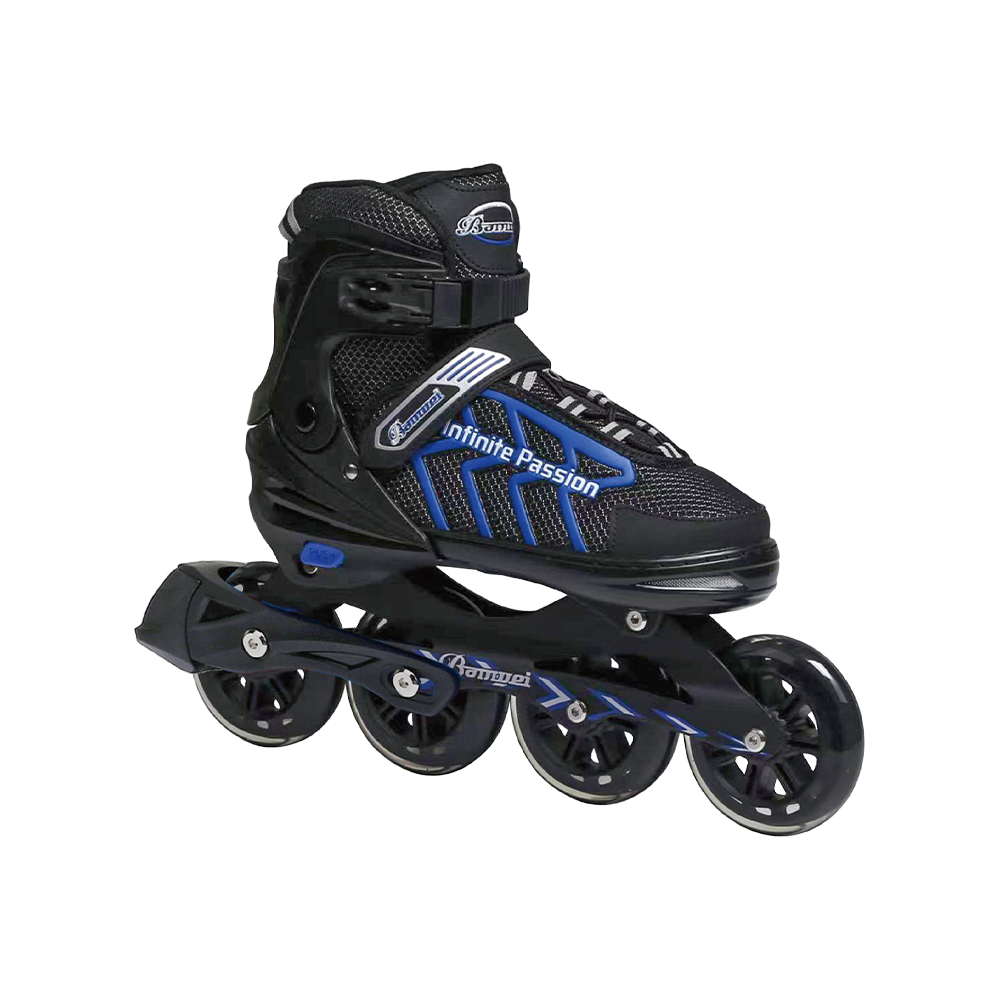
- 19 Product: BW-187 Adjustable Kids Inline Skate
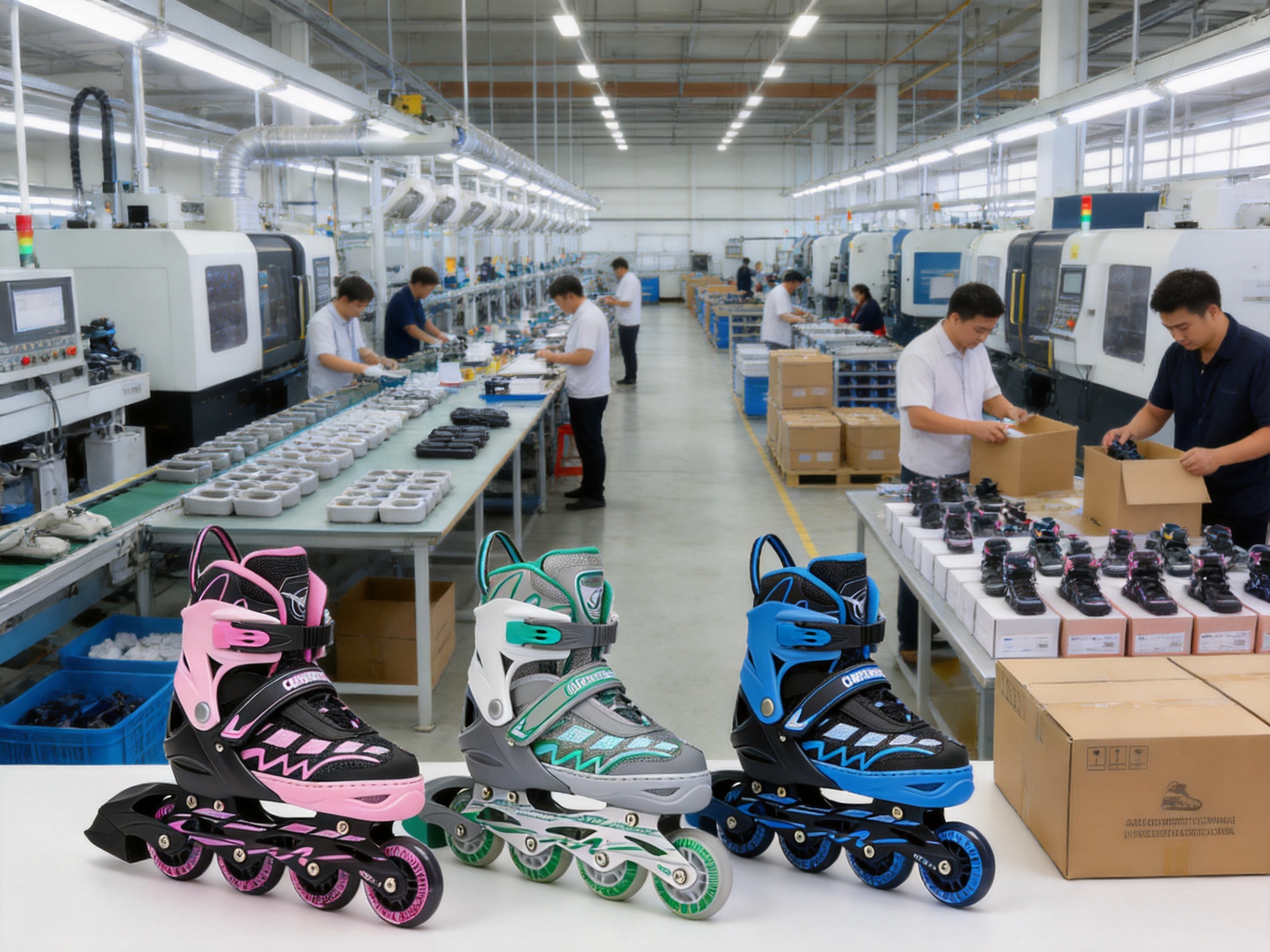
Inline skating is an accessible and enjoyable way for children and teenagers to develop balance, coordination, lower-body strength, and confidence. However, beginners need equipment that is comfortable, stable, simple to use, and capable of adapting as they improve. A skate that is too complicated may discourage a new user, while a fixed-size skate can become unsuitable quickly as a child’s feet grow. The BW-187 Adjustable Kids Inline Skate is designed to address these common concerns with a practical construction, adjustable sizing, beginner-oriented wheel performance, and a durable structure intended for regular use.
Rather than focusing on excessive decoration or advanced racing specifications, this inline skate emphasizes the fundamentals that matter most to young users: secure fit, manageable control, comfort during practice, and reliable support. Its three-size adjustment range accommodates different foot lengths from children to older teenagers, allowing one pair to remain useful over a longer period. This gives families a more practical alternative to repeatedly purchasing fixed-size skates during a child’s growth years.
The product is also supported by the manufacturing experience of Ningbo Feile Sporting Goods Co., Ltd., a sporting goods producer established in 2010. The company specializes in children’s scooters, inline skates, roller skates, and ice skates. Its facilities include mold, injection molding, sewing, and assembly workshops, along with five automatic production lines and a professional research and development engineering team. These capabilities support consistent production, product improvement, and one-stop sourcing for buyers seeking skating and scooter equipment.
For distributors, retailers, importers, and families comparing entry-level inline skates, the BW-187 offers a balanced combination of adjustability, practical design, stable operation, and manufacturing support. It is not positioned as a specialized competition skate. Instead, it is designed for learning, recreational skating, after-school exercise, and everyday practice in suitable indoor and outdoor environments.
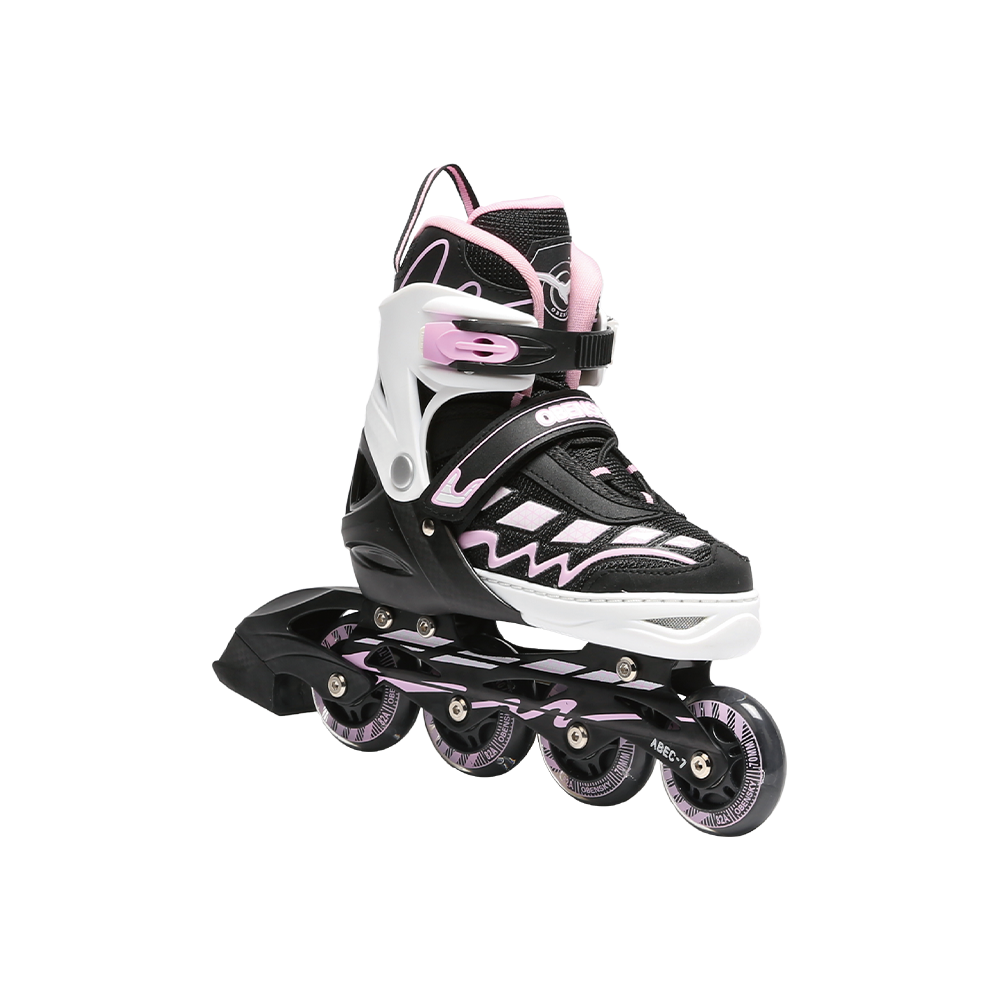
BW-187 Adjustable Kids Inline Skate
Designed Around the Needs of Beginners
Starting inline skating can be intimidating. New skaters must learn how to stand correctly, maintain balance, shift weight, control speed, and stop safely. These skills require repeated practice, and equipment has a direct influence on how quickly a beginner becomes comfortable. If the skate feels unstable, heavy, tight, or difficult to adjust, the learning process can become frustrating.
The BW-187 follows a straightforward design approach that supports first-time users. Its operation is simple, its fit can be adjusted, and its wheelset is intended to provide a stable and gentle skating feel. These features help beginners concentrate on body position and movement instead of struggling with unnecessarily complicated equipment.
For young skaters, simple operation is particularly valuable. Children and teenagers may not yet have the strength or technical knowledge to manage advanced skating equipment. A practical entry-level skate allows them to become familiar with basic skating rhythm. Over time, they can practice standing, balancing, moving forward, turning, and controlling their speed in a progressive manner.
The BW-187 is suitable for beginners learning inline skating from the beginning, but its usefulness does not end after the first few sessions. Its supportive upper, adjustable fit, and durable structure make it appropriate for continued practice and casual recreational skating. This makes it a more economical choice than a product intended only for a short introductory period.
Supporting Balance and Control
Balance is one of the first challenges in inline skating. A beginner needs a stable platform that does not feel unpredictable underfoot. The BW-187’s basic and smooth wheelset is intended to provide controlled movement for practice. It is designed to help reduce sudden loss of control during ordinary beginner skating, especially when the user is learning to distribute weight evenly.
Stable equipment does not replace supervision, protective gear, or proper instruction. Nevertheless, a predictable skating response can make practice more comfortable. When a young skater feels that the skate responds consistently, he or she can focus on posture and gradual movement rather than reacting to unexpected equipment behavior.
The skate’s snug upper also contributes to control. A secure fit helps reduce unnecessary foot movement inside the boot, supporting more direct communication between the skater’s feet and the skate. This can be useful when practicing basic movements, maintaining a straight line, or learning how to shift weight during turns.
Appropriate for Gradual Skill Development
Inline skating skills develop in stages. A child may begin by standing with assistance, then progress to short gliding movements, basic stopping, and simple turns. Later, the same skater may practice longer distances or more coordinated movements. A practical beginner skate should support this progression without forcing the user into a highly specialized design too early.
The BW-187 is intended for this gradual learning process. It offers a stable starting point while remaining suitable for daily recreation after the user develops greater confidence. This broad usability distinguishes it from highly technical skates designed for racing, aggressive skating, or advanced freestyle applications.
For retailers, this positioning also makes the product easy to explain. It can be presented to parents as an introductory and recreational skate for children and teenagers, rather than as a niche product requiring advanced experience. A clear product purpose can simplify customer decisions and reduce the risk of mismatching an advanced product with a first-time user.
Three-Size Adjustability for Growing Feet
One of the most important advantages of the BW-187 is its multi-adjustable sizing system. The skate is available in three standard size groups—S, M, and L—and accommodates foot lengths ranging from children’s sizes to older teenagers’ sizes. The listed size ranges are 31–34, 35–38, and 39–42.
Children’s feet can grow considerably over a relatively short period. With fixed-size skates, a pair that fits well at the time of purchase may become tight before the equipment has received much use. Families may then need to purchase another pair even if the original product remains structurally sound. An adjustable skate helps extend the practical service period by allowing the fit to change as the child grows.
This design can offer several benefits:
First, it reduces the frequency of replacement. One pair can cover multiple adjacent foot sizes rather than serving only one exact size. Second, it can improve purchasing efficiency for families with growing children. Third, it gives retailers a product with broad size coverage and strong appeal for parents seeking long-term value. Fourth, it can support siblings or different users within a suitable size range, provided that the skate is properly adjusted and fitted for each person.
| Size Group | Listed Size Range | Typical User Consideration | Main Practical Benefit |
|---|---|---|---|
| S | 31–34 | Children with smaller feet | Allows adjustment across several early growth stages |
| M | 35–38 | Older children and younger teenagers | Supports continued use as foot length changes |
| L | 39–42 | Teenagers with larger feet | Extends suitability into later youth sizes |
Correct adjustment remains essential. The skate should be adjusted so that the foot is secure without uncomfortable pressure. A user should not skate in a size that is excessively loose, and the adjustment mechanism should be checked before every practice session. Proper socks, suitable protective equipment, and adult supervision are also recommended for young beginners.
Improved Value Compared with Fixed-Size Alternatives
Fixed-size skates may be suitable for users whose feet have stopped growing or for highly specialized applications where a precise fit is required. For children and teenagers, however, adjustability often provides a more practical balance between fit and value. The BW-187 is designed to remain useful over a longer adaptation period, which can reduce the total cost of ownership for families.
From a retail perspective, adjustable sizing can also simplify inventory planning. A supplier may be able to offer broad customer coverage with three size groups instead of stocking numerous individual sizes. This can help create a clearer product range and make purchasing decisions easier for stores, distributors, and online sellers.
The adjustable structure does not mean that sizing can be ignored. Buyers should still select the appropriate size group based on the user’s current foot length. The adjustment range should be used to create a secure fit, not as a substitute for selecting the correct general size category.
Comfort for Repeated Practice
Comfort is a critical factor in children’s sports equipment. Beginners often need multiple short sessions to develop balance and coordination. If the skate rubs the foot, creates pressure points, or feels heavy, a child may be less willing to continue practicing. The BW-187 is designed with a supportive upper and an adjustable fit intended to accommodate many common foot shapes.
The upper is described as lightweight and practical. This helps reduce the sensation of heaviness around the feet and lower legs. A lighter-feeling skate can be particularly helpful for younger users who are still developing leg strength. It may also reduce fatigue during casual skating sessions, although the actual experience will depend on the user’s body size, skating technique, surface conditions, and session length.
The fit is intended to distribute pressure more evenly across the foot. Even pressure can help the skater feel more secure while practicing basic movements. A snug fit also reduces excessive movement inside the skate, which may improve stability and reduce unnecessary rubbing when the skate is adjusted correctly.
Comfort Features That Support Longer Sessions
The BW-187 is suitable for daily practice and recreational skating in appropriate locations. For these activities, comfort is not a luxury; it is part of the product’s practical performance. A child who feels comfortable is more likely to practice regularly, and regular practice is essential for improving balance and coordination.
The design aims to avoid a constricting sensation while still providing support. This is an important distinction. A skate that is too loose may allow the foot to move excessively, while a skate that is too tight may cause discomfort. The adjustable structure allows the fit to be refined according to the user’s foot length and personal comfort.
Parents should inspect the fit regularly, especially during periods of rapid growth. Signs of an unsuitable fit may include numbness, persistent red marks, heel movement, or difficulty controlling the skate. The ability to adjust the product is most beneficial when it is used carefully and checked frequently.
Practical Wheel Performance for Entry-Level Skating
The BW-187 uses a basic, smooth, and stable wheelset intended for beginner-oriented skating. Its purpose is to provide a controlled and gentle skating experience rather than extreme speed. This is appropriate for children and teenagers who are still learning how to manage movement and balance.
High speed is not usually the priority for a first-time skater. Beginners need time to understand how their body position affects movement. A wheelset that supports predictable rolling can help users become familiar with forward motion without encouraging unnecessary speed. The BW-187’s positioning is therefore different from performance skates designed for racing or advanced long-distance skating.
Wheel performance is affected by many factors, including floor quality, wheel condition, user weight, temperature, maintenance, and skating technique. Smooth indoor floors may provide a different experience from outdoor pavement. Users should choose clean, flat, and suitable surfaces, avoiding wet ground, loose gravel, steep slopes, and areas with heavy traffic.
Indoor and Outdoor Recreational Use
The skate is suitable for casual use in indoor and outdoor locations such as plazas, residential areas, and indoor flat surfaces. These environments can provide opportunities for after-school exercise, family recreation, and supervised practice.
For outdoor use, the surface should be inspected before skating begins. Cracks, stones, sand, leaves, and uneven pavement can affect balance and wheel movement. Young skaters should begin in a clear area with sufficient space and should avoid roads or locations where vehicles and pedestrians create hazards.
Indoor surfaces should also be evaluated. A smooth, clean, non-slippery floor is generally more suitable than a surface with loose rugs, liquid spills, or sudden changes in level. Building owners and facility managers may have specific rules regarding skating, and these rules should be followed.
Construction Intended for Daily Use
Children’s sports equipment must withstand repeated use. Beginners may place additional demands on skates because they are still learning how to stand, move, and stop. Equipment may be exposed to minor impacts, frequent adjustments, and regular transport. The BW-187 is designed with a sturdy structure intended to resist ordinary wear associated with basic practice.
Its durable construction is positioned as a long-term value advantage. This does not mean that the skate is indestructible or maintenance-free. All skating equipment experiences wear, and components should be inspected before use. However, a product designed for repeated practice can be more suitable for families than a fragile novelty item intended for occasional display or very limited use.
Durability also matters to wholesalers and retailers. Products that are intended for daily practice must be able to withstand normal handling during packaging, transportation, storage, and customer use. A dependable structure can help support customer satisfaction and reduce avoidable complaints related to ordinary wear.
Maintenance and Inspection
Regular inspection is an important part of safe use. Parents or responsible adults should check the adjustment mechanism, boot structure, wheel condition, and fastening components before each session. Any loose, cracked, damaged, or unusually worn part should be addressed before the skate is used again.
After outdoor skating, the wheels and lower components should be checked for stones, dirt, or other debris. The skates should be stored in a dry, ventilated location away from excessive heat and moisture. They should not be left in standing water or exposed to conditions that may damage materials.
Young users should also be taught to avoid carrying the skates by parts that are not designed as handles. Proper transport and storage can help reduce unnecessary damage. These simple habits support the product’s intended long-term use.
Advantages over Less Adaptable Competitor Products
The BW-187 competes most directly with basic fixed-size children’s skates and entry-level models that offer limited adjustment. Its advantages should be understood in relation to its intended market rather than compared with professional racing or aggressive inline products.
Its first advantage is the three-size adjustment range. A fixed-size skate is limited to one foot length, while the BW-187 can accommodate several sizes within each size group. This makes it better suited to growing children and teenagers.
Its second advantage is its beginner-oriented stability. The product focuses on simple control and a predictable skating feel instead of emphasizing high speed or advanced maneuverability. This makes it more approachable for users who are learning from the beginning.
Its third advantage is practical comfort. The lightweight upper, supportive fit, and adjustable structure are designed to reduce pressure and fatigue during regular recreational use. This can be valuable for children who may skate for extended periods while learning basic movements.
Its fourth advantage is broad usage. The product can be used for basic training, casual skating, after-school exercise, and family recreation in appropriate areas. This wider purpose can be more useful than a highly specialized skate that performs well only in one activity.
Its fifth advantage is sourcing support. The manufacturer has experience across multiple categories, including scooters, inline skates, roller skates, and ice skates. Buyers seeking coordinated product lines may benefit from working with a supplier capable of providing several related categories.
| Comparison Factor | BW-187 Adjustable Kids Inline Skate | Typical Fixed-Size Beginner Skate | Highly Specialized Performance Skate |
|---|---|---|---|
| Size flexibility | Three adjustable size groups covering 31–42 | Usually limited to one fixed size | Often precise but less adaptable to growth |
| Primary user | Children, teenagers, and beginners | Beginners, depending on design | Experienced or specialized skaters |
| Design priority | Comfort, stability, adjustability, and practical use | Basic entry-level operation | Speed, maneuverability, or specialized performance |
| Use period for growing feet | Extended through adjustment | May be shortened by foot growth | Usually less suitable for changing foot sizes |
| Best environment | Suitable flat indoor and outdoor recreational areas | Depends on model | Specific surfaces and activities |
| Retail positioning | Family value and beginner recreation | Basic low-commitment purchase | Technical or enthusiast product |
This comparison does not mean that one product type is suitable for every skater. Advanced users may prefer technical specifications that are not the focus of the BW-187. The strength of the BW-187 lies in serving beginners and growing users with a straightforward, adaptable, and practical design.
Manufacturing Strength and Product Development Capability
Product performance is influenced not only by design but also by manufacturing discipline. A well-conceived product requires consistent molding, reliable assembly, appropriate material control, and inspection procedures. The manufacturer behind the BW-187 has developed production capabilities intended to support these requirements.
Ningbo Feile Sporting Goods Co., Ltd. was established in 2010 and specializes in children’s scooters, inline skates, roller skates, and ice skates. This category experience allows the company to develop knowledge across wheels, plastic components, footwear structures, fastening systems, and children’s recreational equipment.
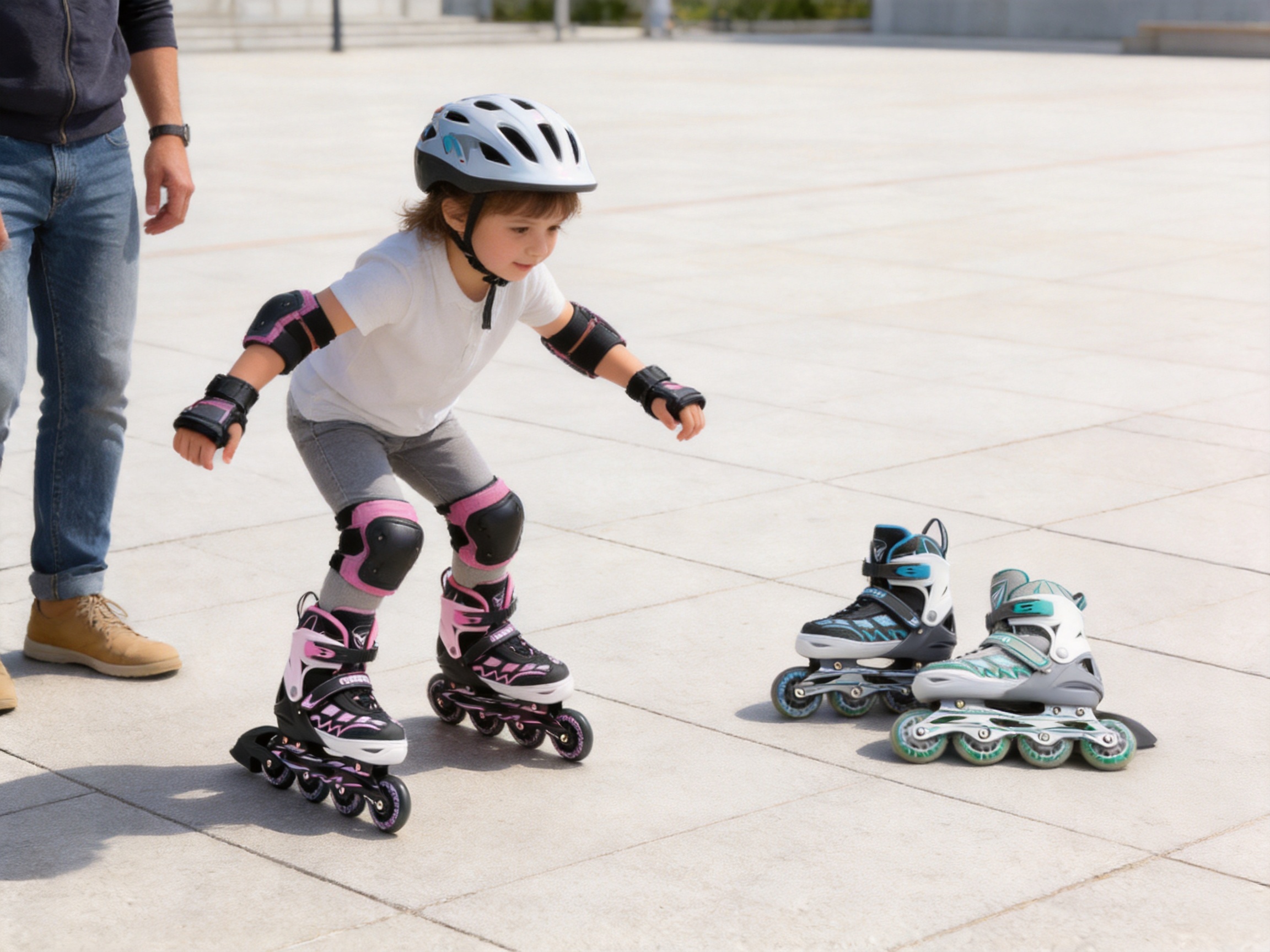
The company operates a workshop of approximately 20,000 square meters and employs more than 200 people. Its facilities include five advanced automatic production lines, a professional research and development engineering team, mold workshops, injection molding workshops, sewing workshops, and assembly workshops. The combination of these functions can support a more integrated production process.
In-House Mold and Injection Molding Capabilities
Mold production is important in products that use shaped plastic components. Consistent molds can help maintain dimensional accuracy and repeatability across production batches. For inline skates, molded components may contribute to the structure, alignment, appearance, and fit of the finished product.
Injection molding capability can support efficient production of repeated components while helping the manufacturer manage material selection, shape consistency, and production volume. When mold and injection processes are coordinated with assembly, potential production issues can be identified and corrected more efficiently than in a fragmented supply chain.
For OEM customers, these capabilities may create opportunities for product customization. Depending on project requirements, buyers may discuss colors, packaging, markings, component choices, or other product details with the manufacturer. Specific customization options, minimum order quantities, lead times, and testing requirements should be confirmed during the purchasing process.
Sewing and Assembly Workshops
Inline skates combine rigid and flexible elements. The outer structure must provide support, while the upper and interior areas need to offer a comfortable fit. Sewing capability is therefore relevant to the construction of footwear components and soft goods used in skating products.
Assembly is another important stage. Wheels, frames, fastening systems, uppers, and other components must be put together correctly to create a functional skate. An organized assembly workshop can support process consistency and help establish inspection points before products are packed.
The manufacturer’s combination of sewing, injection molding, mold, and assembly workshops gives buyers access to a more complete production chain. This can be beneficial for companies seeking a coordinated supplier rather than managing several independent factories for different components.
Quality Systems, Certifications, and Compliance Background
The company reports that it has passed ISO9001, BSCI, and Kmart factory certification systems. It also reports product-related certifications including 3C, CE, EN71, EN62115, ASTM, EMC, and EN13843:2009 across its product portfolio. These credentials indicate an established focus on management systems, social compliance, and market-oriented product requirements.
Certification requirements can vary by product, market, age category, destination country, and sales channel. Buyers should request current documentation for the specific BW-187 configuration, including the applicable size range, materials, packaging, and destination market. Product-level documents should be reviewed before commercial distribution.
For importers and distributors, compliance management is an important part of supplier evaluation. A manufacturer with experience handling multiple standards may be better prepared to discuss testing, labeling, technical files, and market-entry requirements. Nevertheless, the buyer remains responsible for confirming the rules applicable to the intended market.
Research and Development
The company maintains a professional research and development engineering team and launches new products each year. This ongoing development approach supports the creation of products for changing customer needs and market trends.
For the BW-187, development priorities are visible in the product’s adjustable structure, practical upper, beginner-oriented wheelset, and broad usage positioning. These features respond to common concerns among parents and new skaters: children grow quickly, beginners need stability, and recreational products should remain comfortable during repeated use.
Research and development is also valuable for OEM customers. A retailer or importer may have a target price, preferred color range, packaging concept, or regional market requirement. An experienced engineering team can help translate those commercial goals into a manufacturable product configuration.
Benefits for Retailers, Importers, and Distributors
The BW-187 has several characteristics that may support commercial distribution. Its target users are clearly defined, its size coverage is broad, and its core benefits are easy to communicate. Parents generally understand the value of an adjustable product, especially when it is designed for children who are still growing.
The product can be positioned in several retail channels. Sporting goods stores may present it as a beginner inline skate. Children’s activity retailers may include it in an outdoor recreation range. Online sellers can emphasize the three size groups, adjustment feature, beginner-friendly operation, and suitability for supervised practice. Distributors may combine it with helmets, knee pads, elbow pads, wrist guards, or other protective equipment.
The product category also supports seasonal and promotional opportunities. Inline skates may be marketed during school holidays, spring and summer recreation periods, family fitness campaigns, and back-to-school promotions. Because the BW-187 is suitable for both exercise and leisure, it can be presented to customers who are interested in healthy outdoor activities rather than technical skating performance.
Clear Product Communication
Retail communication should explain that the BW-187 is designed for beginners and recreational users. It should also identify the available size ranges clearly. Customers should understand that adjustable sizing increases the usable period but does not eliminate the need to select the correct size group.
Marketing materials should avoid promising professional racing performance or unrestricted use on all surfaces. Instead, the product’s strengths should be described accurately: adjustable fit, beginner-oriented control, comfort for practice, practical durability, and suitability for flat indoor and outdoor recreational locations.
Retailers should also recommend protective gear. A helmet, wrist guards, elbow pads, and knee pads can provide additional protection during learning. Protective equipment should fit properly and should be inspected regularly for damage.
Recommended Use and Safety Practices
Inline skating should be learned in a controlled environment. Beginners should practice on a flat, clean, and unobstructed surface away from traffic, steep slopes, water, loose gravel, and crowded pedestrian areas. A responsible adult should supervise children and teenagers until they demonstrate reliable control.
Before skating, the user should confirm that the skates are adjusted securely and that all fastening components are closed correctly. Both skates should fit evenly. The user should stand carefully, using support if necessary, and begin with short movements.
Basic training should include:
Standing with feet positioned comfortably and knees slightly bent.
Learning how to shift weight gradually from one foot to the other.
Practicing slow forward movement before attempting greater speed.
Learning stopping techniques under instruction.
Practicing gentle turns only after basic forward control is established.
Maintaining a balanced posture with the upper body controlled and the eyes looking ahead.
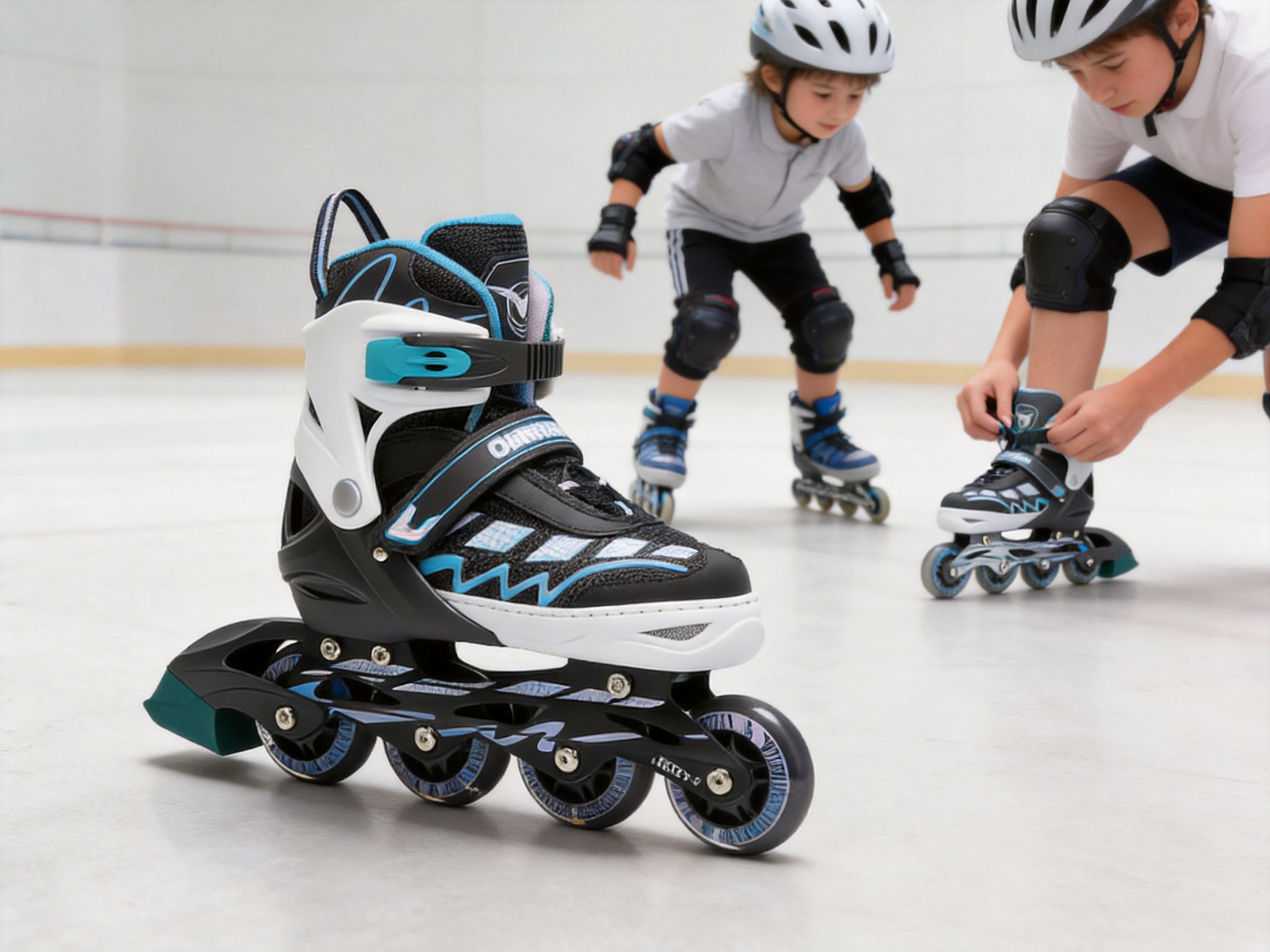
Protective gear is strongly recommended. Children should wear a properly fitted helmet and suitable wrist, elbow, and knee protection. Protective equipment does not eliminate all risk, but it can help reduce the consequences of falls.
Users should not skate in rain, on wet floors, or on surfaces with poor traction. They should also avoid using the skates for activities beyond their intended purpose, such as jumps, aggressive tricks, racing, or high-speed downhill skating, unless the product is specifically confirmed as suitable for those activities.
Use in Family Recreation and Youth Exercise
The BW-187 can support active family routines. Parents may use skating as an opportunity to spend time outdoors with children while encouraging physical movement. Short, regular sessions can help children improve coordination and confidence without making exercise feel repetitive.
For teenagers, the skate can serve as a simple after-school activity. Regular skating involves the legs, hips, and core while requiring continuous attention to balance. It can complement other recreational activities and may help young people develop a stronger interest in active lifestyles.
Skating can also be incorporated into structured practice. A beginner may start with ten or fifteen minutes in a controlled area, followed by rest. As skill and endurance improve, the duration can be increased gradually. This approach allows the user to adapt without excessive fatigue.
The adjustable design is particularly useful for families who want equipment that remains relevant as a child grows. Instead of treating each size as a short-term purchase, families can view the BW-187 as a product intended to accompany several stages of early skating development.
Packaging and Logistics Considerations
The available packaging dimensions are listed according to the three size groups:
| Size Range | Listed Packaging Dimensions | Logistics Consideration |
|---|---|---|
| 31–34 | 540 × 410 × 290 mm | Suitable for organized carton planning and retail shipment calculation |
| 35–38 | 560 × 420 × 305 mm | Requires slightly greater carton volume than the smaller size group |
| 39–42 | 600 × 430 × 315 mm | Largest listed carton dimensions for the product range |
Importers should confirm whether these dimensions refer to individual cartons, master cartons, or another packaging configuration. They should also verify gross weight, net weight, carton quantity, pallet information, loading capacity, labeling, and export documentation before shipment.
Packaging should protect the skates from impact, moisture, dust, and deformation during transportation. Retail packaging may also need to communicate the size adjustment range, recommended user category, safety guidance, and applicable compliance information. These details can help reduce confusion after delivery.
OEM and One-Stop Sourcing Potential
Companies seeking skating and scooter equipment may benefit from working with a supplier that covers multiple related product categories. The manufacturer produces children’s scooters, inline skates, roller skates, and ice skates, allowing buyers to develop a more coordinated assortment.
A one-stop sourcing relationship can simplify communication, product planning, sample management, quality coordination, and shipping arrangements. For example, a distributor may create a seasonal range containing adjustable inline skates, children’s scooters, protective gear, and complementary recreational products. A supplier with experience in these categories can help buyers discuss a consistent market strategy.
OEM cooperation may include packaging development, color selection, product markings, and other project details. Every project should begin with a clear specification sheet covering dimensions, materials, wheel configuration, adjustment method, packaging, testing, quality standards, and delivery expectations.
Buyers should also establish a sample approval process. A production sample should be checked for fit, adjustment operation, wheel alignment, fastening performance, appearance, packaging, and labeling. Any approved sample should be documented so that mass production can be compared against a defined reference.
Questions Buyers Should Ask During Sourcing
Before placing an order, buyers should ask which components are included in the quoted configuration, whether protective gear is supplied separately, what size ranges are available, and what customization options can be supported. They should confirm production lead time, minimum order quantity, payment terms, packaging details, inspection procedures, and after-sales support.
It is also important to request current test reports and certificates relevant to the destination market. Standards can change, and documents may apply only to specific product versions. Clear documentation helps both parties avoid misunderstandings and supports responsible distribution.
How the Product Fits Different Customer Profiles
For First-Time Child Skaters
The BW-187 provides a simple starting point for children who have never used inline skates. Its adjustable size, supportive upper, and stable wheelset can make the first learning sessions more manageable. Adult supervision and protective equipment remain essential.
For Growing Teenagers
The L size range extends to 39–42, making the product suitable for teenagers with larger feet. The adjustable structure can help the skate remain useful as the user moves through adjacent sizes. Its simple design is appropriate for casual exercise and recreational skating rather than highly specialized performance.
For Parents Seeking Long-Term Value
Parents may appreciate the possibility of using one pair over a longer period. The adjustable structure can reduce the need for frequent replacement caused solely by foot growth, provided that the skates remain in good condition and the user remains within the applicable size range.
For Retail and Distribution Buyers
Retailers can present the BW-187 as a family-oriented beginner product with a clear practical benefit. Its three size groups, broad age suitability, and connection to a manufacturer with multiple sporting goods capabilities can support a flexible assortment strategy.
Product Limitations and Appropriate Positioning
A responsible product evaluation should also recognize the product’s intended limits. The BW-187 is designed for beginner and recreational skating. It is not described as a professional racing skate, an aggressive trick skate, or a specialized high-speed model. Buyers seeking those functions should compare products based on different technical requirements.
The adjustable structure is a major advantage for growing users, but the fit still needs to be set correctly. The product should not be treated as a universal size for every child. Foot length, foot shape, comfort, and control must all be considered.
Surface conditions also affect performance. The skate is intended for suitable flat indoor and outdoor areas, not every type of terrain. Wet, rough, loose, or heavily damaged surfaces may create additional risk and accelerate wear.
These limitations do not weaken the product’s value. Instead, they clarify its correct market position. The BW-187 is strongest when used as an adaptable, comfortable, beginner-friendly skate for everyday recreation and skill development.
Q&A
Q1: Who is the BW-187 Adjustable Kids Inline Skate designed for?
It is designed primarily for children, teenagers, and beginners who are learning inline skating or practicing basic skills. It is suitable for casual recreation and after-school exercise in appropriate locations.
Q2: What size ranges are available?
The product is available in three size groups: 31–34, 35–38, and 39–42. These groups are commonly identified as S, M, and L, respectively.
Q3: Why is adjustable sizing useful for children?
Children’s feet grow over time. Adjustable sizing allows one pair of skates to accommodate several adjacent foot sizes, potentially extending the useful period and reducing the need for frequent replacement.
Q4: Is this skate suitable for complete beginners?
Yes. Its simple operation, supportive fit, and stable wheelset are intended to help new users learn balance, posture, forward movement, and basic control.
Q5: Can teenagers use the product?
Yes. The larger size range extends to 39–42, which can accommodate many teenagers. The product is intended for recreational and beginner use rather than specialized professional skating.
Q6: Can the skates be used outdoors?
They can be used outdoors in suitable flat areas such as clean plazas and residential spaces where skating is permitted. Users should avoid wet ground, loose gravel, steep slopes, traffic, and severely uneven surfaces.
Q7: Does the product include protective gear?
The provided product information describes the inline skate itself. Protective gear should be confirmed separately with the seller or supplier. A helmet, wrist guards, elbow pads, and knee pads are recommended for young beginners.
Q8: Is the wheelset designed for high speed?
The wheelset is described as basic, smooth, and stable, with a beginner-oriented skating feel. The product emphasizes control and confidence rather than racing speed or advanced performance.
Q9: What should be checked before every use?
Users should check the fit, adjustment mechanism, fastening components, wheel condition, alignment, and overall structure. Skates with loose, cracked, or seriously worn parts should not be used until properly repaired or replaced.
Q10: What manufacturing capabilities does the supplier have?
The supplier has mold, injection molding, sewing, and assembly workshops, five automatic production lines, a research and development engineering team, and experience producing scooters, inline skates, roller skates, and ice skates.
Q11: Does the manufacturer support OEM projects?
The company is described as an OEM skating and scooter equipment manufacturer. Buyers should discuss specific customization options, minimum order quantities, packaging, testing, and delivery requirements directly with the supplier.
Q12: What certifications are associated with the company’s product portfolio?
The company reports certifications and compliance experience including ISO9001, BSCI, Kmart factory certification systems, 3C, CE, EN71, EN62115, ASTM, EMC, and EN13843:2009. Buyers should request current documents for the exact product configuration and target market.
Q13: Is the product suitable for professional competitions?
The available information positions the BW-187 as a beginner and recreational inline skate. It should not be marketed as a professional competition product unless additional technical specifications and testing confirm that use.
Q14: How can families obtain the best value from the skates?
Families can extend useful life by adjusting the size correctly, inspecting the skates regularly, storing them in a dry place, cleaning debris from the wheels, and using them only on suitable surfaces. Proper protective gear and supervised practice are also important.
Conclusion
The BW-187 Adjustable Kids Inline Skate is designed to make inline skating more approachable for children, teenagers, and first-time users. Its main strengths are its three-size adjustable structure, beginner-oriented stability, lightweight practical upper, supportive fit, and suitability for daily recreation. These features address the most common concerns of growing families: comfort, control, durability, and the need to avoid frequent size-related replacement.
Compared with less adaptable fixed-size alternatives, the BW-187 offers a longer adjustment period and broader user coverage. Compared with specialized performance skates, it provides a simpler and more accessible experience for users who are still learning fundamental skills. Its appropriate market position is beginner practice, casual skating, family recreation, and youth exercise on suitable flat surfaces.
The product is supported by a manufacturer with experience in several skating and scooter categories, integrated mold and injection molding capabilities, sewing and assembly workshops, automatic production lines, engineering resources, and reported experience with international quality and compliance systems. These strengths can be valuable to importers, distributors, retailers, and OEM customers seeking a dependable supplier for skating and scooter equipment.
For families, the product offers a practical way to introduce young people to an active sport. For commercial buyers, it provides a clearly positioned product with broad size coverage and strong everyday value. With correct fitting, proper maintenance, suitable protective equipment, and responsible supervision, the BW-187 can support a comfortable and progressive introduction to inline skating.
References
1. Product specification and description supplied for the BW-187 Adjustable Kids Inline Skate.
2. Manufacturer profile and company information supplied for Ningbo Feile Sporting Goods Co., Ltd.
3. Product safety and compliance information supplied for the manufacturer’s skating and sporting goods portfolio.
4. General principles of beginner inline skating instruction, balance development, equipment fitting, and recreational safety.
5. General guidance on children’s protective equipment, equipment inspection, and safe selection of skating surfaces.
Product: BW-187 Adjustable Kids Inline Skate

Recommended Articles

Get in Touch
Your email address will not be published. Required fields are marked *
Have a project in mind? Contact with us!
We are happy to answer your questions. Please fill out this form
and one of our professional team will get back to you as soon as possible.

We specialize in producing various types of children's toy cars, children's skateboards, and ice skates.
