
 En
En
 Español
 русский
 عربى
عربى
Certified Adjustable Inline Skates for Safe and Comfortable Youth Recreation
Date:Jul 27, 2026
Content
- 1 A Product Built Around Children’s Safety
- 2 Easy Control for Beginners
- 3 Adjustable Sizing for Growing Children
- 4 Comfortable Materials for Extended Wear
- 5 Durability for Everyday Recreation
- 6 Manufacturing Strengths Behind the Product
- 7 Quality Systems and International Market Readiness
- 8 Advantages for Importers and Retailers
- 9 Applications in Daily Life and Youth Sports
- 10 How the BW-230-4 Compares with Basic Alternatives
- 11 Packaging, Product Information, and Customer Confidence
- 12 Quality-Control Priorities for a Reliable Skate
- 13 Responsible Product Positioning
- 14 Why This Model Fits the Export Market
- 15 Frequently Asked Questions
- 15.1 What is the BW-230-4?
- 15.2 What size ranges are available?
- 15.3 Is this model suitable for beginners?
- 15.4 What surfaces are recommended?
- 15.5 Does the product include safety equipment?
- 15.6 What is the advantage of the flexible composite-fabric upper?
- 15.7 How does the frame support skating performance?
- 15.8 Is the BW-230-4 suitable for professional racing?
- 15.9 What certification is associated with the model?
- 15.10 What manufacturing capabilities does the supplier have?
- 15.11 Can the product be considered for OEM or bulk purchasing?
- 15.12 How should the skates be maintained?
- 16 Conclusion
- 17 References
- 18 Product: BW-230-4 CPC Certificate Inline Skate
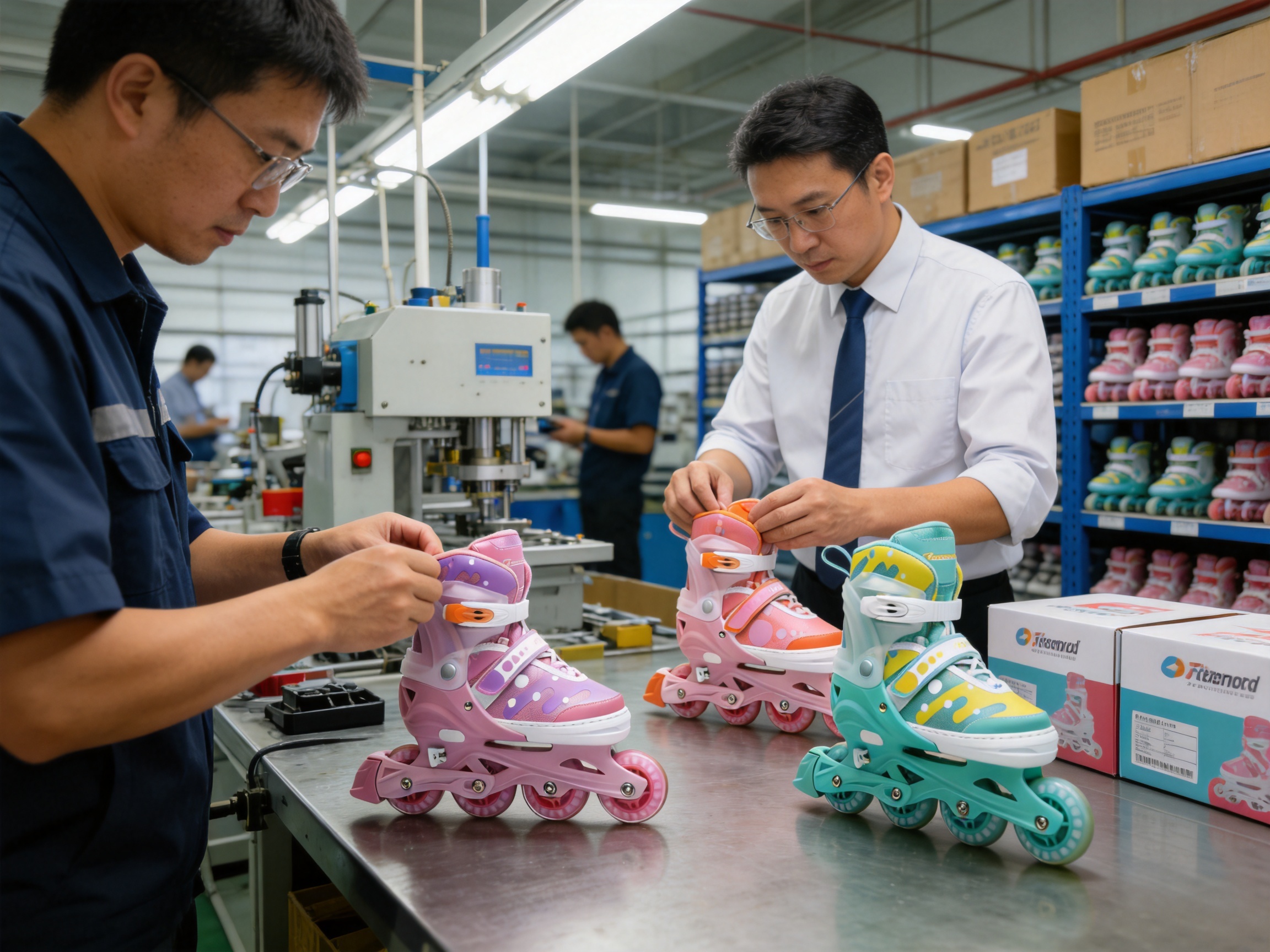
Choosing inline skates for children requires more than selecting an attractive color or a low purchase price. A suitable pair must combine safety, stability, comfort, durability, adjustability, and easy control. Parents and buyers also need confidence that the product has been manufactured under a reliable quality system and can satisfy the compliance requirements of different sales channels. The BW-230-4 CPC Certificate Inline Skate is designed around these practical expectations, offering a balanced solution for children, teenagers, beginners, retailers, importers, and cross-border sporting-goods suppliers.
The BW-230-4 is a certified inline skate model developed for children’s recreational skating and beginner training. According to the supplied product information, the complete skate has passed US CPC safety certification requirements. It uses materials selected for safe and environmentally responsible use, incorporates a stable frame, provides a flexible and breathable upper, and includes multiple size adjustment levels so that children can continue using the skates as their feet grow.
In a competitive inline-skate market, products often differ significantly in construction quality, comfort, adjustability, and manufacturing consistency. Some low-cost models may look similar at first glance but lack sufficient structural support, have limited adjustment, or become uncomfortable during longer use. The BW-230-4 addresses these concerns by combining compliant production, carefully tested components, smooth handling, and a value-oriented design suitable for everyday indoor and outdoor skating on flat surfaces.
A Product Built Around Children’s Safety
Safety is the central consideration when selecting sports equipment for children. Inline skating involves movement, balance, turning, braking, and occasional contact with uneven surfaces. A product that does not provide adequate support can make learning difficult and may increase the risk of unstable foot positioning. The BW-230-4 is designed to give young skaters a dependable foundation while they develop balance and confidence.
The complete skate has undergone CPC-related safety certification according to the provided information. This is an important advantage for businesses serving the United States market or operating through cross-border e-commerce platforms. Certification helps buyers evaluate whether a product has been prepared for applicable children’s-product compliance expectations. It also gives retailers a more credible product story when presenting the skates to parents and guardians.
Certification alone does not replace responsible use, protective equipment, supervision, or appropriate skating environments. However, it is a meaningful part of a complete safety strategy. The BW-230-4 combines the stated certification with compliant materials, pressure testing, stable structural components, and quality-control procedures. This multi-level approach is more reassuring than relying only on visual appearance or a basic factory inspection.
The materials are described as free from harmful additives, and the manufacturing process includes rigorous workmanship and quality control. For children’s sporting goods, this attention is especially valuable because skates may be worn for extended periods and handled frequently. A product with controlled material selection and consistent assembly can support a more reliable experience for both families and distributors.
Supportive Structure for Developing Skaters
Young skaters need equipment that supports the foot without making movement unnecessarily rigid. The BW-230-4 uses a stable frame designed to resist deformation under normal use. The supplied information states that the structure has undergone compliant pressure testing, helping ensure that the frame remains stable and provides dependable support.
A stable frame can help reduce unwanted foot movement inside the skate. When the foot remains properly supported, beginners can focus on learning basic actions such as standing, rolling forward, controlling speed, and turning. A less stable skate may cause the foot to wobble, forcing the child to compensate with the ankle and reducing confidence. By contrast, a well-supported design can make the early learning process more comfortable and manageable.
The frame also contributes to the overall service life of the product. Children’s equipment is frequently placed in storage areas, transported to parks, or shared among siblings. Stronger structural components are better prepared for regular handling and repeated recreational use. This durability can be an important advantage for retailers and families seeking better long-term value rather than a product intended for only occasional use.
Easy Control for Beginners
One of the strongest practical features of the BW-230-4 is its calibration toward smooth and easy control. The design is described as providing a gentle gliding feel, allowing children without previous skating experience to adapt quickly. This characteristic is particularly important because a beginner-friendly skate should not overwhelm the user with aggressive speed or difficult handling.
Easy control supports a gradual learning process. Children can first become familiar with standing on the skates, then practice short forward movements before progressing to turns and longer glides. When the equipment responds in a predictable way, beginners can build confidence through repetition. A smooth skating feel can also help parents and instructors teach basic techniques more effectively.
Compared with poorly balanced or overly fast entry-level products, a skate calibrated for controlled movement can offer a more approachable experience. It helps reduce the gap between putting on the skates and feeling comfortable while moving. This can be especially useful for younger users who may become discouraged if the product feels unstable, difficult to steer, or too demanding during their first sessions.
The BW-230-4 is intended for flat indoor and outdoor surfaces, such as suitable skating areas, plazas, parks, school recreation spaces, and other level environments. It is not presented as a high-performance racing skate or an extreme-terrain model. Its advantage lies in accessible control and dependable everyday performance for recreational users, beginners, and families.
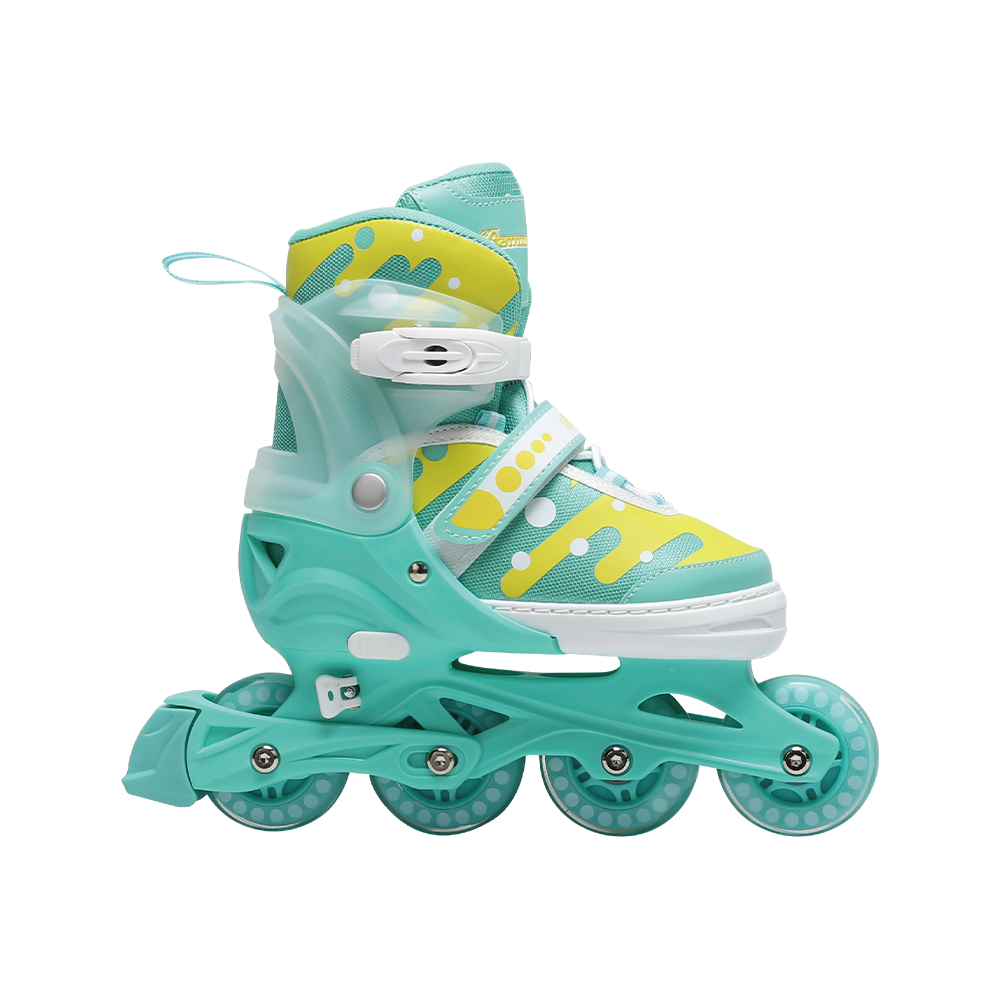
BW-230-4 CPC Certificate Inline Skate
Adjustable Sizing for Growing Children
Children’s feet change quickly, which can make fixed-size sports equipment expensive and inconvenient. A pair that fits properly at the time of purchase may become too small after a relatively short period. The BW-230-4 addresses this issue with multi-level adjustable sizing, allowing the skate length to accommodate changes in the child’s foot as the child grows.
The available size ranges are 31–34, 35–38, and 39–42. This range structure gives families and retailers a practical way to select a product that can serve the user for a longer period. Instead of replacing the entire pair after one season, parents may be able to adjust the skates as the child’s foot develops, provided the selected range remains appropriate and the fit continues to be comfortable and secure.
Adjustability also creates advantages for retailers. A product with several size settings can reduce the number of separate stock-keeping units needed to cover a broad customer group. It can simplify inventory planning, improve shelf efficiency, and support a more attractive value proposition for shoppers. For importers and distributors, adjustable sizing may help make the product suitable for a wider range of children and teenagers.
A correct fit remains essential. The adjustment mechanism should be set according to the child’s current foot length, and the skate should hold the heel and ankle securely without causing pressure. Parents should check the fit regularly, especially during periods of rapid growth. Adjustable sizing is a useful design feature, but it should always be used together with proper fitting and responsible supervision.
Value Beyond a Single Season
The ability to extend the useful fitting range provides an economic advantage over many fixed-size alternatives. A family purchasing a fixed-size skate may have to replace the product when the child’s foot grows. With a multi-level adjustable model, the same product may remain usable across more than one growth stage. This can lower the total cost of ownership and reduce unnecessary product consumption.
For stores, the value proposition can be communicated clearly: one adjustable pair may serve several stages of a child’s development. This is particularly appealing to parents comparing products on both price and durability. It also supports gift purchases, because the product can accommodate moderate growth instead of becoming unsuitable after a short time.
Adjustability may also benefit families with more than one child when the size range and hygiene requirements are appropriate. The product can potentially be passed to a younger sibling after cleaning and inspection. Retail buyers can therefore position the BW-230-4 as a practical, reusable, and family-oriented item rather than a disposable seasonal accessory.
Comfortable Materials for Extended Wear
Comfort plays a major role in whether children continue practicing a sport. If skates cause excessive heat, moisture, rubbing, or pressure, the child may want to stop using them even when interested in skating. The BW-230-4 uses a flexible composite-fabric upper designed to fit naturally around the foot while supporting breathability and moisture management.
The flexible upper allows the skate to follow the foot more naturally than an excessively rigid exterior. This can help children feel less restricted while learning basic movements. The breathable and moisture-wicking qualities described in the product information are also useful during longer recreational sessions, particularly in warm weather or during active play.
Comfort should not be viewed separately from safety. A child who experiences discomfort may loosen the fastening system, shift the foot, or adopt an unstable posture. A comfortable upper encourages the user to keep the skate properly secured and maintain a more consistent stance. By combining flexible fit with a stable frame, the BW-230-4 aims to balance freedom of movement and structural support.
Parents should select suitable socks, ensure that the foot is positioned correctly, and check for signs of rubbing or pressure. Skates should be dried after use and stored in a ventilated location. These simple practices can help preserve the upper materials and improve comfort over time.
Durability for Everyday Recreation
Children’s sporting goods must withstand more than the physical demands of normal skating. They are also exposed to frequent transport, storage, adjustment, cleaning, and general handling. The BW-230-4 uses sturdy components intended for regular indoor and outdoor recreational skating on flat surfaces. The product information emphasizes wear resistance and long-term peace of mind.
Durability is an important differentiator between a carefully engineered skate and an entry-level product that prioritizes appearance over construction. A durable frame, reliable upper, and properly assembled components can help the skate remain serviceable through repeated sessions. This is valuable for families that expect their children to practice regularly and for stores that want to reduce complaints related to premature wear.
The model is positioned for daily recreational skating rather than professional competition. Its intended applications include outdoor leisure, beginner learning, light exercise, and family activities. When used on appropriate surfaces and maintained correctly, the skates can provide a dependable platform for children to develop an interest in skating.
Appropriate Use and Maintenance
To protect the product and the user, the skates should be used on smooth, level surfaces that are suitable for inline skating. Rough pavement, loose gravel, wet ground, steep slopes, and areas with heavy traffic can increase risks and accelerate wear. Children should wear a helmet, wrist guards, elbow pads, and knee pads, especially during the learning stage.
After each session, users should remove dirt and moisture from the exterior. The skates should not be stored while wet because moisture may affect textile materials and metal components. Fastening systems should be checked before every use, and the frame, wheels, and other visible parts should be inspected for looseness, cracks, or unusual wear.
Retailers can add value by providing customers with basic care guidance. Clear instructions help families understand how to protect their investment and may reduce avoidable service issues. Distributors can also use maintenance information as part of product education, demonstrating that the BW-230-4 is supported by a practical and responsible product-use concept.
Manufacturing Strengths Behind the Product
The performance of an inline skate depends heavily on manufacturing discipline. A good design can lose its value if materials are inconsistent, molds are inaccurate, stitching is weak, or final assembly is not carefully controlled. The manufacturer of the BW-230-4 has an integrated production structure that supports multiple stages of development and manufacturing.
Ningbo Feile Sporting Goods Co., Ltd. was established in 2010 and specializes in children’s scooters, inline skates, roller skates, and ice skates. The company operates from Yuyao, Ningbo, Zhejiang Province, in an area recognized for its plastics manufacturing resources. Its location provides access to established industrial suppliers, transportation networks, and the broader manufacturing infrastructure of the Yangtze River Delta.
The company has more than 200 employees and a workshop covering approximately 20,000 square meters. It operates five advanced automatic production lines and maintains a professional research and development engineering team. These resources provide an important foundation for producing children’s sports equipment in consistent volumes while continuing to improve product design.
The facilities include mold, injection molding, sewing, and assembly workshops. This combination is significant because it allows the company to coordinate several key processes within one manufacturing system. Molds influence dimensional accuracy, injection molding supports the production of plastic components, sewing contributes to upper construction, and assembly brings the frame, boot, adjustment system, and other parts together into a finished product.
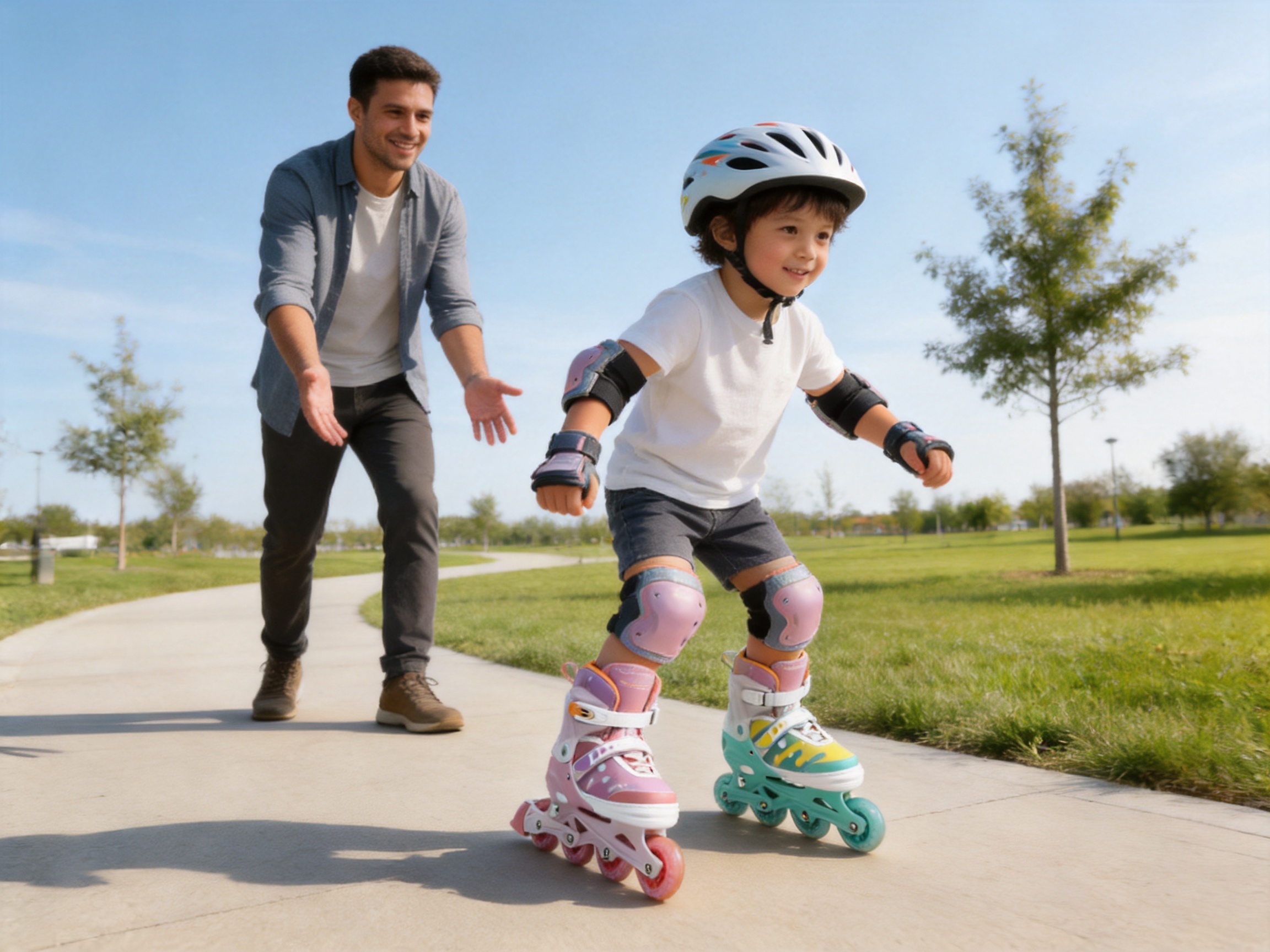
Integrated Mold and Injection Molding Capabilities
Inline skates rely on accurately formed structural and cosmetic components. Mold quality affects fit, consistency, surface finish, and the repeatability of production. An in-house or closely controlled mold capability can help manufacturers respond to product development needs and maintain more consistent component dimensions.
Injection molding is especially relevant to children’s sporting goods because it supports the production of durable plastic parts in repeatable shapes. Controlled molding parameters can contribute to stable dimensions and predictable assembly. For a product such as the BW-230-4, this helps support the frame, adjustment elements, fastening components, and other molded parts that influence user comfort and performance.
Integrated production also improves communication between design and manufacturing teams. When engineers can work directly with mold and injection specialists, they can identify potential assembly challenges earlier and refine the design for manufacturability. This may reduce production variation and improve the efficiency of future product updates.
Professional Sewing and Assembly Workshops
The upper is an important part of both comfort and appearance. A professional sewing workshop can help control fabric cutting, stitching, reinforcement, and finishing. Consistent sewing quality supports a more natural fit and helps the upper withstand repeated flexing during skating.
Assembly is the stage where individual components must work together as a complete product. The frame must be aligned, the upper must be positioned correctly, the adjustment mechanism must operate smoothly, and fasteners must be installed with appropriate consistency. A disciplined assembly process helps ensure that products leaving the factory provide a uniform experience across different production batches.
Automatic production lines can further improve repeatability for suitable operations. Automation does not eliminate the need for skilled personnel or inspection. Instead, it can support stable production while trained workers, engineers, and quality-control staff monitor key points and address deviations.
Quality Systems and International Market Readiness
The company has passed ISO9001 and BSCI-related factory certification systems and has also received Kmart factory certification, according to the supplied company information. These systems and assessments demonstrate an emphasis on quality management, responsible factory practices, and the ability to serve professional purchasing organizations.
For international buyers, factory credentials are an important part of supplier evaluation. Buyers need to consider not only product price but also production capacity, consistency, compliance documentation, communication, audit readiness, and after-sales cooperation. A manufacturer with established management systems can provide a more structured basis for long-term business relationships.
The company also participates in international exhibitions and has more than 30 college-educated management staff. These capabilities support communication with overseas customers and help the company monitor market trends. Regular exposure to international buyers can help manufacturers understand differences in customer preferences, packaging expectations, product regulations, and sales-channel requirements.
The company’s stated certifications include 3C, CE, EN71, EN62115, ASTM, EMC, and EN13843:2009 for relevant products. Certification applicability depends on the specific model, market, and product category, so importers should request current documentation for the exact BW-230-4 configuration before placing an order. Nevertheless, the broader certification experience indicates that the manufacturer is familiar with the compliance expectations associated with children’s sporting goods.
Advantages for Importers and Retailers
The BW-230-4 is suitable for buyers seeking a certified children’s inline skate that combines approachable performance with practical commercial advantages. Its CPC-related compliance positioning can help importers prepare product information for cross-border e-commerce and export orders. Retailers can also use certification and safety-focused construction as key points in product training and consumer communication.
Adjustable sizing is another commercial strength. The 31–34, 35–38, and 39–42 ranges cover several stages of childhood and adolescence. This can make the product easier to merchandise because each size group has broader fitting potential than a single fixed size. It may also reduce the risk that customers reject the product because of limited size availability.
The combination of safety, comfort, durability, and affordable pricing gives the product a balanced position. Some premium products may provide advanced performance features that are unnecessary for beginners, while some low-cost products may provide insufficient support or limited durability. The BW-230-4 is aimed at the practical middle ground: dependable enough for regular recreational use and accessible enough for families, schools, general sporting-goods stores, and export distributors.
For online sellers, the product can be presented through several complementary benefits. The listing can emphasize CPC certification, adjustable sizing, beginner-friendly control, breathable materials, structural stability, and intended use on flat surfaces. Clear product education can help reduce misunderstandings and improve customer satisfaction.
| Product Feature | Practical Benefit | Commercial Value |
|---|---|---|
| CPC-certified product positioning | Supports children’s safety and compliance communication | Useful for cross-border sales and export-oriented purchasing |
| Multi-level adjustable sizing | Accommodates foot growth within the selected range | Improves value perception and simplifies size planning |
| Smooth, easy-to-control calibration | Helps beginners learn basic gliding and balance | Broadens appeal among first-time users |
| Flexible composite-fabric upper | Supports a natural fit, breathability, and moisture management | Strengthens comfort-focused product positioning |
| Pressure-tested stable frame | Provides support and helps resist deformation | Contributes to durability and lower complaint risk |
| Integrated production resources | Coordinates molding, sewing, and assembly processes | Supports consistent OEM and bulk production |
OEM and Bulk Order Potential
The manufacturer’s product specialization and factory resources are suitable for customers seeking OEM or long-term supply cooperation. A company with mold, injection molding, sewing, assembly, engineering, and automatic production capabilities can support more than simple product trading. It can participate in product adaptation, packaging coordination, production planning, and quality-control communication.
For bulk buyers, consistency is often more important than one-time sample appearance. The supplier must be able to reproduce the approved sample across multiple batches. A structured factory environment with dedicated production lines and quality procedures can help support this requirement. Buyers should still confirm minimum order quantities, lead times, packaging specifications, color options, customization scope, inspection procedures, and documentation before finalizing a commercial agreement.
The BW-230-4 can be considered for sporting-goods retailers, children’s product distributors, school and recreation suppliers, online marketplaces, import companies, and promotional programs. Its broad beginner and family appeal makes it suitable for channels where safety communication and reasonable pricing are both important.
Applications in Daily Life and Youth Sports
The BW-230-4 is intended for several practical use scenarios. Children and teenagers can use it for recreational skating in parks, plazas, and suitable outdoor areas. Families can include skating in weekend activities or after-school leisure. Beginners can use it as an introductory product while developing balance, coordination, and confidence.
Skating can also provide light physical activity. Regular recreational movement may help children spend more time outdoors and develop interest in active hobbies. The BW-230-4 is not positioned as a medical or athletic-performance device, but it can support a healthy leisure routine when used responsibly and combined with proper protective equipment.
For schools, clubs, and community organizations, an adjustable skate may be useful because several users can potentially be served across a broader size range. Institutional buyers should establish cleaning, fitting, inspection, and storage procedures to maintain hygiene and safety. Each user should receive instruction before skating, and equipment should be removed from service if it shows structural damage.
Beginners should start slowly in open, level areas without vehicle traffic or obstacles. They should learn to stand, roll, turn, and stop under supervision. The smooth control characteristics of the BW-230-4 can support this gradual progression, but no skate can replace instruction or protective gear.
How the BW-230-4 Compares with Basic Alternatives
When compared with basic fixed-size or minimally tested inline skates, the BW-230-4 offers several clear advantages. Its CPC certification positioning provides a stronger compliance narrative. Its adjustable size system can extend the product’s useful life. Its composite-fabric upper supports comfort, while its pressure-tested frame addresses structural stability. Its calibration for smooth control makes it more approachable for new users.
Some products may compete mainly through a lower initial price. However, the lowest purchase price does not always represent the lowest overall cost. If a skate becomes uncomfortable, deforms easily, cannot accommodate growth, or is difficult for a child to control, the family may need to replace it sooner or stop using it altogether. A product that balances certification, comfort, adjustability, and durability can provide better practical value over time.
Compared with advanced performance skates, the BW-230-4 is more accessible for ordinary families and first-time users. It focuses on controlled recreational skating rather than racing speed or specialized technical performance. This makes it a sensible choice for stores that want a broadly appealing model instead of a product limited to experienced athletes.
Compared with unverified products, the BW-230-4 gives importers a more organized foundation for product documentation. Buyers can request certification materials, factory information, quality records, and production details relevant to the intended market. This helps reduce uncertainty when preparing a product for regulated or professional sales channels.
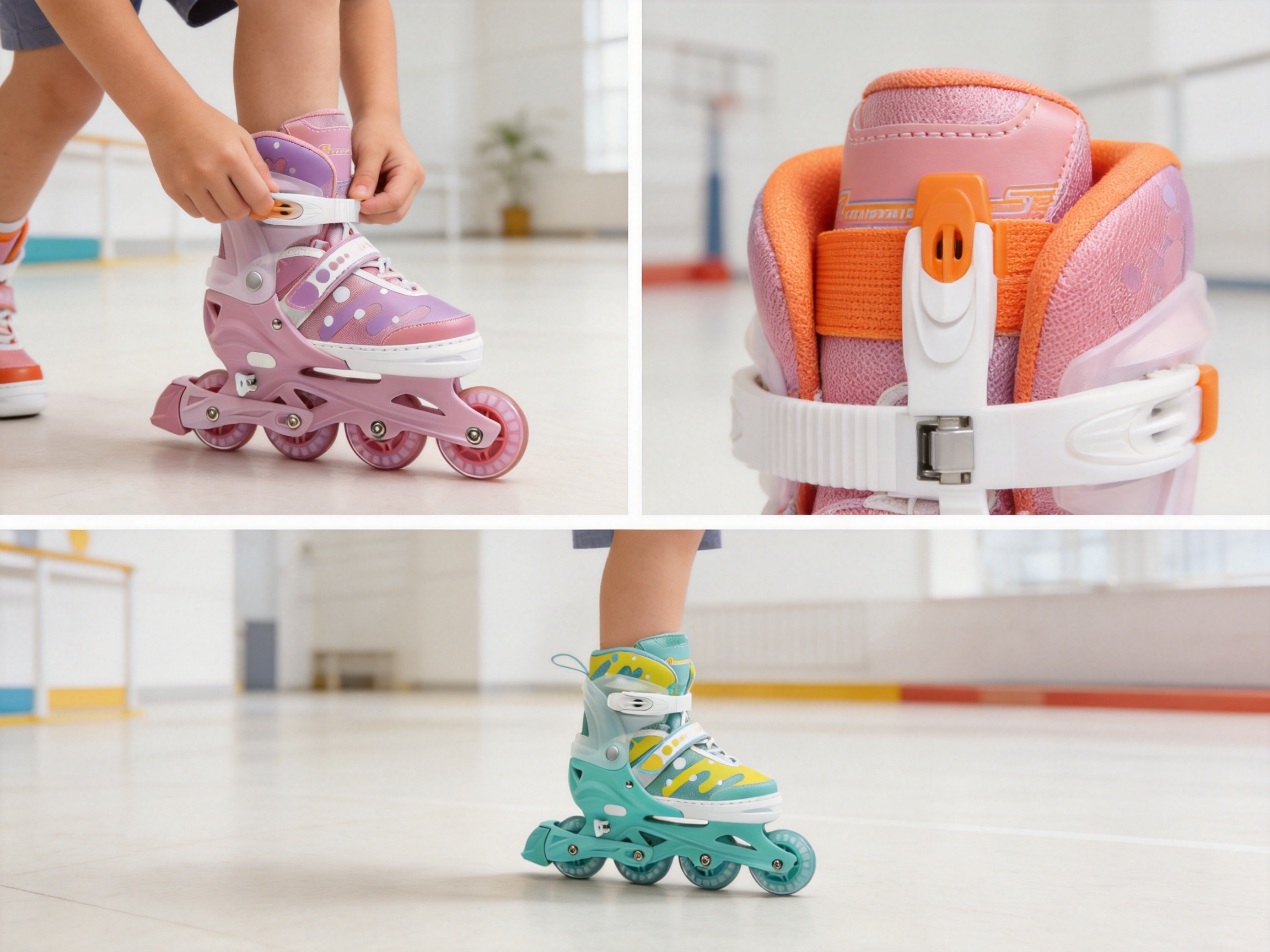
Packaging, Product Information, and Customer Confidence
A well-designed product listing should explain the BW-230-4 in clear, accurate language. Important information includes the model name, intended user group, size ranges, certification positioning, adjustment function, appropriate surfaces, safety recommendations, and care instructions. Avoiding exaggerated claims is important because parents and retailers need practical information rather than unrealistic promises.
Product photography should show the skate from several angles, including the upper, frame, wheels, adjustment area, fastening system, and overall profile. Dimension and carton information should be provided for logistics planning. The supplied carton dimensions are 540 × 410 × 290 millimeters for size range 31–34, 560 × 420 × 305 millimeters for size range 35–38, and 600 × 430 × 315 millimeters for size range 39–42.
| Size Range | Carton Dimensions | Planning Consideration |
|---|---|---|
| 31–34 | 540 × 410 × 290 mm | Suitable for the smallest listed size group |
| 35–38 | 560 × 420 × 305 mm | Mid-range carton planning for growing users |
| 39–42 | 600 × 430 × 315 mm | Larger carton requirement for the biggest listed range |
Accurate carton data helps buyers estimate warehouse space, container utilization, shipping costs, and retail storage requirements. Importers should confirm whether these dimensions refer to individual cartons, master cartons, or another packaging unit before making a logistics plan. They should also confirm the number of pairs per carton, gross weight, net weight, packaging materials, and labeling requirements.
Customer confidence is strengthened when product information is complete. A buyer who understands how the adjustment system works, which surfaces are appropriate, and what safety equipment is recommended is more likely to have a positive experience. Retail staff can use the same information to help customers choose the correct size and understand the product’s intended performance.
Quality-Control Priorities for a Reliable Skate
Quality control for inline skates should cover materials, dimensions, assembly, function, and appearance. Incoming materials should be checked against approved specifications. Molded components should be inspected for defects, warping, flash, cracks, or dimensional variation. Textile components should be checked for stitching quality, fabric damage, and correct positioning.
During assembly, inspectors should confirm that structural parts are correctly aligned and that fasteners are secure. The adjustment mechanism should operate smoothly across its available positions. The upper should be attached evenly, with no exposed sharp edges or loose threads that could affect comfort. Wheels and related components should be reviewed for correct installation and free movement.
Functional inspections can include adjustment checks, visual stability checks, pressure-related evaluations, and sample testing according to the applicable quality plan. Packaging inspections should confirm that the correct size range, labels, user information, and accessories are included. These controls help create a consistent finished product and support reliable export preparation.
The supplied information states that the entire structure has undergone compliant pressure testing. Buyers should request the relevant test reports and confirm the test scope for the exact model and production configuration. Documentation is particularly important for importers who need to demonstrate compliance to marketplace operators, customs authorities, retail partners, or internal purchasing departments.
Responsible Product Positioning
The BW-230-4 should be marketed as a certified, adjustable, beginner-friendly recreational inline skate for children and teenagers. This positioning accurately reflects its strengths. It should not be presented as suitable for every terrain, all weather conditions, professional racing, or unrestricted high-speed use. Clear positioning helps protect the user and supports a more trustworthy brand and retailer reputation.
Safety communication should explain that children need appropriate protective equipment and supervision. Parents should select a suitable skating area and teach basic movement and stopping techniques. The skates should be checked before each use, and damaged components should be repaired or replaced through an appropriate service process.
Responsible positioning also benefits business customers. Retailers that provide realistic guidance tend to receive fewer avoidable complaints and build stronger customer relationships. Importers can use compliance documentation and accurate technical information to prepare product listings that meet marketplace expectations without making unsupported claims.
Why This Model Fits the Export Market
Export buyers often look for products that combine safety documentation, consistent production, useful design features, and competitive pricing. The BW-230-4 meets these purchasing priorities through its CPC certification positioning, adjustable sizing, smooth handling, comfortable upper, stable frame, and production support.
The manufacturer’s experience in children’s scooters, inline skates, roller skates, and ice skates allows it to focus on a specialized product category rather than treating skates as a secondary product. Its engineering team, production workshops, automatic lines, certifications, and international exhibition experience create a foundation for cooperation with overseas customers.
The product also fits the needs of retailers that want an accessible model with several sales arguments. Parents can understand the benefits of growth-friendly sizing and beginner-oriented control. Buyers responsible for compliance can focus on CPC-related documentation and factory quality systems. Store managers can emphasize comfort and durability. These different advantages make the product easier to present across multiple channels.
For cross-border e-commerce, the model can be described with concise, search-friendly terms such as children’s adjustable inline skates, CPC-certified inline skates, beginner rollerblades, youth recreational skates, and adjustable skating equipment. Product pages should still use precise information and avoid implying certification beyond the scope of the available documentation.
Frequently Asked Questions
What is the BW-230-4?
The BW-230-4 is a children’s adjustable inline skate designed for recreational skating, beginner training, light exercise, and outdoor leisure on suitable flat surfaces. It is described as a CPC-certified model using compliant materials and a pressure-tested structure.
What size ranges are available?
The listed size ranges are 31–34, 35–38, and 39–42. Each range provides multiple adjustment levels so that the skate can accommodate moderate changes in foot size as a child grows.
Is this model suitable for beginners?
Yes. The model is calibrated for smooth and easy control, with a gentle gliding feel intended to help children with no prior experience adapt to inline skating. Beginners should still learn gradually and use appropriate supervision and protective equipment.
What surfaces are recommended?
The skates are intended for everyday indoor and outdoor skating on flat, suitable surfaces. Smooth skating areas, plazas, parks, and other level recreational spaces are preferable. Wet ground, loose gravel, steep slopes, rough pavement, and areas with traffic should be avoided.
Does the product include safety equipment?
The provided product information describes the inline skates themselves. Buyers should confirm the contents of the specific package with the supplier. Regardless of package contents, children should use a helmet, wrist guards, elbow pads, and knee pads while skating.
What is the advantage of the flexible composite-fabric upper?
The flexible upper is designed to fit naturally around the foot while supporting breathability and moisture management. This can improve comfort during extended recreational use and help the child maintain a more consistent foot position.
How does the frame support skating performance?
The frame has undergone structural pressure testing according to the supplied information and is designed to resist deformation. Its stability helps support the foot and may reduce unwanted wobbling during basic skating movements.
Is the BW-230-4 suitable for professional racing?
The product is positioned as a recreational and beginner-friendly inline skate. It is not described as a specialized racing or extreme-performance model. Buyers seeking professional competition equipment should evaluate products designed specifically for that purpose.
What certification is associated with the model?
The supplied product information states that the complete skate has passed US CPC safety certification. Importers should request current certification and test documents for the exact model, configuration, market, and production batch before completing an order.
What manufacturing capabilities does the supplier have?
The supplier operates mold, injection molding, sewing, and assembly workshops, has five automatic production lines, employs more than 200 people, and maintains a professional research and development engineering team. The company also reports ISO9001, BSCI, and Kmart factory certification systems, along with experience in multiple international product certifications.
Can the product be considered for OEM or bulk purchasing?
Yes. The company’s specialized product focus, engineering resources, production lines, and integrated workshops make the model suitable for discussion with importers, distributors, retailers, and OEM customers. Buyers should confirm customization options, minimum order quantities, packaging, lead times, inspection procedures, and documentation requirements.
How should the skates be maintained?
Users should wipe away dirt and moisture after skating, allow the skates to dry in a ventilated place, inspect the frame and fastening system before use, and check for cracks, looseness, or unusual wear. The product should be used according to the supplied instructions and stored away from excessive heat and moisture.
Conclusion
The BW-230-4 CPC Certificate Inline Skate is a practical solution for children and teenagers who are beginning to explore inline skating or seeking a dependable recreational product. Its key strengths include CPC certification positioning, safe material selection, a stable pressure-tested frame, a flexible and breathable upper, smooth control, multi-level adjustable sizing, and wear-resistant construction for everyday use.
These features give the model advantages over many basic alternatives that may offer limited adjustment, weaker structural support, less comfortable materials, or insufficient compliance information. The BW-230-4 is not designed to compete as a specialized professional racing skate. Instead, it focuses on the needs of families, beginners, retailers, schools, distributors, and export buyers who value safety, comfort, ease of use, durability, and reasonable cost.
The manufacturing capabilities behind the product further strengthen its market potential. With integrated mold, injection molding, sewing, and assembly workshops, automatic production lines, engineering resources, factory certification systems, and experience serving international markets, the supplier can support both product quality and commercial cooperation. For buyers seeking children’s skating equipment with a balanced feature set and export-oriented production support, the BW-230-4 offers a well-rounded option.
References
1. Product specification and technical information supplied for the BW-230-4 CPC Certificate Inline Skate.
2. Company profile and manufacturing capability information supplied for Ningbo Feile Sporting Goods Co., Ltd.
3. Consumer Product Safety Commission, general guidance concerning children’s product compliance and certification records.
4. ISO 9001, Quality Management Systems—Requirements.
5. ASTM International, standards and guidance relevant to roller and inline skating equipment.
6. European Committee for Standardization, EN 13843:2009, Personal equipment for sports—Roller sports equipment—Inline skates.
7. General child sports-equipment safety and protective-gear recommendations for recreational skating.
Product: BW-230-4 CPC Certificate Inline Skate
Recommended Articles

Get in Touch
Your email address will not be published. Required fields are marked *
Have a project in mind? Contact with us!
We are happy to answer your questions. Please fill out this form
and one of our professional team will get back to you as soon as possible.

We specialize in producing various types of children's toy cars, children's skateboards, and ice skates.
