
 En
En
 Español
 русский
 عربى
عربى
Why an Aluminum Chassis Matters in Adjustable Inline Skates
Date:Aug 12, 2026
Content
- 1 Product Overview
- 2 The Importance of an Aluminum Chassis
- 3 Adjustable Sizing for Growing Feet
- 4 Beginner-Friendly Control
- 5 Comfort-Oriented Construction
- 6 Practical Use Scenarios
- 7 Advantages Compared with Basic Alternatives
- 8 Manufacturing Strengths and Production Capabilities
- 9 Quality Systems and Certifications
- 10 OEM and Sourcing Opportunities
- 11 Safety and Maintenance Guidance
- 12 How to Choose the Correct Size
- 13 Positioning in the Market
- 14 Q&A
- 14.1 What is the main advantage of the BW-230-1 inline skate?
- 14.2 Is the skate suitable for beginners?
- 14.3 What size ranges are available?
- 14.4 How does the adjustable design help families?
- 14.5 Does the product include a carrying bag?
- 14.6 Is the aluminum chassis completely damage-proof?
- 14.7 Can the skate be used for professional racing?
- 14.8 What materials support foot comfort?
- 14.9 Where can the skates be used?
- 14.10 What should buyers confirm before an OEM order?
- 14.11 What manufacturing capabilities does the supplier have?
- 14.12 Which certifications are associated with the manufacturer’s products?
- 15 Conclusion
- 16 References
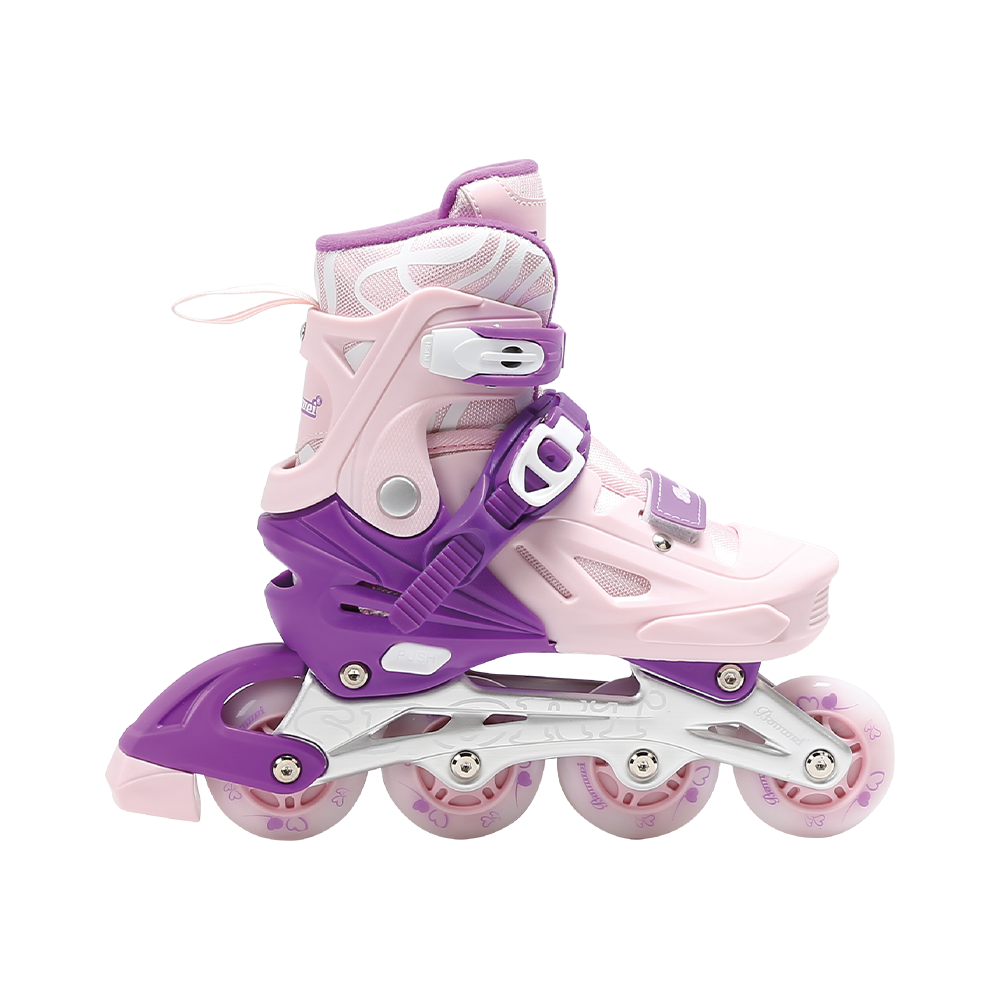
- 17 Product: BW-230-1 ALUM chassis inline skate
Inline skating is one of the most accessible ways for children and beginners to develop balance, coordination, confidence, and an interest in active outdoor recreation. However, the quality of an inline skate can strongly influence the learning experience. A frame that flexes excessively, a poorly fitting boot, difficult size adjustment, or inadequate ventilation can make skating uncomfortable and discourage new users. For families, retailers, and professional buyers, selecting a skate that combines stability, comfort, durability, adjustability, and practical value is therefore essential.
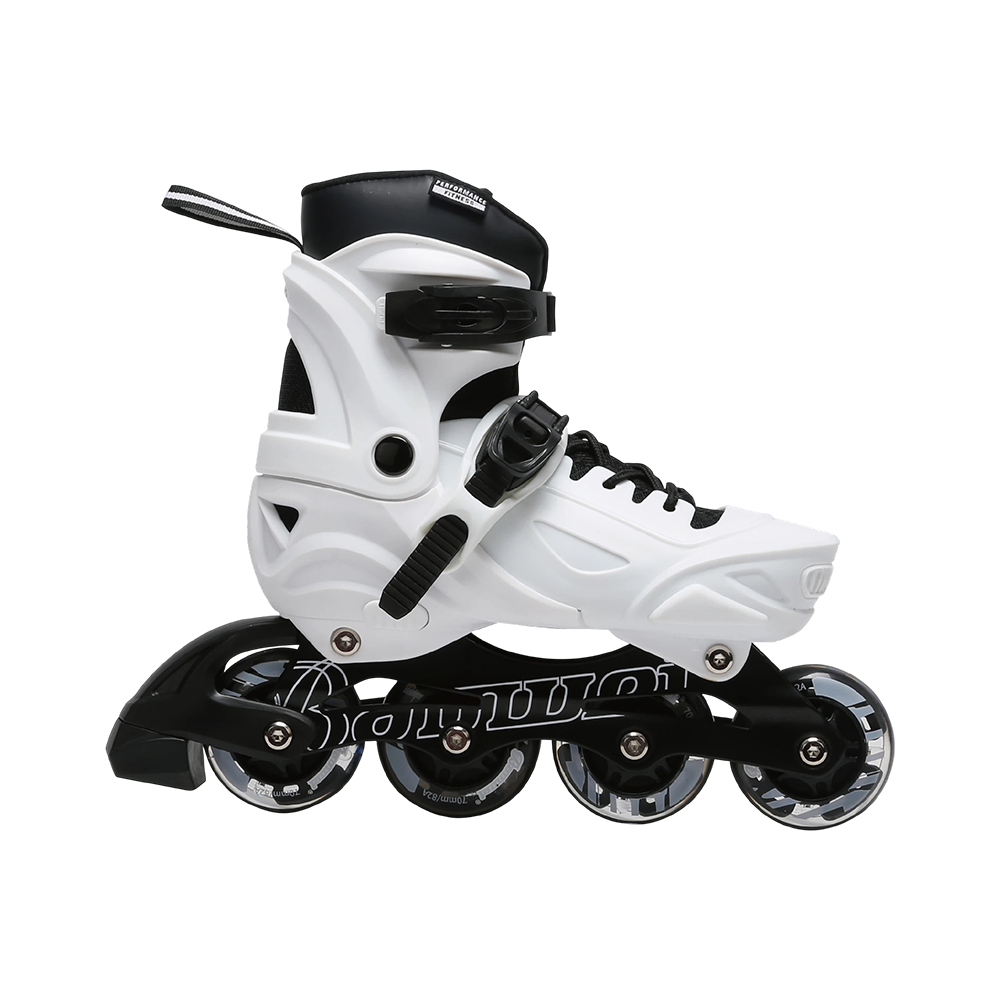
The BW-230-1 ALUM chassis inline skate is designed to address these requirements with a professional aluminum alloy chassis, a multi-size adjustment system, a breathable upper, supportive cushioning, and an included carrying bag. It is positioned as a practical solution for children, older teenagers, beginners, and recreational users who need a reliable skate for basic practice and everyday gliding.
Its central advantage is the aluminum chassis. Compared with less rigid conventional frame constructions, an aluminum chassis can provide a firmer platform beneath the foot and help maintain a more consistent relationship between the boot, wheels, and skating surface. This structural quality supports controlled movement while also contributing to durability during ordinary impacts, friction, and repeated use.
At the same time, the product is not limited to structural performance. Its three adjustable size ranges help accommodate growing feet, while the breathable, skin-friendly upper and inner cushioning layer are intended to make extended practice more comfortable. The included carrying case adds convenience for families, schools, retailers, and users who need to transport or store the skates efficiently.
Product Overview
The BW-230-1 ALUM chassis inline skate is an adjustable inline skate shoe developed for entry-level learning, recreational gliding, and light daily exercise. It is available in three adjustable size ranges:
| Adjustable Size Range | Recommended User Group | Listed Package Dimensions |
|---|---|---|
| 31–34 | Children with smaller foot lengths | 540 × 410 × 290 mm |
| 35–38 | Older children and younger teenagers | 560 × 420 × 305 mm |
| 39–42 | Teenagers and larger-footed recreational users | 600 × 430 × 315 mm |
The size ranges are intended to accommodate foot growth and reduce the need to replace the entire skate whenever the wearer moves into the next size. Buyers should still consult the final size chart, insole measurements, and adjustment instructions before ordering, because foot shape and personal fit preferences vary.
The skate uses a professional aluminum alloy chassis designed to offer greater rigidity and support than basic frame styles. The construction is intended to resist twisting, bending, loosening, and deformation during ordinary practice. This is particularly important for beginners, who may place uneven loads on the chassis while learning to stand, turn, brake, and recover balance.
The upper uses flexible and durable fabric with a breathable construction. An inner cushioning layer supports the foot and helps reduce pressure, rubbing, and discomfort during longer sessions. The skate also includes a simple carrying bag, providing a convenient way to keep the pair together during transport and storage.
In practical terms, the BW-230-1 is designed to sit between a basic children’s recreational skate and a more performance-focused aluminum-frame model. It offers a stronger structural foundation than many entry-level alternatives while retaining the comfort, adjustability, and ease of use expected by families and first-time skaters.
BW-230-1 ALUM chassis inline skate
The Importance of an Aluminum Chassis
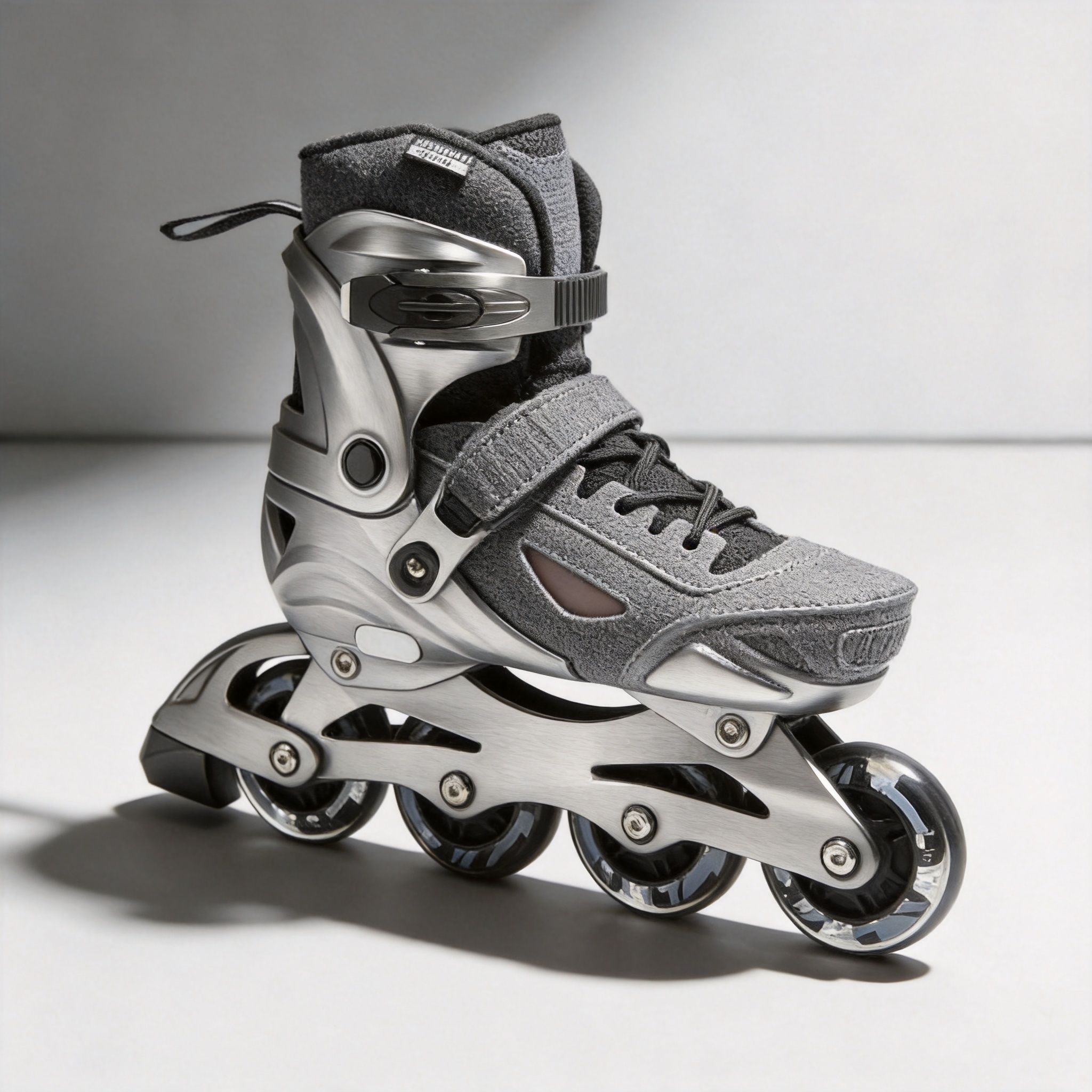
The chassis, sometimes called the frame, is the structural component connecting the boot to the wheel system. It transfers the skater’s weight and movement to the wheels and receives the forces generated during gliding, turning, stopping, and occasional contact with uneven surfaces. The frame therefore has a major influence on stability, responsiveness, and long-term product performance.
An aluminum chassis is valued for its balance of rigidity, strength, and relatively low weight. A rigid frame can help reduce unwanted flex beneath the foot. When the frame remains more stable under load, the skater receives a more predictable response from the wheels. This can make basic movements easier to understand, especially for users who are still learning how body position affects direction and speed.
For beginners, predictability is often more valuable than aggressive performance. A frame that responds consistently gives the skater a clearer connection with the skating surface. When the user shifts weight toward one side, the skate is more likely to communicate that change directly rather than absorbing it through excessive frame movement. This can support the gradual development of balance and control.
The aluminum structure also offers practical benefits for daily use. Children’s skates may encounter minor impacts against curbs, ramps, floor edges, or other objects. During storage and transport, the chassis may be exposed to bumps or pressure. A robust aluminum frame is designed to tolerate these ordinary conditions while maintaining its basic shape and support.
Compared with less rigid conventional frame styles, the BW-230-1’s aluminum chassis is intended to be less prone to twisting and bending under stress. This can help maintain a more stable center of gravity during skating. A stable center of gravity is useful when the skater is practicing straight-line gliding, gentle turns, gear changes, or controlled stopping.
Structural rigidity should not be confused with complete protection from damage. No inline skate is indestructible, and aluminum components can still be damaged by severe collisions, misuse, overloading, or improper maintenance. Users should follow appropriate weight limits, inspect the chassis regularly, and avoid skating on unsuitable surfaces. Nevertheless, the aluminum construction provides a meaningful advantage for a product intended for repeated practice and recreational use.
Stability for New Skaters
New skaters often begin with a cautious, upright posture. They may place their feet too far apart, shift their weight suddenly, or apply pressure unevenly to the inner and outer edges of the wheels. These movements create additional demands on the chassis. A frame with a stable support platform can help reduce excessive movement and make the skate feel more secure under the foot.
The BW-230-1 is designed around this learning process. Its structure supports a stable skating base while its overall center-of-gravity design is intended to make basic gliding controls easier to manage. The result is a skate that can help beginners practice balance, forward movement, turning, and stopping without requiring an advanced technique from the first session.
Long-Term Structural Value
Durability is especially important in children’s products because the same pair of skates may be used frequently, shared among siblings, or passed to another child. A chassis that resists deformation can preserve the intended alignment of the wheel system for a longer period. This may contribute to a more consistent skating experience and reduce the likelihood of premature replacement caused by structural wear.
The aluminum frame also contributes to the product’s perceived value. Buyers do not receive only a basic adjustable boot; they receive an inline skate built around a stronger support component. This combination of an aluminum chassis, adjustable sizing, comfort-oriented materials, and carrying bag gives the product a broad use case at an accessible entry-level position.
Adjustable Sizing for Growing Feet
Children’s feet grow quickly, and fixed-size skates may become unsuitable after a relatively short period. Purchasing a new pair every time the foot grows can increase household costs and create unnecessary product waste. The BW-230-1 addresses this issue with three adjustable size ranges: 31–34, 35–38, and 39–42.
The multi-size adjustment system is designed to make size changes simple. Its one-button adjustment concept allows the length of the skate to be changed without complicated procedures. This makes it easier for parents or young users to set the appropriate size before practice. It also allows one pair to accommodate several stages of growth within the relevant range.
A correctly adjusted skate should hold the foot securely without crushing the toes or creating uncomfortable pressure points. The toes should not be forced against the front of the boot, and the heel should not lift excessively during movement. The user should wear the socks normally used for skating, adjust the skate carefully, and check the fit before beginning a session.
Adjustability also benefits retailers and distributors. A product available in three broad ranges can simplify inventory planning compared with a collection of many individual fixed sizes. Retailers can offer customers a practical growth-oriented option while reducing the amount of shelf space required for a complete size series.
For institutional buyers, such as sports schools or recreation centers, adjustable sizing can also improve equipment flexibility. A single range may be used by multiple children over time, provided that the equipment is cleaned, inspected, and correctly fitted for every user. This can make the product suitable for introductory programs and supervised group activities.
Fit and Comfort Considerations
Adjustability is useful only when combined with a supportive internal fit. The BW-230-1 includes an inner cushioning layer intended to conform to the foot and reduce pressure on the arch and surrounding areas. The cushioning is designed to help prevent discomfort and chafing during extended skating.
The upper is made from breathable, skin-friendly fabric. Ventilation is important because physical activity naturally increases warmth and moisture inside the boot. A breathable upper can help keep the foot cooler and drier than a fully enclosed, poorly ventilated construction. This is beneficial for children who may remain active for a long period during outdoor play or beginner training.
Comfort does not replace correct sizing. A breathable material cannot compensate for a skate that is too small, too loose, or improperly adjusted. Parents and instructors should check the fit regularly, particularly when the skates are used by growing children.
Beginner-Friendly Control
The BW-230-1 is designed for simple and easy-to-learn gliding control. Its stable structure and reasonable center-of-gravity design support the basic movements that beginners need to master. These include standing safely, moving forward, changing direction, controlling speed, and stopping.
Beginners typically benefit from equipment that does not feel overly aggressive. A highly responsive performance skate may be suitable for experienced users but can feel unstable to someone who has never skated before. The BW-230-1 takes a more approachable direction by emphasizing support and predictable movement.
Gear shifting, turning, and stopping are described as easy to control. In practical use, the skater should still learn these actions progressively under supervision. Initial practice should take place on a flat, smooth, and open surface away from traffic, stairs, steep slopes, and crowded areas.
The stable chassis can help the user maintain a more consistent foot position while practicing. When the foot is supported by a firm frame, the skater can focus more attention on posture and weight transfer. This may help shorten the adjustment period for users with no previous skating experience.
Balance Development
Inline skating requires the coordinated use of the ankles, knees, hips, and core muscles. The skater must keep the body centered over the wheel line while responding to changes in speed and direction. A supportive skate can make this learning process less intimidating.
The BW-230-1 is suitable for introductory balance exercises, such as standing with feet parallel, taking short controlled steps, gliding over a short distance, and practicing gentle turns. As the user becomes more confident, the skates can support longer recreational sessions and light exercise.
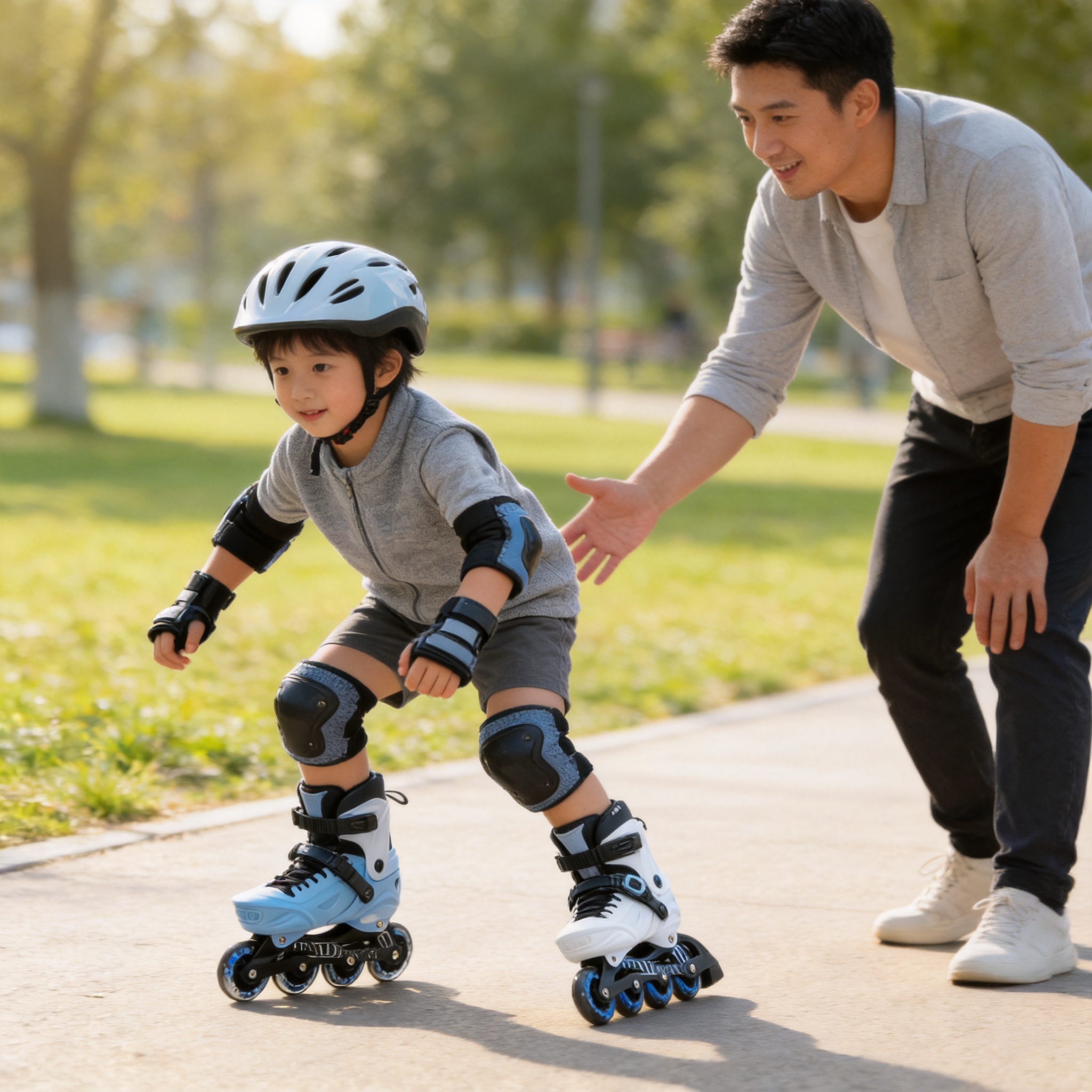
Parents and coaches should encourage a gradual learning sequence. Beginners should not be pressured to skate quickly before they can stop reliably. Protective equipment, including a helmet, knee pads, elbow pads, and wrist guards, should be worn during practice.
Comfort-Oriented Construction
Comfort affects whether a child wants to continue skating. If a boot causes rubbing, heat, pressure, or instability, the user may lose interest even when the activity itself is enjoyable. The BW-230-1 combines a breathable upper, flexible fabric, inner cushioning, and adjustable sizing to create a more accommodating fit.
The upper is described as flexible and durable. Flexibility allows the boot to move naturally with the foot while the user bends the knees and shifts position. Durability helps the material withstand regular handling, repeated fitting, and everyday recreational use.
Ventilation is another practical feature. Children often skate in warm weather or indoors where airflow may be limited. A breathable surface can help reduce the accumulation of heat and moisture. This does not eliminate the need to dry the skates after use, but it can improve comfort during activity.
The inner cushioning layer is intended to follow the shape of the arch and surrounding foot structure. Its role is to reduce concentrated pressure and limit contact friction. Users should still wear suitable sports socks and stop using the skates if persistent pain, numbness, or skin irritation develops.
Comfort During Longer Sessions
Although the BW-230-1 is suitable for beginners, it is not limited to very short practice periods. Its combination of chassis support and cushioning allows it to be used for daily recreational skating in parks, community trails, squares, and flat indoor surfaces.
Longer sessions should be approached responsibly. Beginners should take breaks, drink water, and inspect their feet for pressure points. Children should not continue skating through pain. Proper rest is part of safe sports participation and can help maintain enthusiasm for the activity.
Practical Use Scenarios
Basic Introductory Training
The BW-230-1 is well suited to children who are just beginning to learn inline skating. Its adjustable structure can accommodate growth, while its aluminum chassis provides a stable platform for balance exercises. The skate can be used in supervised lessons or at home for basic practice on suitable surfaces.
Early training should focus on fundamental movements rather than speed. The skater can practice standing, walking slowly in the skates, bending the knees, gliding in a straight line, and stopping under instruction. Once these skills are comfortable, gentle turns and changes in direction can be introduced.
Outdoor Family Recreation
The skate is also suitable for parent-child recreational activities. Families can use it on smooth park paths, community trails, plazas, and other flat areas where skating is permitted. Its carrying bag makes it easier to transport the skates to a suitable location and store them after use.
Outdoor surfaces should be checked before every session. Loose gravel, wet pavement, deep cracks, sand, leaves, and uneven paving can reduce traction and make control more difficult. The skates should be used only in areas appropriate for inline skating and away from vehicles.
Light Daily Exercise
Inline skating provides a form of light physical activity that engages the legs and challenges balance and coordination. Regular recreational sessions can encourage children to spend more time outdoors and develop positive exercise habits.
The BW-230-1 is intended for light exercise and recreational gliding rather than specialized racing, aggressive skating, jumping, or high-impact competition. Its strongest value lies in providing a stable and comfortable foundation for ordinary practice and enjoyment.
Advantages Compared with Basic Alternatives
Consumers often compare adjustable inline skates by looking at price alone. However, the lowest purchase price does not necessarily represent the best value. A skate that becomes uncomfortable, loses structural alignment, or is quickly outgrown may cost more over time because it must be replaced sooner.
The BW-230-1 offers several advantages over simpler alternatives. First, its aluminum chassis provides a more robust support structure than many basic plastic-frame designs. Second, its three adjustable size ranges help extend usability as children grow. Third, its breathable upper and cushioning are intended to improve comfort during routine practice. Fourth, the included carrying case adds practical value without requiring a separate storage purchase.
| Evaluation Area | BW-230-1 Design Approach | Potential Benefit for Buyers |
|---|---|---|
| Frame structure | Professional aluminum alloy chassis | Greater rigidity and more stable support |
| Size flexibility | Three adjustable ranges from 31–34 to 39–42 | Better accommodation of growth and shared use |
| Learning experience | Stable center-of-gravity design | Easier practice of balance, turning, and stopping |
| Foot comfort | Breathable upper and inner cushioning | Improved ventilation and reduced pressure during use |
| Storage | Original carrying bag included | Convenient transportation and organized storage |
| Value positioning | Aluminum-frame experience at an accessible level | Practical long-term value for families and retailers |
These advantages do not mean that every user will prefer this skate over every competitor. Experienced skaters seeking high-speed racing, advanced maneuverability, or specialized wheel configurations may require a different product category. The BW-230-1 is strongest when evaluated as a durable, adjustable, beginner-oriented recreational skate.
Value for Families
For families, the combination of adjustability and durability is important. Children may use their skates frequently during a season, then grow into a larger size. The adjustable design helps parents delay replacement while the aluminum chassis is intended to withstand ordinary use over a longer period.
The carrying bag also supports practical family routines. The skates can be stored together, moved to a park, or packed for a holiday. Keeping the pair in a dedicated bag can reduce the risk of losing small accessories and help protect the skates from unnecessary contact with other equipment.
Value for Retailers
Retailers can present the BW-230-1 as a product that combines an upgraded frame material with approachable features. Customers who want something stronger than a basic children’s skate may recognize the aluminum chassis as a meaningful point of differentiation.
The product’s broad user range is another commercial advantage. It can be marketed to parents purchasing a first pair for a child, teenagers seeking recreational equipment, schools establishing introductory programs, and distributors searching for an adjustable inline skate with practical packaging.
Manufacturing Strengths and Production Capabilities
The manufacturer, Ningbo Feile Sporting Goods Co., Ltd., was established in 2010 and specializes in children’s scooters, inline skates, roller skates, and ice skates. Its product focus gives the company experience across several related categories within the skating and scooter equipment industry.
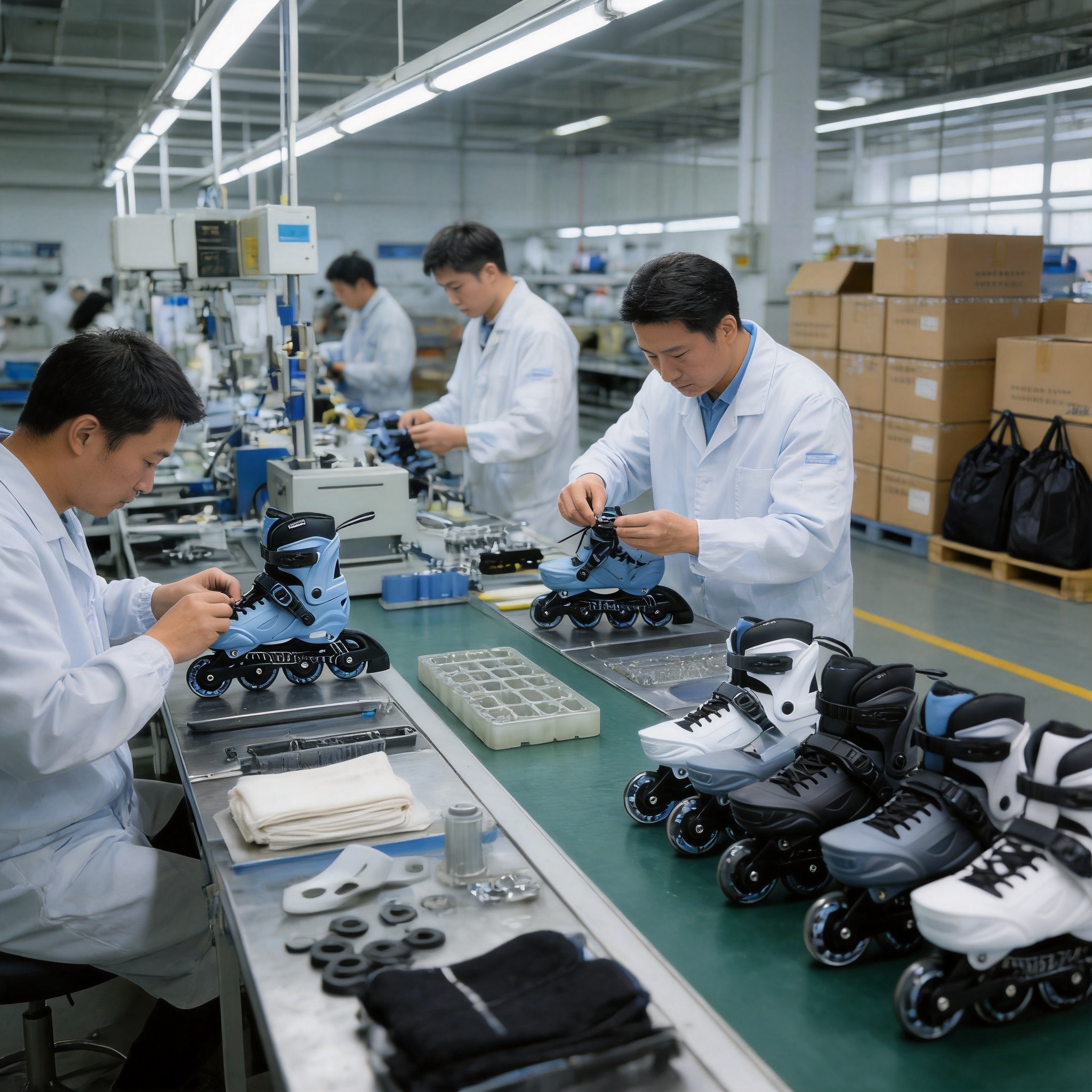
The company operates a workshop of approximately 20,000 square meters and employs more than 200 people. It has five advanced automatic production lines and a professional research and development engineering team. These resources support product development, component production, assembly, quality control, and the creation of new models for different customer needs.
A significant strength is the company’s integrated manufacturing structure. Its facilities include mold, injection molding, sewing, and assembly workshops. Having these capabilities within one coordinated production system can improve communication between product design and manufacturing teams. It can also support more consistent control over plastic components, fabric uppers, structural parts, and final assembly.
For an adjustable aluminum-frame skate, manufacturing coordination is particularly important. The boot, adjustment mechanism, chassis, wheel system, and packaging must work together as a complete product. Dimensional accuracy affects the fit of the adjustable system, while assembly quality affects the relationship between the boot and chassis. Integrated production helps create a more controlled process from component preparation through final inspection.
Research and Development
The company maintains a professional R&D engineering team and introduces new products each year. This ongoing development activity allows it to respond to changing market preferences, safety expectations, design trends, and customer requirements.
Product development in skating equipment involves more than appearance. Engineers must consider frame geometry, material selection, fit adjustment, wheel alignment, user comfort, manufacturing efficiency, and packaging. For children’s products, ease of use and safety-conscious design are also central considerations.
The BW-230-1 reflects this development approach by combining several practical features rather than focusing on one isolated specification. The aluminum chassis addresses structural support, the adjustable sizing addresses growth, the upper addresses ventilation and flexibility, the cushioning addresses comfort, and the carrying bag addresses storage and transport.
Production Process Integration
Mold and injection molding workshops can support the production of shaped plastic components used in skating and scooter products. Sewing facilities can produce fabric uppers and related soft components. Assembly workshops bring the separate parts together into completed products.
This combination of capabilities can improve production flexibility. It enables the manufacturer to manage different product designs, materials, and construction requirements while maintaining a unified quality-management process. It also gives buyers a single manufacturing partner for multiple categories, including scooters, inline skates, roller skates, ice skates, and protective gear.
For OEM customers, integrated manufacturing can simplify communication and sourcing. A buyer may be able to discuss product design, packaging, size ranges, materials, and production requirements with one experienced supplier rather than coordinating several unrelated factories.
Quality Systems and Certifications
Ningbo Feile Sporting Goods Co., Ltd. has passed ISO9001, BSCI, and Kmart factory certification systems, according to the supplied company information. These systems and audits indicate attention to quality management, social compliance, and factory standards.
The company also reports certifications and compliance-related approvals including 3C, CE, EN71, EN62115, ASTM, EMC, and EN13843:2009 for relevant products. The exact applicability of each certification depends on the product model, target market, configuration, and current test documentation. Buyers should request the specific certificates and test reports for the BW-230-1 before placing an order or making regulatory claims in a particular country.
Quality assurance for inline skates should address the complete product rather than only one component. Relevant areas may include chassis integrity, wheel and axle installation, adjustment-lock performance, boot attachment, material quality, stitching, packaging, labeling, and user instructions.
Regular production inspection is also important. Incoming materials should be checked against specifications, in-process assembly should be monitored, and finished products should be evaluated before shipment. A systematic process helps reduce variation between batches and supports consistent performance for distributors and end users.
Factory Experience
The company has more than 30 college-educated management staff and participates in international exhibitions each year. These activities can support communication with overseas buyers, awareness of international market expectations, and the development of export-oriented product programs.
Its location in Yuyao City, Ningbo, Zhejiang Province, provides access to an established manufacturing region. The area is known for plastics production and benefits from proximity to Ningbo Airport and Shanghai. This location can support the movement of raw materials, finished products, and export shipments.
For international customers, factory experience and logistical access are important because product quality must be supported by reliable order coordination, documentation, packaging, and delivery planning. The manufacturer’s one-stop sourcing capability is relevant to buyers seeking multiple categories of skating and scooter equipment.
OEM and Sourcing Opportunities
The BW-230-1 can serve as a suitable reference product for distributors, retailers, sports brands, educational programs, and importers seeking adjustable inline skates. Buyers may evaluate the product as a ready model or discuss OEM requirements related to color, logo placement, packaging, size combinations, product manuals, and market-specific labeling.
OEM cooperation should begin with a clear product specification. This may include the target age group, size range, chassis material, wheel configuration, upper fabric, adjustment method, packaging format, test requirements, and order quantity. Clear specifications reduce misunderstandings and help the factory prepare an accurate quotation and production plan.
Buyers should also confirm whether requested modifications affect tooling, minimum order quantities, lead times, certification, or packaging costs. A color change may be relatively straightforward, while a change to the chassis, adjustment mechanism, wheel assembly, or boot construction may require engineering review and additional testing.
Because the manufacturer produces children’s scooters, protective gear, inline skates, roller skates, and ice skates, buyers may be able to build a broader product portfolio through one supplier. A retailer could combine adjustable inline skates with helmets, knee pads, elbow pads, wrist guards, children’s scooters, or other recreational products.
Packaging and Transportation
The included carrying bag is useful for consumers, but commercial buyers should separately confirm the shipping carton configuration. The listed dimensions for the 31–34, 35–38, and 39–42 ranges provide useful reference information for logistics planning. Buyers should verify whether these measurements refer to individual cartons, master cartons, or another packaging unit.
Accurate packaging data helps importers calculate warehouse capacity, container utilization, freight costs, and retail handling requirements. It is also important to confirm gross weight, net weight, carton quantity, pallet information, and packaging materials before finalizing an order.
Safety and Maintenance Guidance
Inline skating should always be treated as a physical activity requiring appropriate preparation and protective equipment. The BW-230-1 is designed for beginner and recreational use, but equipment alone cannot eliminate the risk of falls or collisions.
Users should wear a properly fitted helmet, knee pads, elbow pads, and wrist guards. Children should practice with an adult or qualified instructor, particularly during the first sessions. Skating should take place on flat, dry, clean surfaces away from traffic, water, steep slopes, and obstacles.
Before each session, inspect the skates for loose parts, damaged fabric, worn wheels, unusual movement, or problems with the size-adjustment mechanism. Check that the chassis is securely connected to the boot and that the wheels rotate properly. Any damaged component should be repaired or replaced before use.
After skating, remove dirt and moisture from the wheels and frame. Allow the upper and inner lining to dry naturally in a ventilated area. Avoid storing wet skates in a sealed bag for a long time, as trapped moisture may create unpleasant odors and contribute to material deterioration.
The carrying bag should be used for organized storage, not as a substitute for drying and maintenance. Once the skates are dry, the bag can help keep them together and protect them from dust during transport or periods of non-use.
Surface Selection
The BW-230-1 is intended for flat indoor surfaces and suitable outdoor locations such as smooth paths, parks, squares, and community trails. Rough asphalt, gravel, sand, wet ground, broken pavement, and steep slopes can increase vibration and reduce control.
Beginners should avoid areas with pedestrians, bicycles, vehicles, or sudden changes in elevation. A large open area with predictable conditions gives the user more room to learn stopping and turning without unnecessary hazards.
How to Choose the Correct Size
Start by measuring the user’s feet while wearing the socks intended for skating. Compare the measurement with the supplier’s final size chart rather than relying only on age or shoe size. Foot length, width, instep height, and personal fit preferences can differ significantly between users.
Select the adjustable range that includes the measured foot length, then set the skate so that the foot is secure but not compressed. The toes should have enough room to remain comfortable, while the heel should not move excessively. After adjustment, ask the user to stand and bend the knees. The skate should remain stable without creating painful pressure.
Both skates should be adjusted to the same length unless a medical or orthopedic professional recommends otherwise. Recheck the adjustment after the first few minutes of use because the foot may settle into the boot as the user begins moving.
As children grow, parents should check the fit regularly. An adjustable skate can accommodate growth, but it still has a practical range. If the toes press against the front, the foot becomes numb, or the heel cannot be held securely, a larger size range may be necessary.
Positioning in the Market
The BW-230-1 occupies a useful position in the recreational skating market. It is more structurally ambitious than a very basic plastic-frame skate, yet it remains focused on accessibility rather than professional competition. Its principal customer is the user who wants a stable, adjustable, comfortable, and durable product for learning and casual use.
Its advantages over basic competitors are most apparent in the aluminum chassis and the combined feature set. Some entry-level products may offer adjustability but use less rigid frame materials. Others may provide a stronger frame but lack broad size adjustment or a comfort-oriented upper. The BW-230-1 brings these features together in one product.
Compared with high-performance skates, the product is more appropriate for beginners and families. It is not presented as a racing skate or an aggressive freestyle model. This clear positioning can help retailers communicate its benefits accurately and match the product with the right customer.
For distributors, a product with a clear and practical value proposition is easier to place in multiple sales channels. It can be offered through sporting-goods stores, children’s product retailers, online marketplaces, recreational centers, and seasonal outdoor-equipment programs.
Q&A
What is the main advantage of the BW-230-1 inline skate?
The main advantage is its professional aluminum alloy chassis, which is designed to provide a firm, stable, and durable support platform. This structure is intended to resist twisting, bending, loosening, and deformation during ordinary recreational use.
Is the skate suitable for beginners?
Yes. The skate is designed for children, older teenagers, and beginners who are learning basic balance, gliding, turning, and stopping. Users should practice gradually on safe, flat surfaces and wear appropriate protective equipment.
What size ranges are available?
The product is available in three adjustable ranges: 31–34, 35–38, and 39–42. The correct range should be selected according to actual foot measurements and the supplier’s final size chart.
How does the adjustable design help families?
The adjustable design allows the skate to accommodate several stages of foot growth within one range. This can reduce the need for frequent replacement and may provide better long-term value for families.
Does the product include a carrying bag?
Yes. The product comes with an original carrying bag for transportation and storage. The skates should be dried and cleaned before being stored in the bag for an extended period.
Is the aluminum chassis completely damage-proof?
No. The aluminum chassis is designed to be robust and impact-resistant for ordinary use, but severe collisions, misuse, excessive loads, and unsuitable skating conditions can still cause damage. Regular inspection and correct use remain essential.
Can the skate be used for professional racing?
The BW-230-1 is primarily intended for beginner practice, recreational skating, family activities, and light daily exercise. Users seeking specialized racing, aggressive, or high-performance equipment should select a product designed specifically for those disciplines.
What materials support foot comfort?
The skate features a breathable, skin-friendly upper made from flexible and durable fabric, together with an inner cushioning layer designed to reduce pressure and chafing during use.
Where can the skates be used?
They are suitable for flat indoor surfaces and appropriate outdoor areas such as parks, community trails, squares, and smooth paths. Wet, rough, sandy, steep, or heavily crowded areas should be avoided.
What should buyers confirm before an OEM order?
Buyers should confirm specifications, colors, logo requirements, packaging, size ratios, minimum order quantities, production lead times, applicable certifications, testing documents, carton dimensions, weights, and shipping arrangements.
What manufacturing capabilities does the supplier have?
Ningbo Feile Sporting Goods Co., Ltd. reports mold, injection molding, sewing, and assembly workshops, five automatic production lines, a professional R&D team, a 20,000-square-meter workshop, and more than 200 employees. These resources support integrated production for skates, scooters, and related sports equipment.
Which certifications are associated with the manufacturer’s products?
The supplied company information lists ISO9001, BSCI, and Kmart factory certification systems, as well as product certifications or standards including 3C, CE, EN71, EN62115, ASTM, EMC, and EN13843:2009. Buyers should request current documentation for the exact model and destination market.
Conclusion
The BW-230-1 ALUM chassis inline skate is a practical option for children, teenagers, beginners, families, and recreational buyers who value stability and long-term usability. Its professional aluminum alloy chassis provides a stronger structural foundation than many basic alternatives, helping create a stable platform for learning and everyday gliding.
The product’s value is further supported by its three adjustable size ranges, breathable upper, inner cushioning, easy-to-learn control characteristics, and included carrying bag. Together, these features address the most common concerns of new skaters and parents: fit, comfort, stability, durability, transport, and cost over time.
For commercial buyers, the product benefits from the manufacturing resources of Ningbo Feile Sporting Goods Co., Ltd. The company combines experience in skating and scooter equipment with integrated mold, injection molding, sewing, assembly, R&D, and quality-management capabilities. Its factory scale, production lines, certifications, and export-oriented experience make it a suitable candidate for OEM and one-stop sourcing programs.
The skate should be marketed accurately as a beginner-friendly and recreational product rather than as specialized racing equipment. When matched with the right user and maintained correctly, it offers a balanced combination of aluminum-frame support, adjustable growth accommodation, comfort-oriented construction, and accessible value.
References
1. Product specification and descriptive materials supplied for the BW-230-1 ALUM chassis inline skate.
2. Ningbo Feile Sporting Goods Co., Ltd. company profile and manufacturing capability information.
3. General principles of inline-skate frame construction, fit adjustment, balance control, and recreational equipment maintenance.
4. ISO 9001 quality-management-system principles for manufacturing organizations.
5. General product-safety and protective-equipment guidance for children’s recreational sports.
6. General considerations for OEM sourcing, packaging verification, factory evaluation, and market-specific certification review.
Product: BW-230-1 ALUM chassis inline skate
Recommended Articles

Get in Touch
Your email address will not be published. Required fields are marked *
Have a project in mind? Contact with us!
We are happy to answer your questions. Please fill out this form
and one of our professional team will get back to you as soon as possible.

We specialize in producing various types of children's toy cars, children's skateboards, and ice skates.
