
 En
 Español
 русский
 عربى

Why Light-Up Four-Wheel Skates Are Becoming a Popular Choice for Young Recreational Skaters
Date:Sep 21, 2026
Content
- 1 Understanding the Product Category
- 2 Core Product Features
- 3 Product Specifications and Size Options
- 4 Advantages Over Basic Recreational Alternatives
- 5 Recommended Applications
- 6 Safety and User Guidance
- 7 Manufacturing Strengths Behind the Product
- 8 OEM and Private-Label Potential
- 9 Commercial Value for Distributors and Retailers
- 10 Maintenance and Product Longevity
- 11 How the Product Compares with Other Skate Types
- 12 Buyer Checklist for Importers
- 13 Questions and Answers
- 13.1 Is the BW-213 an actual ice skate?
- 13.2 Is it suitable for children who are learning to skate?
- 13.3 Where should the product be used?
- 13.4 What makes the lighting useful?
- 13.5 How are the skates secured to the feet?
- 13.6 What size ranges are available?
- 13.7 Can the wheels be replaced?
- 13.8 Is the product suitable for professional skating?
- 13.9 What protective gear should children wear?
- 13.10 What manufacturing capabilities support this product?
- 13.11 Can the product be customized for OEM orders?
- 14 Conclusion
- 15 References
- 16 Product: BW-213 Lights Ice Skate
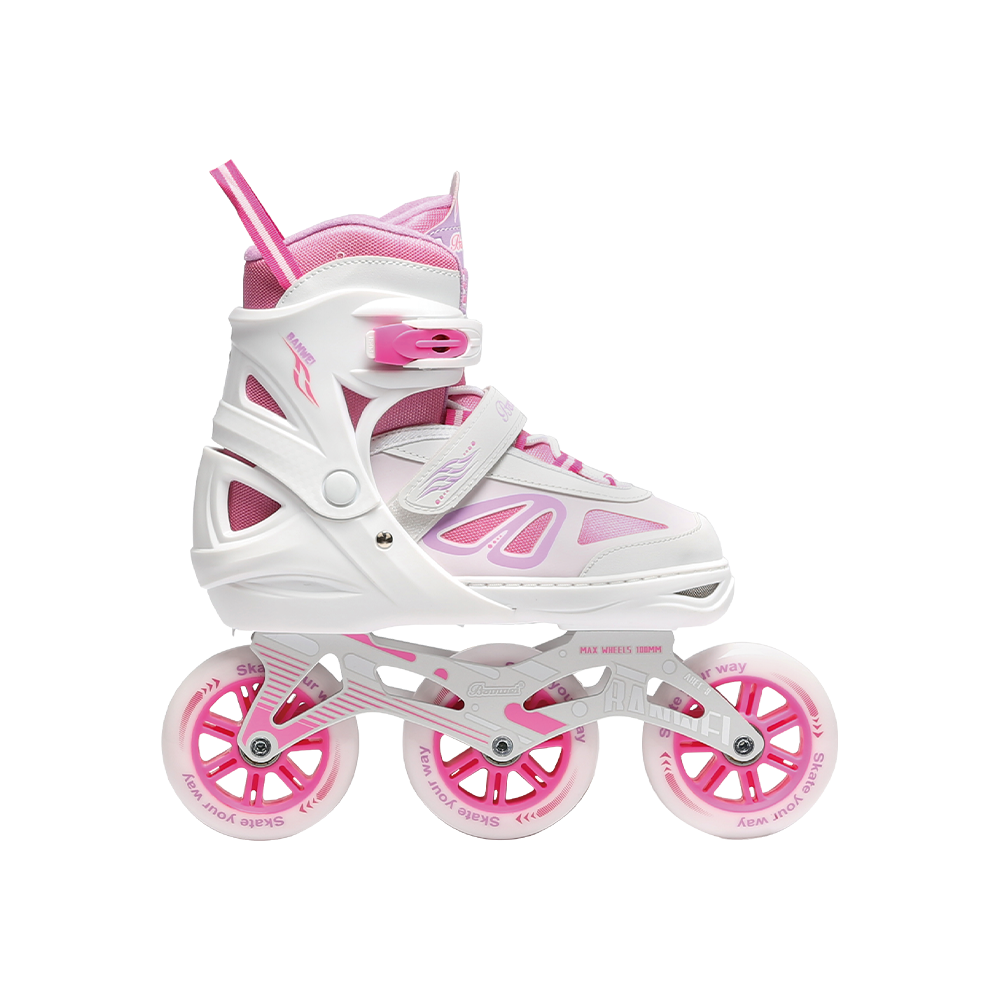
Children’s skating equipment is no longer judged only by wheel performance and basic durability. Young users increasingly want products that combine movement, comfort, recognizable style, and a sense of personal expression. Parents, meanwhile, look for equipment that is easy to use, reasonably priced, supportive around the ankle, and suitable for everyday recreational activities. The BW-213 Lights Ice Skate is designed around this balance. Although its commercial name includes the term “ice skate,” the product is a four-wheeled recreational skate intended for smooth indoor surfaces and selected dry outdoor areas rather than frozen ice.
With its light purple and cyan appearance, decorative lighting, layered upper, traditional laces, and Velcro fastening system, the BW-213 is positioned as an approachable product for children and teenagers. It is especially suitable for first-time or developing skaters who want an attractive product for casual activity rather than a highly specialized professional racing or performance skate. Its design also gives importers, distributors, retailers, and private-label buyers a practical option within the children’s skating and sports equipment market.
This article examines the product’s design, functional advantages, intended applications, maintenance requirements, and commercial value. It also considers how the manufacturing capabilities of Ningbo Feile Sporting Goods Co., Ltd. support consistent production, product development, quality management, and OEM cooperation.
Understanding the Product Category
The BW-213 belongs to the broader category of recreational wheeled skates. It uses four wheels arranged under each boot, making it visually and functionally closer to a traditional quad roller skate than to a conventional ice skate or a two-row inline skate. This distinction is important for buyers and users because different skate types behave differently on the ground.
Four-wheeled skates generally provide a broad and stable base. For children learning basic balance, forward movement, stopping, and turning, that broad platform can feel reassuring. The skate is intended for smooth surfaces, including indoor skating areas, gyms, skate parks designed for suitable recreational use, and clean wooden or hard floors. It may also be used outdoors on smooth and dry sidewalks or parking areas, provided the surface is free from gravel, loose debris, standing water, and major cracks.
The product is not designed for frozen ice, despite the word “Ice” in its title. It should not be placed on ice or used as a substitute for a bladed ice skate. It is also not intended to compete directly with advanced inline skates used for speed training, long-distance skating, aggressive maneuvers, or professional competition. Its principal strength is accessibility: it combines a friendly learning platform with a distinctive visual design.
Core Product Features
Decorative Full-Body Lighting
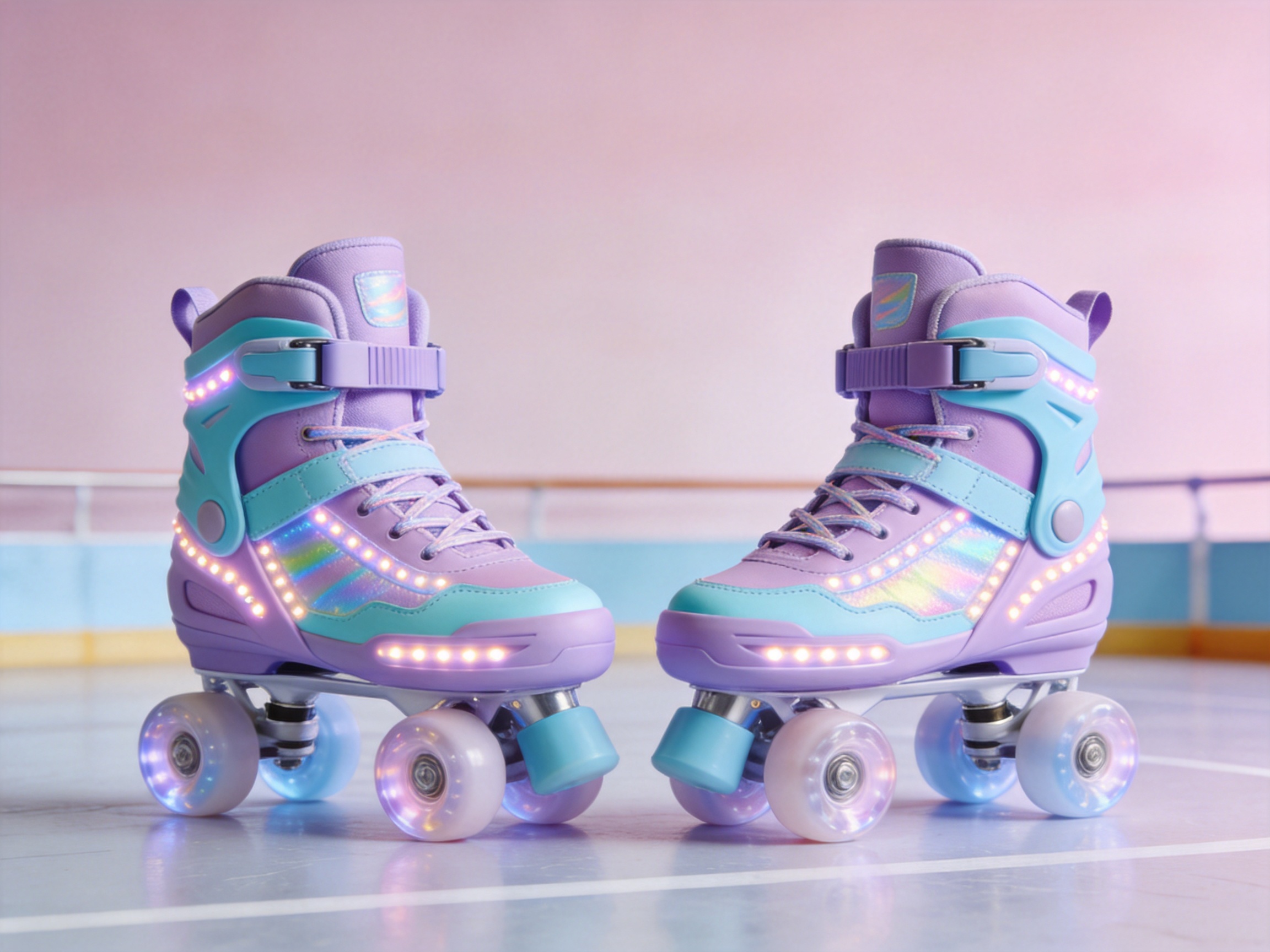
One of the most recognizable characteristics of the BW-213 is its decorative lighting effect. Light elements are integrated around the sides and lace area, creating a colorful appearance that commonly combines light purple, lavender, cyan, and light blue tones. The lighting gives the product a lively personality and helps it stand out in a crowded retail environment.
The lighting is primarily a decorative feature rather than a substitute for protective visibility equipment. It may provide some additional visual presence in dim settings, but users should not assume that the lights make them fully visible to vehicles, cyclists, or other skaters. For outdoor use, children should still skate in safe, well-lit locations and wear appropriate protective gear.
From a product merchandising perspective, the lighting effect provides an immediate visual selling point. Children can understand the appeal at a glance, while parents can recognize that the product is designed for recreational enjoyment. The light-up feature also makes the BW-213 suitable for birthdays, holiday gifting, seasonal promotions, and displays aimed at younger customers.
Color and Styling
The light purple base, blue gradients, and iridescent visual details create a youthful appearance without relying on a complicated graphic pattern. The combination is suitable for children and teenagers who prefer colorful equipment. The multi-layered upper gives the product a more substantial appearance than a basic single-material recreational skate.
Product appearance plays an important role in children’s sports participation. A child is more likely to practice with equipment that feels exciting, personal, and visually appealing. In this respect, the BW-213 offers an advantage over plain entry-level products that may provide basic skating functionality but lack distinctive identity. The design can support repeat use because the product feels like part of the child’s recreational lifestyle rather than merely a piece of protective equipment.
Combination of Laces and Velcro
The fastening system combines traditional laces with Velcro straps. This arrangement gives users two complementary methods of securing the foot. Laces can provide a more adjustable fit across the instep, while the Velcro strap can help secure the upper quickly and conveniently.
For younger children, a fastening system that includes Velcro can simplify preparation. Parents can adjust the laces initially and then use the strap for faster daily wearing. Older children may prefer to manage the laces themselves while using the strap as an additional retention layer. This flexibility is especially useful in families where more than one child may use similar recreational equipment.
Fastening systems should always be adjusted before skating. Loose laces, an unsecured strap, or an incorrectly positioned foot can reduce stability and comfort. The combined design is a practical convenience, but proper fitting remains essential.
Mid-High Ankle Construction
The mid-high cut is intended to provide support around the ankle. Recreational skaters, particularly children who are still developing balance, benefit from a boot structure that helps limit excessive side-to-side movement. The upper can assist with lateral support during basic turns and controlled movement.
Ankle support is not a guarantee against injury, and it does not replace good skating technique or protective equipment. However, a supportive upper can make the product feel more secure than a low-cut casual shoe-based design. It may also help new skaters maintain a more consistent posture as they learn to bend the knees, distribute weight, and control their direction.
Layered Upper Materials
The upper combines hard plastic elements with softer fabric areas. The hard plastic contributes structure and can help protect selected parts of the foot from minor contact, while the fabric components are intended to improve comfort and reduce the rigid feel associated with an entirely hard shell.
This layered approach reflects a common requirement in children’s recreational products: the skate must be sufficiently structured for support but comfortable enough for repeated short sessions. A product that is too soft may feel unstable, while one that is excessively rigid may discourage use. The BW-213 seeks a middle position for casual skating, where comfort and visual appeal are as important as basic support.
Standard PU Wheels and Axle Design
The skate uses standard polyurethane wheels and a straightforward axle design. Polyurethane is widely used in recreational wheeled sports because it offers a practical balance of rolling performance, durability, and replaceability when used on appropriate surfaces.
The standard axle arrangement can simplify routine servicing. Buyers and distributors may find it easier to manage common replacement requirements than with a highly specialized construction. Users should inspect the wheels, axle areas, and fasteners regularly. Wear, looseness, cracks, embedded debris, and unusual rolling resistance are signs that maintenance or replacement may be necessary.
The wheel system is intended for smooth surfaces. Rough concrete, gravel, broken pavement, wet ground, and uneven outdoor areas can accelerate wear and make skating less stable. Using the product in its recommended environment is one of the most effective ways to extend service life.
Product Specifications and Size Options
The available size ranges are 27–30, 31–34, 35–38, and 39–42. These ranges provide several options for children and young users at different stages of growth. Retailers should communicate clearly that size selection must be based on the user’s actual foot measurements and the manufacturer’s fitting guidance rather than age alone.
| Product Element | BW-213 Characteristics | Practical Benefit |
|---|---|---|
| Skate format | Four-wheeled recreational skate | Broad base for approachable balance and casual skating |
| Primary environment | Smooth indoor floors and suitable skating areas | Appropriate for family recreation and indoor practice |
| Secondary environment | Dry, smooth outdoor surfaces | Allows additional recreational use when conditions are suitable |
| Lighting | Decorative light effect around the sides and lace area | Distinctive appearance and strong retail presentation |
| Fastening | Laces combined with Velcro straps | Adjustability with convenient daily use |
| Upper structure | Hard plastic and soft fabric layers | Combination of support, structure, and comfort |
| Wheel material | Standard polyurethane wheels | Practical rolling performance and replacement convenience |
| Available size groups | 27–30, 31–34, 35–38, 39–42 | Coverage for multiple youth foot sizes |
Because children’s feet change quickly, buyers should avoid selecting a size simply because it offers room for future growth. Excessive internal space can allow the foot to move inside the boot, reducing control and increasing friction. A correctly fitted skate should hold the heel securely while allowing comfortable toe placement and normal circulation.
Advantages Over Basic Recreational Alternatives
The BW-213 is most competitive when compared with basic recreational skates that offer only essential rolling functionality. Its first advantage is visual differentiation. The decorative lighting, gradient color treatment, and iridescent details create a more engaging product experience than a plain black or single-color skate.
Its second advantage is fastening flexibility. Some entry-level products rely only on a single strap, while others use only laces. The combined system allows a better balance between adjustment and convenience. This can be valuable for family use, where adults may want quick fastening for younger children while older users may want more control over the fit.
Its third advantage is the combination of a structured upper and softer comfort materials. A very basic recreational product may not provide the same perceived level of ankle support or construction depth. The BW-213’s mid-high cut and layered design help create a more secure and substantial feel without positioning the skate as a professional performance model.
Its fourth advantage is maintainability. Standard PU wheels and a simple axle arrangement are easier for distributors, service providers, and experienced users to understand than proprietary systems that require uncommon components. Replacement parts and routine inspections are important considerations for children’s products because regular use can gradually affect wheel surfaces, axle tightness, and fastening components.
Its fifth advantage is market versatility. The product can be promoted as recreational sports equipment, a children’s gift, a family activity product, or an entry-level skating item. This gives retailers several ways to present it across seasonal and non-seasonal sales channels.
Balanced Positioning Rather Than Over-Specialization
Many skating products are designed around a very specific user group. Speed skates favor efficiency and long-distance movement. Aggressive skates favor impact resistance and tricks. Professional ice skates are built around blades and frozen surfaces. The BW-213 takes a different approach by focusing on casual enjoyment, appearance, accessibility, and manageable maintenance.
This balanced positioning can be attractive to families who do not need advanced performance features. Parents may prefer to purchase a product that supports occasional indoor outings rather than equipment designed for a level of training their child has not yet reached. Retailers can also benefit from explaining the product honestly: it is a recreational four-wheel skate designed to make skating approachable and enjoyable.
Recommended Applications
Indoor Recreational Skating
Indoor skating is the primary application for the BW-213. Smooth floors in indoor gyms, recreational spaces, suitable skate parks, and spacious hard-floor areas can provide a controlled environment for children to practice. Indoor conditions reduce exposure to rain, mud, loose stones, and other outdoor hazards.
Users should confirm that the venue permits wheeled skates. Some wooden floors and polished surfaces may require specific wheel hardness or venue approval. The skating area should be free from obstacles, slippery liquids, loose mats, and crowded foot traffic. Children should begin slowly and practice stopping before attempting faster movement.
Children’s Birthdays and Holiday Gifts
The product’s light-up appearance makes it suitable for gift-oriented sales. A child receiving the BW-213 for a birthday or holiday may be motivated to become more active because the product looks entertaining and special. The colorful style also supports attractive packaging, seasonal displays, and promotional photography.
Gift buyers should be provided with clear information about size selection, protective equipment, surface requirements, and supervision. A skate should be treated as sports equipment rather than a toy that can be used anywhere. Including fitting and safety guidance in the sales process can improve customer satisfaction and reduce avoidable misuse.
Smooth Outdoor Surfaces
The BW-213 may be used outdoors in dry conditions on smooth surfaces such as clean sidewalks, private driveways, and suitable parking areas. Outdoor use should be limited to locations where skating is permitted and where traffic risks are controlled.
Gravel, sand, wet pavement, rough asphalt, drainage grates, cracks, and uneven transitions can affect the wheels and make loss of balance more likely. Children should not skate near moving vehicles or in areas with poor visibility. The decorative lighting should never be treated as an alternative to adult supervision or standard road-safety practices.
Safety and User Guidance
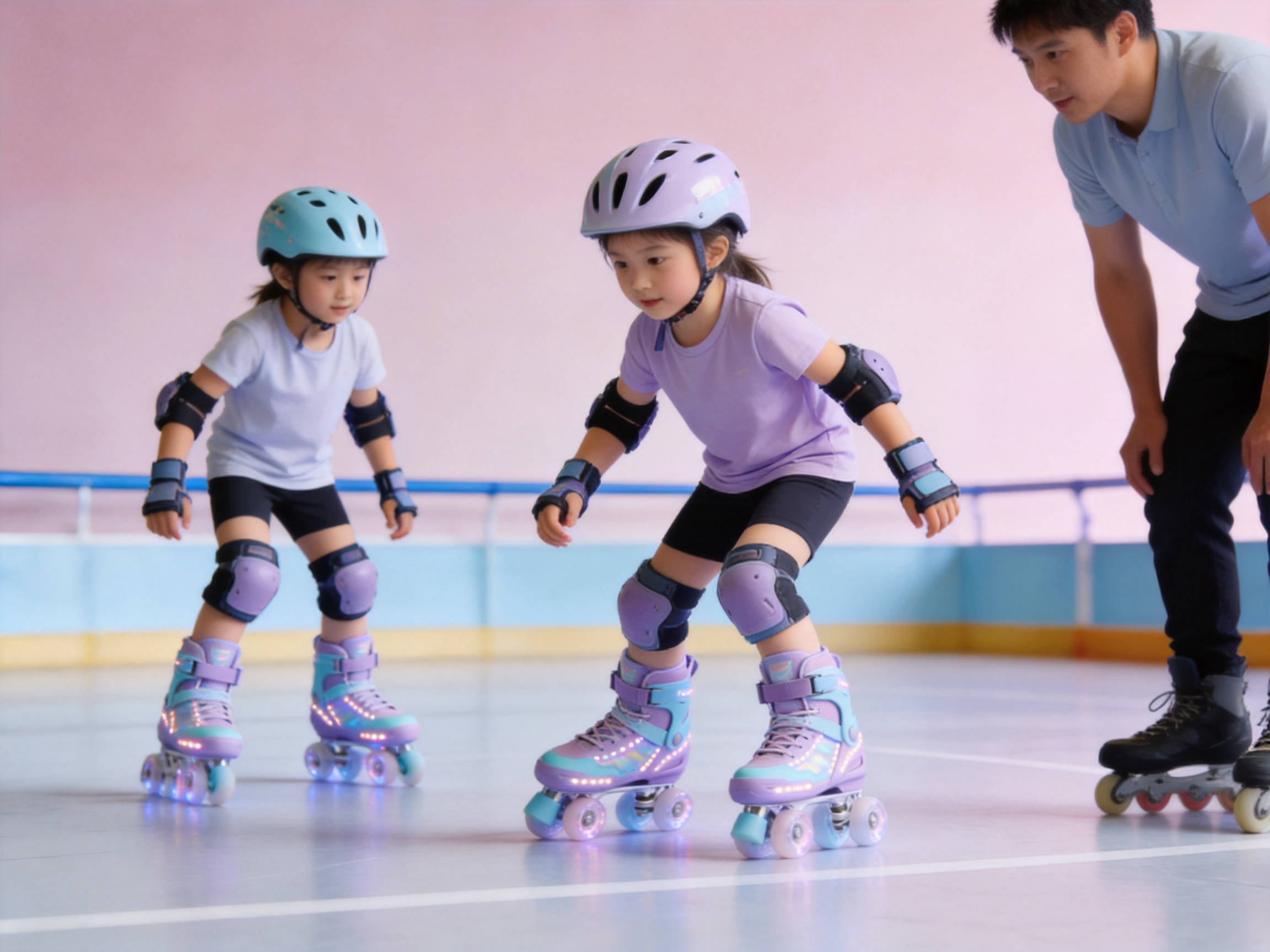
Protective equipment is essential for young skaters. A properly fitted helmet should be worn during every skating session. Knee pads, elbow pads, and wrist guards can help reduce the severity of falls. Protective gear should be inspected regularly for damage, loose straps, worn padding, or broken fasteners.
Children should learn in an open area with sufficient space. Initial practice should focus on standing, balance, controlled forward movement, gentle turns, and stopping. Adults should remain nearby, especially when the skater is inexperienced. Children should not be encouraged to skate beyond their ability simply because the product has a decorative or exciting appearance.
The fastening system should be checked before every session. Laces must be tied securely and kept away from the wheels. Velcro straps should be fully engaged and positioned correctly. The heel should remain seated inside the boot, and the foot should not slide forward or sideways during basic movement.
Users should inspect the wheels and axles before skating. Wheels that wobble, show deep cracks, or have severe flat spots should be serviced or replaced. Loose axle components should be tightened according to appropriate maintenance procedures. If unusual sounds, resistance, or instability appear, the skate should not be used until the cause has been identified.
After use, the skates should be kept in a dry, ventilated location. Moisture can affect fabric, fasteners, and metal components. Dirt should be removed with a soft cloth, and the product should be allowed to dry naturally. Direct high heat should be avoided because it may affect plastics, adhesives, and decorative components.
Manufacturing Strengths Behind the Product
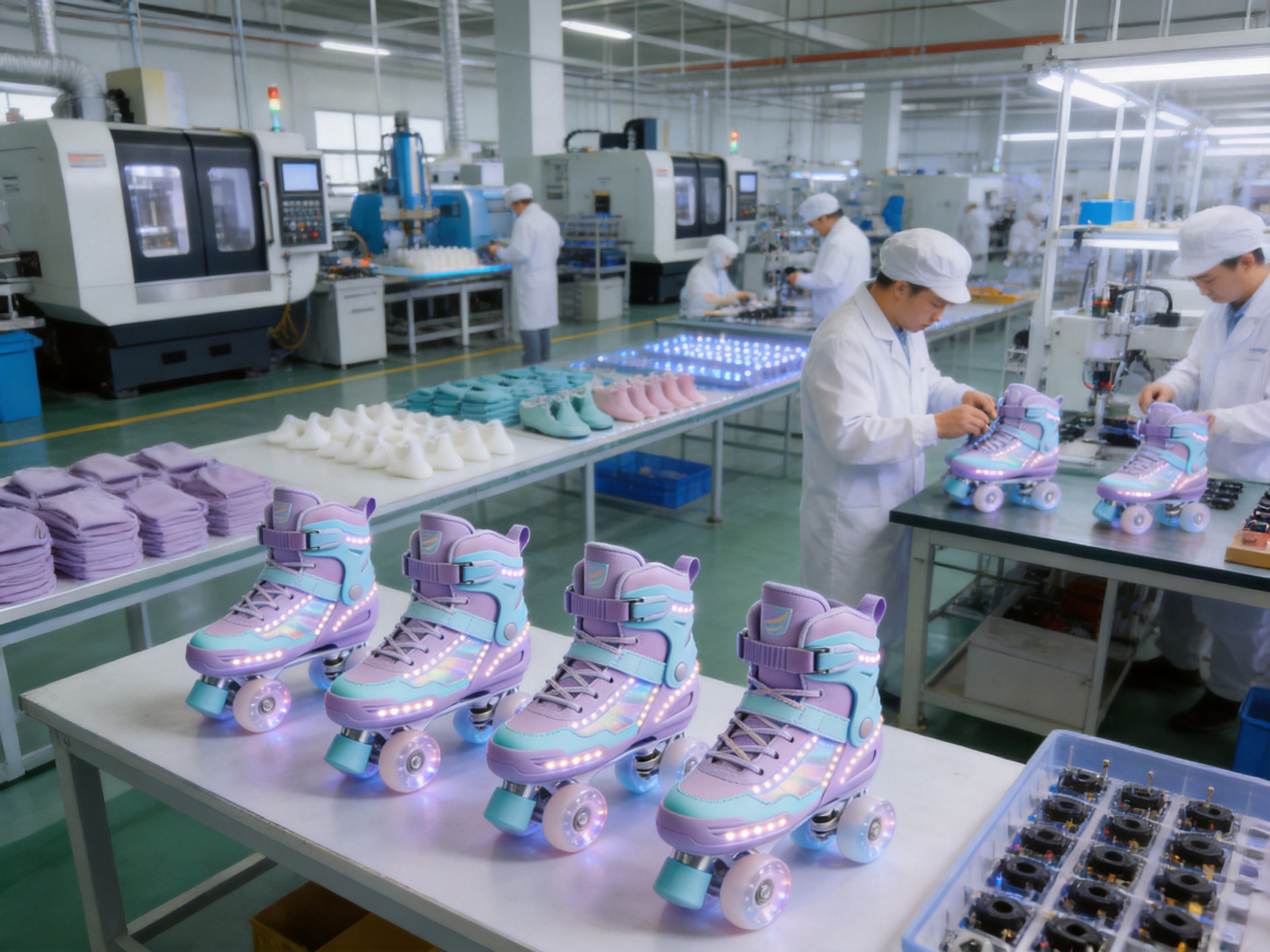
The BW-213 is supported by the manufacturing capabilities of Ningbo Feile Sporting Goods Co., Ltd., a company established in 2010 and focused on children’s scooters, inline skates, roller skates, and ice skates. This product focus is significant because specialized experience can help a manufacturer understand the structural, comfort, safety, and aesthetic requirements of wheeled sports equipment.
The company operates a workshop of approximately 20,000 square meters and employs more than 200 people. Its production resources include five advanced automatic production lines, a professional research and development engineering team, and dedicated mold, injection molding, sewing, and assembly workshops.
Bringing several manufacturing stages under one organizational structure can improve coordination. Product development teams can communicate more directly with molding personnel, sewing technicians, assembly operators, and quality staff. This may help reduce delays between design changes and production trials, particularly when a product includes hard plastic structures, fabric components, fastening systems, wheels, axles, and decorative details.
Mold and Injection Molding Capabilities
Mold development and injection molding are particularly important for children’s skate products. The shape of a shell, support section, heel area, or decorative housing affects not only appearance but also fit, rigidity, assembly, and production consistency.
An in-house or closely coordinated mold capability allows a manufacturer to develop product-specific components rather than relying entirely on generic parts. It can also support revisions during product development. If a component needs a smoother edge, improved fit, altered thickness, or better assembly interface, engineering and mold teams can work together to refine it.
Injection molding requires attention to material preparation, mold temperature, cycle conditions, cooling, ejection, and visual inspection. Consistent processing helps reduce defects such as warping, short shots, sink marks, flash, and dimensional variation. These details matter because the product must combine appearance with reliable assembly.
Sewing and Soft-Goods Integration
The BW-213 is not made solely from molded plastic. Its layered upper includes fabric elements that contribute to comfort and visual finish. Sewing capability is therefore an important part of the manufacturing process.
Soft-goods production requires careful control of cutting, alignment, stitching, reinforcement, and attachment to hard components. Poorly positioned fabric can create pressure points, wrinkles, or inconsistent appearance. Skilled sewing and assembly teams help integrate the soft upper with the structured shell while maintaining a clean and comfortable finish.
Assembly and Process Coordination
Final assembly brings together the boot, upper materials, fastening elements, wheels, axles, lighting components, and other parts. A well-organized assembly process helps ensure that components are correctly positioned and secured.
Assembly quality is especially important for products used by children. The product must be checked for loose parts, sharp edges, incomplete fastening, uneven wheel installation, and cosmetic defects that could affect customer perception. Process instructions, operator training, workstation organization, and inspection checkpoints can all contribute to more stable output.
Research and Development
The company maintains a professional R&D engineering team and launches new products each year. Continuous product development is valuable in a market where children’s equipment must satisfy changing preferences in color, lighting, comfort, adjustability, and safety expectations.
R&D work may include studying user feedback, reviewing component performance, testing new visual treatments, improving fit, optimizing assembly, and developing products for different age or size groups. The ability to create new models can help OEM and private-label customers respond to seasonal trends and regional market requirements.
Quality and Compliance Orientation
Feile has passed ISO9001, BSCI, and Kmart factory certification systems, according to the supplied company information. It has also obtained multiple national patents. Its product certification experience includes 3C, CE, EN71, EN62115, ASTM, EMC, and EN13843:2009.
Specific certification requirements depend on the target market, product configuration, electrical features, age grading, and applicable regulations. Importers should confirm current documentation, test reports, labeling requirements, and conformity obligations for the exact BW-213 version they intend to purchase. Nevertheless, a manufacturing background that includes multiple international and regional standards can be a valuable starting point for global sourcing.
OEM and Private-Label Potential
The combination of product specialization, engineering support, automatic production lines, and multiple workshops makes the manufacturer suitable for OEM and sourcing discussions. Buyers may be interested in customized colors, packaging, logos, size assortments, lighting treatments, component specifications, or market-specific documentation.
Customization should be managed through a clear technical process. A buyer should provide design references, target markets, packaging requirements, expected order quantities, testing expectations, and delivery schedules. The manufacturer can then clarify which elements are standard, which require new tooling, and which may affect minimum order quantities or production lead times.
For private-label customers, the BW-213’s visual identity can be adapted to different retail strategies. A buyer may choose a soft pastel presentation for family-oriented stores, a brighter display for children’s sporting goods, or a gift-focused package for holiday sales. Packaging should include accurate size information, usage guidance, safety instructions, and clear identification of the product as a four-wheeled recreational skate.
OEM cooperation also benefits from early sample approval. Before mass production, buyers should evaluate the physical sample for fit, rolling behavior, lighting performance, fastening convenience, surface finish, packaging dimensions, and labeling. Any changes should be documented before production begins.
Commercial Value for Distributors and Retailers
The BW-213 can occupy a useful position between ordinary children’s toys and high-performance sports equipment. It has enough visual appeal to attract younger consumers, while its skating function allows it to be presented as active recreational equipment. This dual positioning can expand the range of retail channels that may consider the product.
Sports stores can place it within children’s skating equipment. Toy and gift retailers can promote its lights and colorful appearance. Department stores can include it in seasonal outdoor activity displays. Online sellers can emphasize the combination of style, adjustable fastening, ankle support, and size availability.
Retail communication should remain accurate. The product should be described as a four-wheeled skate for smooth surfaces, not as a frozen-ice skate. It should not be marketed as professional equipment or as a replacement for protective gear. Clear descriptions help reduce returns and build trust with parents.
The product’s replaceable-wheel concept can also support after-sales service. Retailers may offer replacement components, maintenance advice, or basic fitting assistance. These services can make the purchase feel more complete and encourage customers to return for related products such as helmets, pads, bags, or replacement parts.
Maintenance and Product Longevity
Regular maintenance is straightforward when performed consistently. After each use, users should remove dust and surface dirt from the upper and wheel area. Wheels should be checked for stones or debris. Laces and Velcro should be kept clean enough to maintain secure fastening.
Wheel wear should be monitored because different surfaces produce different levels of abrasion. Smooth indoor floors may be less demanding than rough outdoor pavement. If wheels become uneven or develop visible damage, they should be replaced in accordance with suitable service guidance.
Axles and fasteners should be inspected periodically. They should be secure but not adjusted carelessly. Over-tightening can affect wheel rotation, while insufficient tightening can create instability. Maintenance should be performed by a responsible adult or a qualified service person when the user is a young child.
The lighting elements should be protected from water and harsh cleaning chemicals. The product is intended for dry conditions, and immersion or heavy exposure to moisture may affect decorative or electrical components. Gentle cleaning and proper storage can help preserve the visual appearance.
Good maintenance offers benefits beyond product life. It also supports safer use, better rolling behavior, more consistent fit, and improved customer satisfaction. For distributors, including maintenance information in product literature can reduce misuse and support brand credibility.
How the Product Compares with Other Skate Types
Compared with Inline Skates
Inline skates typically arrange wheels in a single line and may be favored for speed, distance, and certain advanced skating techniques. The four-wheel layout of the BW-213 offers a different experience, with a broader platform that may feel more approachable to young beginners. The two formats should not be presented as interchangeable because they have different turning, balancing, and stopping characteristics.
Compared with Frozen-Ice Skates
Frozen-ice skates use blades designed to glide over ice. The BW-213 uses wheels and is intended for solid indoor or outdoor surfaces. The names may cause confusion, so retailers should explain the distinction prominently. The product’s styling may be inspired by the visual language of ice or winter products, but its actual use is recreational wheeled skating.
Compared with Basic Quad Skates
Compared with a basic quad skate, the BW-213 adds decorative lighting, a layered upper, a youthful gradient color scheme, and a combined lace-and-Velcro fastening design. These features can increase perceived value and emotional appeal. Its simple axle and standard PU wheel arrangement also preserve practical maintenance characteristics.
Buyer Checklist for Importers
Importers should first confirm the exact product configuration, including size groups, color treatment, lighting system, wheel specification, packaging, and included accessories. Product descriptions should match the physical sample and the documents provided by the manufacturer.
Second, buyers should clarify the intended markets and applicable compliance requirements. Different countries may require different labeling, age grading, chemical restrictions, electrical testing, or documentation. A factory’s previous certification experience is helpful, but it does not automatically replace market-specific verification.
Third, buyers should examine the sample under realistic conditions. The skate should be tested for comfort, fastening, basic rolling, wheel alignment, lighting consistency, and finish quality. Packaging should also be checked for protection during transport.
Fourth, buyers should discuss production schedules and quality-control procedures. Important points include pre-production approval, incoming material checks, in-process inspection, final inspection, carton standards, and procedures for handling nonconforming products.
Finally, buyers should plan after-sales support. Spare wheels, maintenance guidance, warranty handling, and customer-service information can improve the overall performance of the product in the marketplace.
Questions and Answers
Is the BW-213 an actual ice skate?
No. Despite the product name, the BW-213 is a four-wheeled recreational skate for solid, smooth surfaces. It is not designed for skating on frozen ice and does not use ice-skate blades.
Is it suitable for children who are learning to skate?
It can be suitable for children learning basic recreational skating when used with adult supervision, appropriate protective equipment, and gradual instruction. The four-wheel layout and mid-high upper are intended to provide an approachable and supportive skating experience, but each child’s readiness and balance ability should be considered.
Where should the product be used?
The recommended environments include smooth indoor floors, suitable indoor skating areas, gyms, and clean recreational surfaces. It may also be used outdoors on dry, smooth pavement where skating is permitted. Gravel, wet surfaces, rough ground, steep slopes, and areas with traffic should be avoided.
What makes the lighting useful?
The lighting is mainly decorative and helps the product stand out visually. It may add some visibility in low-light conditions, but it should not be treated as a safety light or as a substitute for a helmet, protective pads, adult supervision, or a well-lit skating environment.
How are the skates secured to the feet?
The product combines traditional laces with Velcro straps. Laces allow adjustment across the foot, while the Velcro can provide convenient additional fastening. Both systems should be secured properly before use.
What size ranges are available?
The listed size groups are 27–30, 31–34, 35–38, and 39–42. Buyers should use actual foot measurements and the manufacturer’s size guidance when selecting a size.
Can the wheels be replaced?
The product uses standard PU wheels and a standard axle design, which supports routine maintenance and replacement. Replacement should be carried out with compatible components and appropriate tools. Damaged or severely worn wheels should not continue in service.
Is the product suitable for professional skating?
The BW-213 is designed for recreational use rather than professional speed skating, competitive training, aggressive skating, or advanced technical performance. Its advantages are accessibility, styling, comfort-oriented construction, and practical maintenance.
What protective gear should children wear?
Children should wear a properly fitted helmet, knee pads, elbow pads, and wrist guards. Protective equipment should be checked regularly and replaced if damaged or excessively worn.
What manufacturing capabilities support this product?
The manufacturer has experience in children’s scooters, inline skates, roller skates, and ice skates. Its stated resources include automatic production lines, R&D engineering, mold development, injection molding, sewing, and assembly workshops, along with experience related to several international and regional certifications.
Can the product be customized for OEM orders?
OEM and private-label discussions may include color, packaging, branding, size assortment, and other product details. The exact options, tooling requirements, order quantities, and compliance documents should be confirmed directly during the sourcing process.
Conclusion
The BW-213 Lights Ice Skate is best understood as a colorful four-wheeled recreational skate designed for children and teenagers. Its strongest selling points are its decorative lighting, light purple and cyan styling, layered upper, mid-high ankle support, combined lace-and-Velcro fastening, standard PU wheels, and straightforward axle design.
Compared with plain entry-level recreational skates, it offers greater visual appeal and a more engaging user experience. Compared with specialized performance products, it provides a more accessible and family-friendly proposition. Its value lies not in extreme speed or professional technical performance, but in helping young users enjoy skating in suitable environments with equipment that feels comfortable, expressive, and easy to maintain.
The product is also supported by a manufacturer with experience across children’s wheeled sports categories, automatic production resources, mold and injection molding capabilities, sewing and assembly workshops, engineering support, and a stated history of quality and compliance certifications. These strengths can benefit distributors and OEM buyers seeking a coordinated supply partner for skating and scooter equipment.
When marketed accurately, fitted correctly, maintained regularly, and used with suitable protective gear, the BW-213 can serve as an appealing addition to children’s recreational sports equipment. Its combination of design personality, practical construction, and manufacturing support gives it a clear position in the growing market for colorful, accessible skating products.
References
1. Product information supplied for the BW-213 Lights Ice Skate, including features, size ranges, intended applications, and maintenance characteristics.
2. Company information supplied for Ningbo Feile Sporting Goods Co., Ltd., including production facilities, workforce, engineering resources, certifications, and product categories.
3. General principles of recreational wheeled-skate fitting, inspection, protective equipment, and surface selection.
4. General manufacturing practices for injection-molded sporting goods, sewn soft goods, product assembly, and quality-control management.
5. General retail and sourcing considerations for children’s sports equipment, OEM development, packaging, and after-sales support.
Product: BW-213 Lights Ice Skate

Recommended Articles

Get in Touch
Your email address will not be published. Required fields are marked *
Have a project in mind? Contact with us!
We are happy to answer your questions. Please fill out this form
and one of our professional team will get back to you as soon as possible.

We specialize in producing various types of children's toy cars, children's skateboards, and ice skates.
